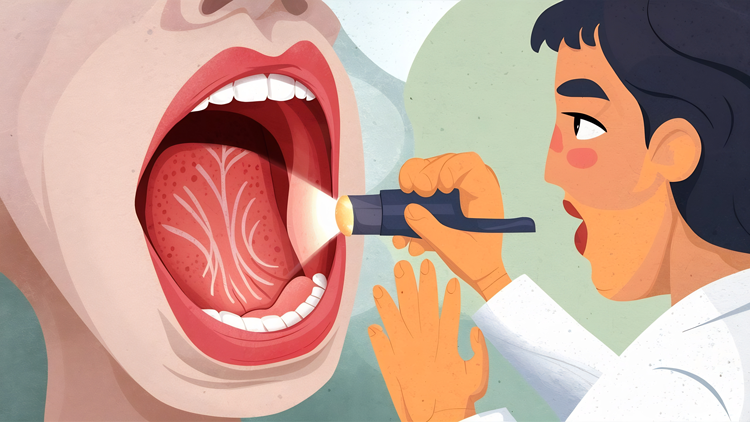
Oral cancer, once considered a largely preventable disease, is emerging as a significant health challenge in India—particularly among men. Despite growing awareness around cancer prevention and advances in treatment, the incidence of oral cancer continues to climb, raising concerns among healthcare experts and policymakers alike.
By Shinto Kallattu
India is witnessing a worrying increase in oral cancer cases among men, turning what was once a largely preventable disease into a major public health challenge. While medical advancements have improved outcomes for several cancers, oral cancer continues to surge—driven by lifestyle habits, late diagnosis, and deep-rooted cultural practices.
Tobacco Use Remains the Biggest Culprit
The primary force behind the rise is still tobacco in its many forms. Unlike many Western countries where smoking dominates, India faces a unique challenge with widespread use of smokeless tobacco products such as gutka, khaini, and paan. These are often perceived as less harmful, yet they expose the oral cavity directly to carcinogens for prolonged periods.
What makes the situation more concerning is how early these habits begin. In many parts of the country, tobacco chewing is introduced in adolescence and becomes a lifelong dependency. The social acceptance of these products—often tied to tradition, stress relief, or daily routines—makes quitting particularly difficult.
Alcohol and Areca Nut Add to the Risk
Tobacco is not acting alone. Alcohol consumption significantly increases cancer risk when combined with tobacco use. Additionally, areca nut (supari), commonly chewed across India, has been identified as a carcinogenic substance. The combined effect of these habits creates a high-risk environment for oral cancer development, particularly among men.
Late Detection Is a Critical Issue
One of the most alarming aspects of oral cancer in India is that it is frequently diagnosed at advanced stages. Early symptoms—such as mouth ulcers, red or white patches, or minor swelling—are often ignored or mistaken for harmless conditions. Limited awareness, stigma, and lack of routine screening contribute to delayed diagnosis.
By the time patients seek medical attention, the disease often requires aggressive treatment, including surgery, radiation, and chemotherapy. This not only reduces survival chances but also increases the financial and emotional burden on families.

Socioeconomic and Regional Disparities
The burden of oral cancer is not evenly distributed. Rural populations and lower-income groups are more vulnerable due to limited access to healthcare, lower awareness levels, and higher tobacco consumption. In many regions, healthcare infrastructure is still not equipped for early screening or timely intervention.
A Contrast with Other Cancer Trends
Interestingly, while oral cancer is rising among men, India has seen progress in reducing certain other cancers. For instance, improved screening programs and preventive strategies have contributed to a decline in cervical cancer cases. However, this progress highlights a gap—while some cancers are being addressed effectively, others like oral cancer are not receiving the same level of targeted intervention.
What Needs to Change
Addressing this growing crisis requires a multi-pronged approach:
- Stronger tobacco control policies with stricter enforcement, especially for smokeless products
- Mass awareness campaigns to educate people about early signs and risks
- Routine oral screening programs, particularly in high-risk communities
- Behavioral interventions to discourage early initiation of tobacco use
- Integration of primary healthcare systems to enable early detection
Healthcare experts emphasize that oral cancer is largely preventable and highly treatable if caught early. The challenge lies not in the lack of solutions, but in implementing them effectively across diverse and populous regions.
The Road Ahead
India stands at a critical juncture. Without urgent and sustained action, the rising trend of oral cancer in men could place an even greater strain on the healthcare system in the coming decades. Tackling this issue requires not just policy changes, but a shift in societal attitudes toward tobacco and preventive healthcare.
The message is clear: early awareness, timely screening, and lifestyle changes can significantly alter the course of this disease. The question is whether these measures can reach those who need them the most—before it is too late.