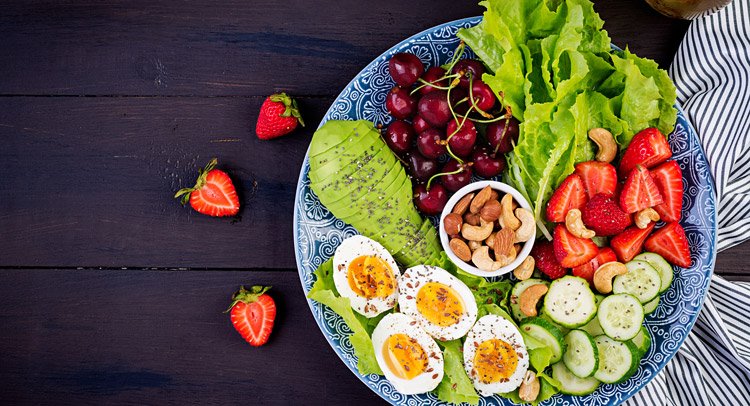
Nutrition is no longer viewed simply as a means of meeting daily calorie requirements. Increasing evidence shows that what we eat, how much we eat and the overall quality of our diet can significantly influence metabolic health, immunity, cardiovascular health, brain function and long-term disease risk.
By MTT Research Desk
The World Health Organization (WHO) describes a healthy diet around four fundamental principles: adequacy, balance, moderation and diversity. A healthy diet must also be safe and appropriate to an individual’s age, lifestyle, cultural preferences and health needs.
Moving Beyond Calories
Healthy eating is not simply about reducing calories or eliminating particular foods. It is about creating a dietary pattern that supplies essential nutrients while limiting excessive amounts of sugar, sodium and unhealthy fats.
Carbohydrates, proteins and fats all have important roles. The quality of these nutrients, however, matters. WHO recommends obtaining carbohydrates primarily from whole grains, vegetables, fruits and pulses, rather than relying heavily on refined carbohydrates and highly processed foods.
For adults and children over 10 years, WHO recommends consuming at least 400 grams of fruits and vegetables daily, along with at least 25 grams of naturally occurring dietary fibre. Fibre-rich foods such as whole grains, beans, lentils, vegetables, fruits, nuts and seeds can support digestive health and contribute to better overall diet quality.
Protein: Quality and Variety Matter
Protein is essential for maintaining muscles, supporting immune function, producing enzymes and hormones, and repairing tissues. Good sources include pulses, beans, lentils, dairy products, eggs, fish, poultry, nuts and seeds.
A balanced diet does not necessarily require large quantities of animal protein. WHO notes that, for many adults, increasing plant-based sources of protein—particularly when replacing red meat—may provide health benefits.
For vegetarians and vegans, combining a variety of plant foods throughout the diet can help provide a broad range of essential nutrients. Individual requirements may vary, particularly during pregnancy, older age or in the presence of certain medical conditions.
Choose Fats Wisely
Dietary fat is an important source of energy and helps the body absorb certain vitamins. However, the type of fat matters.
Unsaturated fats found in foods such as nuts, seeds, fish, avocado and several plant oils are generally preferable to saturated fats. WHO recommends keeping saturated fat below 10% of total energy intake and trans fat below 1%, with industrially produced trans fats best avoided.
Cooking methods can also make a difference. Steaming, boiling, grilling and baking can often reduce the need for excessive added fats compared with deep-frying.
Reduce Sugar, Salt and Highly Processed Foods
One of the major challenges to healthy eating is the increasing availability of highly processed foods. Many packaged snacks, sugary beverages, confectionery and ready-to-eat products can contain substantial amounts of free sugars, sodium and unhealthy fats.
This does not mean every processed food needs to be eliminated. The focus should be on frequency, portion size and overall dietary pattern. Reading nutrition labels can help consumers identify products with excessive amounts of added sugar, sodium or saturated fat.
WHO recommends limiting foods high in unhealthy fats, free sugars and sodium as part of a healthy dietary pattern.
Micronutrients: Small Quantities, Major Roles
Vitamins and minerals are required in relatively small amounts but are essential for normal growth, immunity, metabolism and other physiological functions.
Iron, calcium, iodine, zinc, vitamin A, vitamin D, folate and vitamin B12 are among the nutrients that require particular attention in different population groups. WHO reports that more than half of children under five and more than two-thirds of non-pregnant women of reproductive age globally are deficient in at least one key micronutrient.
A diverse diet containing vegetables, fruits, pulses, whole grains, nuts, seeds and appropriate animal-source foods can help improve micronutrient intake.
Healthy Eating Must Be Practical
A nutritious diet does not have to be expensive, complicated or based on imported “superfoods.” Local and seasonal foods can provide excellent nutritional value.
For Indian households, traditional foods such as dal, rajma, chana, millets, vegetables, fruits, curd, nuts and seeds can form part of a balanced dietary pattern. Portion sizes and cooking methods remain important, particularly when meals contain substantial amounts of added oil, salt or sugar.
The 2026 State of Food Security and Nutrition in the World report highlights another important dimension: the affordability of healthy diets. Despite modest improvements in global food security, billions of people continue to struggle to afford nutritious diets, making healthy eating both a personal and a broader food-system challenge.
From Diet Plans to Sustainable Habits
Extreme diets may produce short-term changes, but sustainable nutrition is generally built around consistent habits. Useful principles include:
- Make vegetables, fruits, pulses and whole grains regular parts of meals.
- Choose varied sources of protein.
- Prefer unsaturated fats and limit foods containing unhealthy fats.
- Reduce sugary drinks and foods high in free sugars.
- Moderate salt and high-sodium foods.
- Choose minimally processed foods more often.
- Pay attention to portion sizes.
- Stay adequately hydrated, primarily with water.
- Adapt food choices to age, activity level, culture and individual health needs.
For people with diabetes, kidney disease, cardiovascular conditions, food allergies or other medical requirements, dietary recommendations should be individualized with guidance from an appropriately qualified healthcare professional or dietitian.
The Bottom Line
Healthy eating is not about perfection. It is about dietary quality, variety, balance and consistency over time. As nutrition science increasingly emphasizes overall dietary patterns rather than individual “miracle foods,” the most effective approach is one that is nutritionally adequate, culturally appropriate, affordable and sustainable.
A healthier plate today can become an investment in better health for years to come.