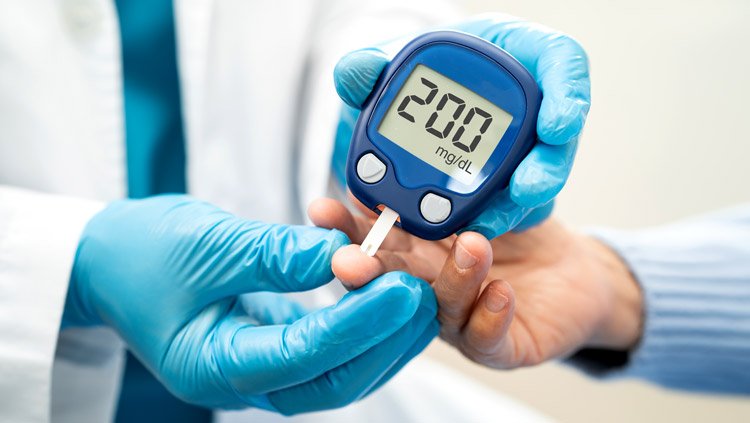
Doctors highlight why managing blood sugar before cancer treatment is essential, explaining how diabetes can affect surgical recovery, increase the risk of infections and make wound healing slower.
For patients diagnosed with cancer, surgery is often an important part of treatment. However, when a patient also has diabetes, surgical recovery may require additional attention. Poorly controlled blood sugar levels can increase the risk of post-surgical infections, delay wound healing and lead to complications that may prolong hospital stays. On the occasion of World Diabetes Day, doctors are highlighting the importance of blood sugar management before cancer treatment to help patients undergo surgery more safely and recover better.
Diabetes affects the body’s ability to regulate blood glucose and can interfere with its natural healing process.
Dr Amit Chakraborty, Head and Neck Cancer Surgeon, SSO Hospital Mumbai Said, “Persistently high blood sugar levels can affect blood circulation, weaken the body’s ability to fight infections and slow down tissue repair. Following cancer surgery, these factors may increase the chances of wound-related complications, including infection, delayed closure of surgical wounds and, in some cases, the need for additional medical intervention.”
Dr Amit further added, “Blood sugar control before cancer treatment is therefore an important part of surgical preparation. Patients are advised to undergo blood glucose testing, including HbA1c assessment, to understand how well their diabetes is controlled. Based on the results, doctors may adjust diabetes medications, insulin doses, dietary plans and monitoring schedules. Good glucose management before and after surgery can help reduce complications and support recovery. However, cancer treatment should not be unnecessarily delayed while attempting to achieve perfect blood sugar levels; decisions must be individualised by the treating team. Another important aspect is sharing complete medical information with the surgical team. Patients should inform their doctors about how long they have had diabetes, their recent blood sugar readings, HbA1c levels, medications, insulin use and any history of diabetes-related complications such as kidney disease, nerve damage, heart disease or poor wound healing. They should also disclose any previous surgical infections or allergies and inform doctors about other medications they are taking.”
Dr. Bhavik Saglani, Endocrinology, Apollo Spectra Mumbai Said, “Patients should never stop or change their diabetes medication or insulin dosage on their own before surgery. The treating team will provide instructions regarding medication adjustments, fasting and blood sugar monitoring around the time of the procedure. Watch for warning signs after surgery, including increasing redness, swelling, unusual discharge, fever, worsening pain or a wound that does not heal. Reporting these symptoms early can help prevent minor complications from becoming serious. Careful preparation, open communication with doctors and regular blood sugar monitoring can make a meaningful difference to surgical safety and recovery.”