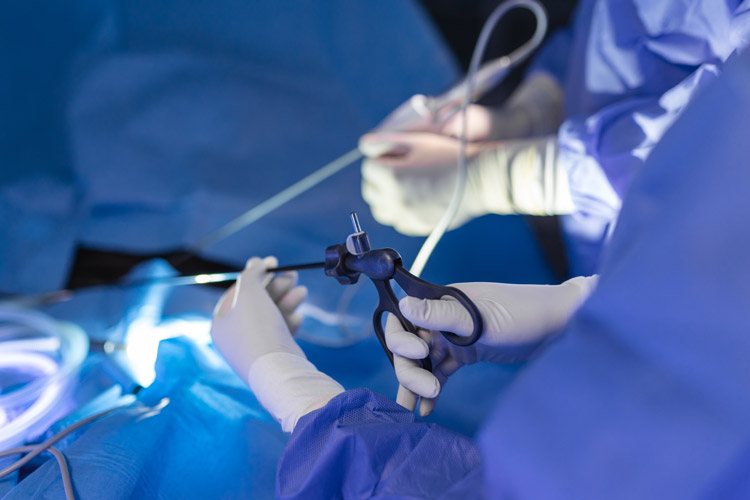
Fortis Memorial Research Institute (FMRI) in Gurugram has reported a significant achievement in pancreatic care, with its gastrointestinal (GI) surgical team successfully completing more than 200 laparoscopic procedures for patients diagnosed with chronic pancreatitis. The accomplishment represents one of the largest experiences with minimally invasive surgery for this condition in the country.
In recent years, minimally invasive techniques such as laparoscopic and robotic surgery have increasingly been used to manage complicated pancreatic diseases. Unlike traditional open operations, these advanced procedures involve smaller incisions and typically lead to reduced surgical trauma, lower levels of postoperative pain, quicker recovery, and shorter hospital stays for patients.
At FMRI Gurugram, these modern surgical approaches are being applied to treat patients suffering from chronic pancreatitis, particularly those experiencing pancreatic duct blockage or stones within the duct.
Chronic pancreatitis frequently affects individuals at a younger age and can have a long-term impact on their daily lives. Many patients struggle with ongoing abdominal pain, digestive problems, diabetes, and unintended weight loss. These symptoms can significantly affect their productivity and overall well-being during important stages of their personal and professional lives.
One patient, a 27-year-old man who had experienced repeated bouts of severe abdominal pain and required multiple hospital visits, was diagnosed with pancreatic duct stones along with dilation of the duct. The surgical team carried out a minimally invasive pancreatic drainage procedure that created an alternate pathway for pancreatic fluids to flow into the intestine. Following the surgery, the patient experienced considerable relief from pain and was discharged in stable condition after five days.
In another case, doctors treated an 11-year-old boy who arrived at the hospital with intense abdominal pain and jaundice. Investigations revealed chronic pancreatitis combined with obstruction of the bile duct. Surgeons performed a laparoscopic procedure that drained the pancreatic duct and simultaneously relieved the blockage in the bile duct, restoring the normal flow of digestive and biliary secretions. The child recovered well after the surgery.
Commenting on the surgical milestone, Dr. Amit Javed, Principal Director and Head of Laparoscopic GI, GI Oncology, Bariatric and MIS Surgery at FMRI Gurugram, said chronic pancreatitis can significantly impact patients due to persistent abdominal pain and digestive complications.
He noted that minimally invasive laparoscopic pancreatic drainage procedures help relieve ductal obstruction, remove pancreatic stones and restore pancreatic drainage. Compared with traditional open surgery, these procedures enable faster recovery, less postoperative discomfort and shorter hospital stays.
Dr. Javed added that FMRI Gurugram is among the few centres in India performing such complex laparoscopic pancreatic procedures, with the team successfully treating close to 200 patients using this technique.
Yash Rawat, Facility Director and Senior Vice President at Fortis Memorial Research Institute, said the successful management of these complex cases reflects the hospital’s growing expertise in advanced minimally invasive pancreatic surgery.
According to Rawat, by combining surgical precision with modern laparoscopic techniques, the hospital is expanding treatment options for patients with complex pancreatic disorders. Such advancements help reduce surgical trauma, accelerate recovery and improve long-term outcomes.
Most patients treated in this series underwent laparoscopic pancreatic duct drainage procedures. In this surgery, the blocked pancreatic duct is opened and connected to the intestine, allowing pancreatic juices to drain properly. This helps relieve pressure inside the duct and reduces the symptoms commonly associated with chronic pancreatitis.
As surgical technology continues to advance, minimally invasive techniques are expected to play an increasingly important role in the treatment of pancreatic diseases. Hospitals with specialised expertise in laparoscopic pancreatic surgery are helping expand access to safer and more effective treatment options for patients suffering from complex pancreatic conditions.