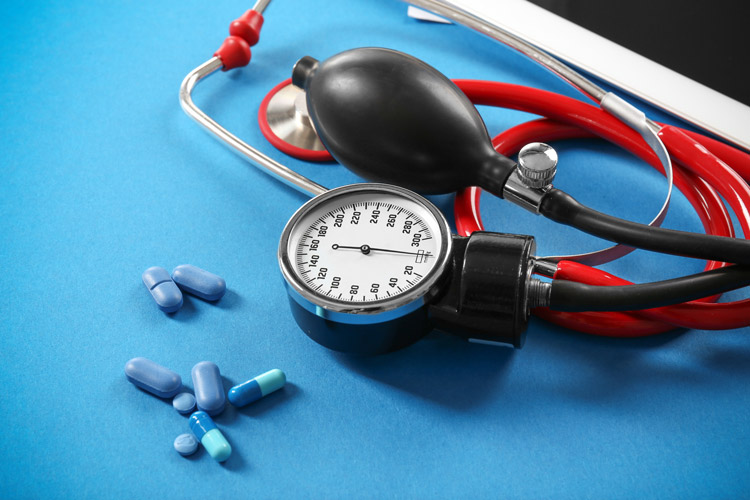
Many people who drastically reduce salt in their diets are surprised to find their blood pressure still running high. While the commonly accepted reading of 120/80 mmHg is often considered ideal, specialists note that this standard does not apply universally. A more flexible guideline suggests the systolic value—the top number—should be around 110 plus half a person’s age, while the diastolic value—the lower number—should remain below 100. Persistent readings above this range may signal underlying issues related to the liver or kidneys.
So why do blood pressure levels remain elevated even when sodium intake is controlled? According to functional medicine practitioners, insulin resistance is frequently the overlooked driver of stubborn hypertension—far more common than excessive salt consumption.
For years, high BP has been widely associated with sodium, leading people to adopt low-salt diets, follow eating plans like DASH, or rely on medication. Even after making these adjustments, many continue to battle elevated numbers. Growing research and clinical experience increasingly point toward metabolic dysfunction—particularly insulin resistance—as a primary contributor.
Insulin’s main role is to help the body move glucose into cells for energy. When cells stop responding properly, the body compensates by producing more insulin. Excess insulin can cause the body to retain sodium and water, increasing blood volume and placing greater pressure on arterial walls. Blood vessels can also become less flexible and more constricted, keeping blood pressure high even when salt intake is minimized. Inflammation within the arteries further adds to the strain.
While the traditional 120/80 benchmark remains suitable for many, current understanding supports a broader, more individualized range that takes age, risk factors, and metabolic health into account. Experts emphasize that consistently elevated values—despite a healthy diet and lifestyle—often indicate deeper metabolic imbalances rather than a simple issue of salt consumption.