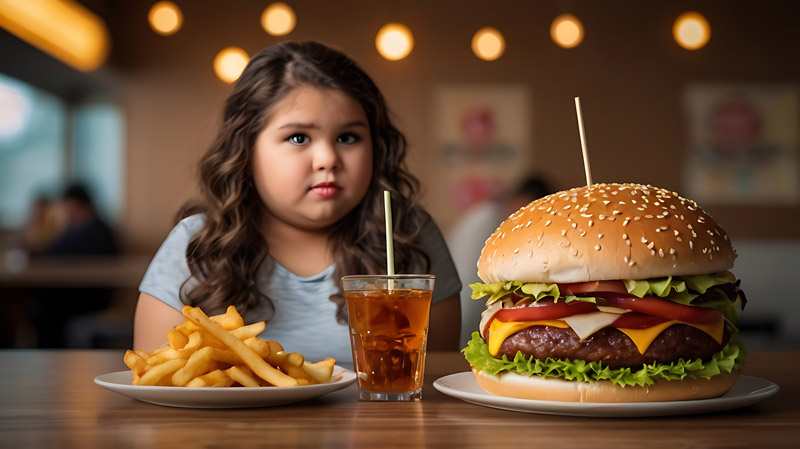
For a long time, diabetes was largely considered a condition that surfaced later in life, something people typically associated with middle age. That belief is rapidly being challenged in India, where hospitals and clinics are reporting a growing number of young children—some barely eight or nine years old—being diagnosed with obesity, prediabetes and even type 2 diabetes. What was once an exceptional occurrence in paediatric care is now becoming increasingly common.
This shift stems from gradual but powerful changes in lifestyle: easy access to calorie-heavy foods, reduced physical activity, longer screen hours, and a genetic pattern that makes Indian children particularly vulnerable. Together, these factors have created what specialists now refer to as a growing “diabesity” crisis.
The rise in childhood obesity is not simply about weight gain; it reflects the combined influence of diet, environment, behaviour and genetic predisposition. Over the past decade, children across India have slipped into a lifestyle marked by minimal physical movement, high consumption of ultra-processed foods and disrupted daily routines.
One major factor is the modern diet. Children today are surrounded by packaged snacks, sugary drinks, fast food and instant meals—options that are affordable, convenient and aggressively marketed. These foods are extremely calorie dense, making it easy for children to consume far more energy than they use. As a result, traditional home-cooked meals are losing ground to items high in sugar, salt and unhealthy fats, which directly contribute to insulin resistance.
Another major contributor is screen time. With online classes, gaming, and constant exposure to digital entertainment, many children now spend more hours looking at screens than playing outdoors. This reduced activity leads to slower metabolism, late sleep patterns and increased cravings, all of which fuel weight gain and raise diabetes risk.
Sleep deficiency has also become increasingly common. Children need adequate, consistent sleep for healthy metabolism, but late-night study routines, entertainment and poor schedules disrupt hormonal balance, elevating the chances of abdominal weight gain and early insulin resistance.
Genetics further complicate the picture. Indian children naturally tend to store fat around the midsection, develop insulin resistance sooner and gain weight even with fewer calories compared to many of their Western counterparts. This means even slight weight gain can push them toward prediabetes.
Stress plays a role as well. Academic pressure, limited parent–child interaction and emotional strain often drive children to seek comfort in high-sugar or high-salt snacks, reinforcing an unhealthy cycle of emotional eating.
Doctors are now reporting children who were once simply considered “chubby” presenting with high blood sugar, early insulin resistance, fatty liver, poor activity levels and abnormal cholesterol. Changes that once took decades to develop in adults are now appearing within just a few years in young children. Even more concerning, type 2 diabetes that begins in childhood tends to progress more aggressively, sometimes causing earlier complications involving the eyes, kidneys and heart.
Parents should stay alert for warning signs such as persistent fatigue, excessive hunger or thirst, abdominal weight gain, darkened patches of skin around the neck or armpits, irritability and reduced interest in outdoor play. Early recognition can significantly improve outcomes.
Families can help reverse this trend by making simple but consistent changes. Encouraging at least an hour of outdoor activity daily, limiting processed foods, removing sugary drinks from the home, maintaining early and regular sleep schedules and ensuring routine medical check-ups can make a substantial difference. Tracking blood sugar, cholesterol levels and BMI can help detect problems early, when they are much easier to manage.
Childhood obesity and early diabetes are not just medical issues; they reflect how modern routines are reshaping childhood itself. The encouraging news is that, when caught early, these conditions are largely reversible. With balanced habits, nutritious diets, active living and timely medical support, children can return to healthy growth.
India now stands at a crucial crossroads. The choices families make today—healthier meals, consistent routines and active lifestyles—will determine the wellbeing of the next generation.