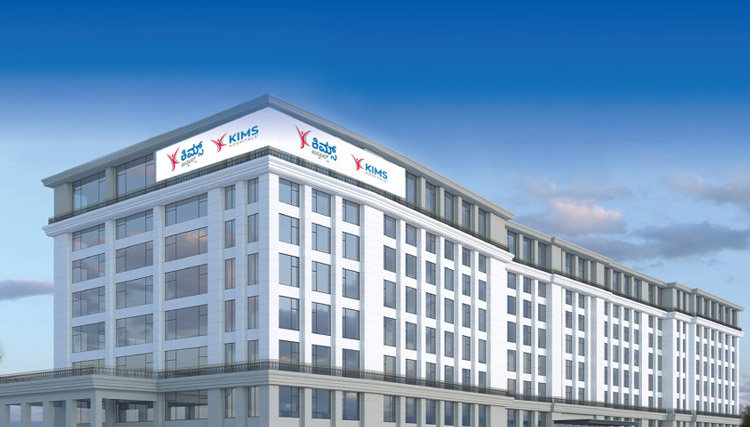
KIMS Hospitals has announced the launch of Adaptive Deep Brain Stimulation (aDBS), making it the first hospital in India to offer this next-generation neurotechnology. The system represents the country’s first complete sensing-enabled closed-loop solution designed specifically for individuals living with Parkinson’s disease.
The newly introduced adaptive DBS system builds upon the earlier Percept platform and integrates BrainSense technology, which enables the device to monitor brain activity. By combining stimulation with real-time brain sensing, the platform delivers a more tailored neuromodulation therapy experience for patients.
Deep Brain Stimulation (DBS) has long been used to manage Parkinson’s symptoms such as tremors, muscle stiffness, and slowed movements. Traditional DBS systems provided continuous electrical stimulation at fixed settings. In contrast, adaptive DBS—also referred to as closed-loop DBS—can automatically modify stimulation levels in response to changes in the patient’s brain signals. It detects local field potentials, particularly beta-frequency oscillations, and adjusts therapy dynamically.
Because the system continuously monitors brain activity, it can increase or reduce stimulation without requiring frequent manual changes by patients or physicians. While the device makes automatic adjustments, specialist doctors still determine and program the appropriate stimulation thresholds and parameters.
The technology was initially cleared by regulators in the United States and has since been introduced in select global centres, including Japan. Regulatory approval in India was granted earlier this year, and Kims Hospitals in Bengaluru is among the first institutions in the country to implement the system.
Dr. Guruprasad Hosurkar, Director & Lead Consultant in Neurology and Head of the Parkinson’s Disease and Movement Disorder Programme at Kims Hospitals, highlighted several benefits of adaptive DBS. According to him, the technology greatly reduces the need for patients to manually modify device settings, as it automatically responds to fluctuations in symptoms. He also noted that research indicates overall stimulation delivery may drop by nearly 50 per cent, potentially extending battery longevity and lowering the long-term costs associated with battery replacement. Additionally, reduced exposure to excessive stimulation over extended periods may help minimise stimulation-related side effects affecting brain tissue around the implant.
Dr. Raghuram Gopalakrishnan, Director & Senior Consultant and Head of Stereotactic and Functional Neurosurgery, explained the hospital’s rollout plan. “In the first phase, we will upgrade select existing DBS patients to the adaptive platform through a software update and advanced programming interface. The hospital plans to implement the new technology for four to five eligible patients in early March. He also explained that, AI in medicine has been a significant boost in advancing patient care when used appropriately, and Adaptive DBS is an example of that, where the AI algorithm analyses the waveforms from the neurons and adjusts stimulation parameters accordingly.”
Dr. Nitish Shetty, Managing Director, Kims Hospitals (Krishna Institute of Medical Sciences), Bengaluru, emphasised the broader significance of the launch. “The introduction of adaptive closed-loop DBS marks a transformative step in how we deliver personalised neurological care at Kims. By launching this advanced technology in India, we remain committed to developing worldwide standard innovations that will directly impact patient outcomes and enhance quality of life.”
The introduction of Adaptive Deep Brain Stimulation at Kims Hospitals marks a significant advancement in Parkinson’s treatment in India. By combining real-time brain sensing with automated stimulation adjustments, the technology promises more precise therapy, improved patient comfort, and better long-term outcomes.
(Photo courtesy: www.kimshospitals.com)