A new study suggests that many ultraprocessed foods may share key characteristics with tobacco products—particularly in how they are formulated and marketed to drive repeated use.
Scholars from the University of Michigan, Harvard University, and Duke University argue that items such as packaged snack foods, sugary drinks, ready-made meals, and a wide range of fast-food offerings go beyond being simple “junk food” or poor dietary choices. According to the researchers, these products are often carefully engineered to maximize appeal and repeat consumption—using techniques reminiscent of those historically employed to market cigarettes.
The findings, published in the latest issue of The Milbank Quarterly, integrate insights from addiction science, nutritional studies, and the regulatory history of tobacco. The analysis highlights notable parallels between tobacco products and ultraprocessed foods. Both, the researchers contend, are intentionally designed to stimulate the brain’s reward systems, foster habitual consumption, and influence public perception in ways that safeguard industry profits.
Lead author Ashley Gearhardt, a professor of clinical psychology at the University of Michigan and a specialist with the university’s Institute for Healthcare Policy and Innovation, emphasizes that the powerful pull of certain snack foods may not be coincidental. “It’s about understanding how products are engineered—and who benefits when ‘just one more bite’ turns into a habit,” Gearhardt says.
The authors argue that this shift in perspective is particularly important for young adults, who are navigating food environments saturated with inexpensive, highly palatable products that are constantly accessible. For years, public health campaigns have largely centered on personal responsibility—encouraging individuals to make healthier decisions, exercise restraint, and strengthen willpower.
However, the new analysis calls for a broader lens. Rather than focusing exclusively on individual choice, the researchers recommend examining the wider systems that determine which foods dominate store shelves, how pricing structures work, and what products receive the most aggressive marketing. They draw a comparison to tobacco control efforts, which eventually evolved from blaming smokers to holding corporations accountable. A similar transformation in food policy, they suggest, may be necessary.
Gearhardt clarifies that the comparison does not imply eating is equivalent to smoking. Instead, the point is that some widely consumed modern foods may be intentionally created in ways that make moderation especially challenging.
For a generation raised amid eye-catching packaging, drive-thru culture, and round-the-clock delivery services, the issue extends beyond diet fads or individual discipline. The researchers hope their work encourages meaningful dialogue—particularly among young adults who will influence the future of food norms, health policy, and consumer standards.
Ultimately, the study urges a rethink of how society approaches diet-related health challenges. If certain ultraprocessed foods are deliberately designed to drive craving and habitual consumption, then the responsibility for change may extend beyond individual willpower. By shifting attention toward product formulation, marketing practices, and regulatory frameworks, the researchers suggest that meaningful progress in public health will require not only informed consumers—but also greater accountability from the systems shaping today’s food environment.
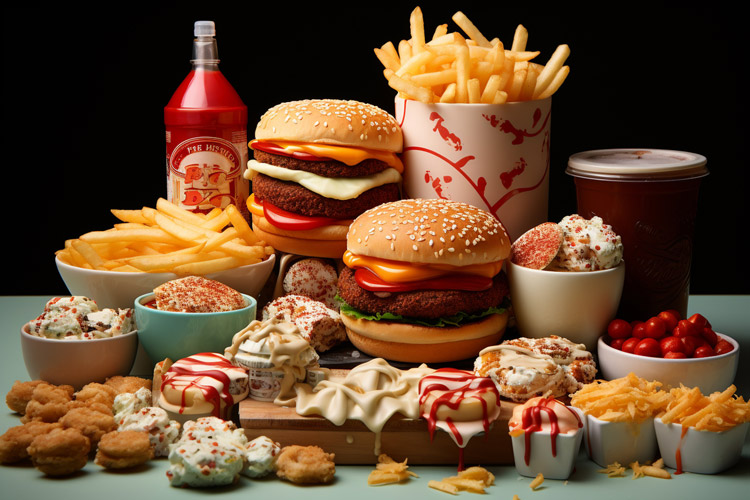
(The above image is for illustrative purposes only)