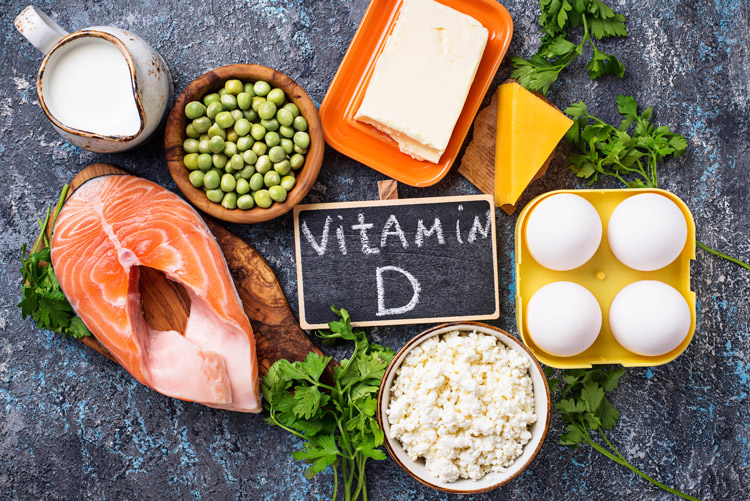
Vitamin D is essential for strong bones, improved immunity, healthy muscles, and overall wellness. Modern lifestyles, long hours indoors, and unhealthy eating habits have contributed to rising vitamin D deficiency worldwide. Fortunately, certain natural lifestyle changes can help improve vitamin D levels without relying entirely on supplements.
By Fiyona Scaria, MTT Editorial Desk
—————————————-
Let Your Body Absorb More Natural Sunlight
One of the simplest ways to increase vitamin D is through regular exposure to sunlight. Spending a short amount of time outdoors in the morning allows the skin to naturally produce vitamin D. Consistent sunlight exposure can support bone health, immunity, and energy levels.
Add Nutrient-Packed Foods to Your Diet
Certain foods naturally contain vitamin D and can help improve intake over time. Fatty fish, egg yolks, fortified dairy products, and mushrooms are some commonly recommended options. Including a variety of nutrient-rich foods in everyday meals may help maintain healthier vitamin D levels.
Choose Outdoor Activities Over Indoor Routines
Physical activity performed outdoors offers multiple health benefits. Walking, jogging, cycling, or yoga in open spaces not only improves fitness but also increases exposure to natural sunlight. This combination may help the body produce vitamin D more effectively.
Focus on Weight Management and Balanced Living
Maintaining a healthy body weight can positively influence how the body stores and uses vitamin D. Excess body fat may interfere with vitamin D absorption, making healthy eating and regular exercise important for long-term wellness.
Support Digestion for Better Nutrient Absorption
A healthy digestive system helps the body absorb essential nutrients more efficiently. Drinking enough water, eating fiber-rich foods, and reducing processed foods may improve overall nutrient absorption, including vitamin D utilization.
Improving vitamin D levels naturally often starts with simple lifestyle choices. Daily sunlight exposure, nutritious eating habits, outdoor exercise, and overall wellness practices can collectively support healthier vitamin D levels. These small but consistent changes may contribute to stronger immunity, healthier bones, and improved overall well-being.