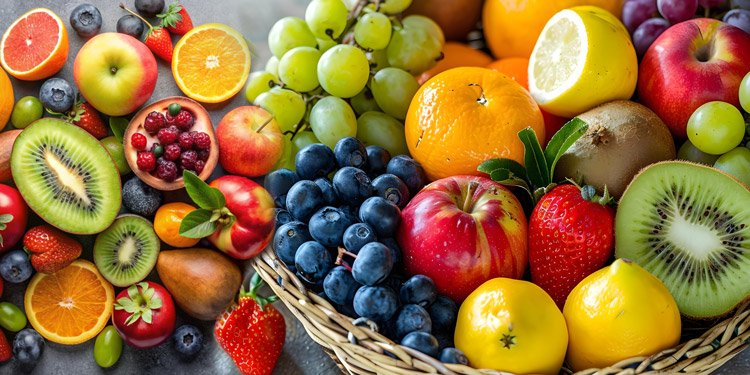
The liver is one of the hardest-working organs in the human body. It processes nutrients, filters harmful substances from the bloodstream, stores energy, and helps regulate metabolism. However, unhealthy eating habits, obesity, excessive alcohol intake, and a sedentary lifestyle can lead to fat accumulation in the liver, increasing the risk of fatty liver disease.
Although there is no single food that can cure fatty liver, making smart dietary choices can support liver function and improve overall health. Fruits rich in antioxidants, vitamins, fiber, and beneficial plant compounds may help reduce inflammation, combat oxidative stress, and promote healthier liver function. Here are seven fruits that deserve a place in a liver-friendly diet.
Avocado
Avocado stands out for its healthy monounsaturated fats, which may help reduce fat buildup in the liver while supporting heart health. It also contains glutathione, a naturally occurring antioxidant that helps protect liver cells from oxidative damage. Its nutrient-rich profile makes avocado an excellent addition to a balanced diet for people looking to improve liver health.
Berries
Blueberries, strawberries, and raspberries are among the richest natural sources of antioxidants, especially anthocyanins. These compounds help protect liver cells from inflammation and oxidative damage while supporting healthy fat metabolism. Berries also nourish beneficial gut bacteria, indirectly contributing to better liver function. If fresh berries are unavailable, antioxidant-rich seasonal fruits such as pomegranate or jamun can be good alternatives.
Citrus Fruits
Oranges, lemons, sweet lime, and grapefruit provide generous amounts of vitamin C and other protective plant compounds. These nutrients help strengthen the body’s natural defense system and support the liver’s detoxification processes. Grapefruit has also been associated with improved insulin sensitivity, an important factor for people managing non-alcoholic fatty liver disease.
Kiwi
Despite being low in calories, kiwi is packed with vitamin C, vitamin E, and dietary fiber. These nutrients support healthy digestion, aid weight management, and help protect liver cells from oxidative stress. Including kiwi as part of a varied diet can contribute to overall metabolic health.
Apples
Apples are an excellent source of soluble fiber, particularly pectin, which supports digestive health and helps eliminate waste products from the body. Better digestive function can reduce the workload on the liver while promoting healthier metabolism. Eating whole apples regularly also contributes to daily fiber intake, an important part of a liver-friendly eating plan.
Grapes
Red and purple grapes contain resveratrol, a natural polyphenol known for its antioxidant and anti-inflammatory properties. Research suggests that resveratrol may help reduce liver inflammation, protect liver tissue, and slow the progression of fatty liver disease when combined with healthy lifestyle habits.
Papaya
Papaya is widely available throughout the year and offers a combination of beta-carotene, vitamins C and E, and digestive enzymes. Papain, the enzyme naturally found in papaya, supports digestion and may help reduce bloating. The fruit’s antioxidant content also helps protect cells from oxidative stress. Individuals with diabetes can enjoy papaya in moderation by choosing less ripe fruit, which generally contains lower natural sugar levels.
How Fruits Benefit the Liver
Each of these fruits contributes unique nutrients, but together they offer several advantages for liver health. A diet that regularly includes these fruits may help:
- Support the body’s natural detoxification process.
- Reduce inflammation and oxidative stress.
- Improve digestive health.
- Promote healthier fat metabolism.
- Help limit excess fat accumulation in the liver.
- Support healthy weight management.
While fruits can play an important role, they work best as part of an overall healthy lifestyle rather than as a standalone solution.
Lifestyle Habits That Protect the Liver
Good nutrition is only one aspect of liver care. To maintain a healthy liver:
- Limit or avoid alcohol consumption.
- Reduce processed foods, sugary beverages, and deep-fried meals.
- Stay physically active with regular exercise.
- Maintain a healthy body weight.
- Drink adequate water throughout the day.
Seek medical advice if you experience ongoing digestive discomfort or symptoms that may indicate liver disease.
Final Thoughts
Fatty liver disease is becoming increasingly common, but early lifestyle changes can make a meaningful difference. Incorporating nutrient-rich fruits such as avocado, berries, citrus fruits, kiwi, apples, grapes, and papaya into a balanced diet may help support liver function and protect against further damage. While these fruits are not a substitute for medical treatment, they can be valuable components of a long-term strategy for maintaining liver health. Pairing healthy eating with regular exercise, weight management, and routine medical check-ups offers the best approach to keeping your liver functioning at its best.