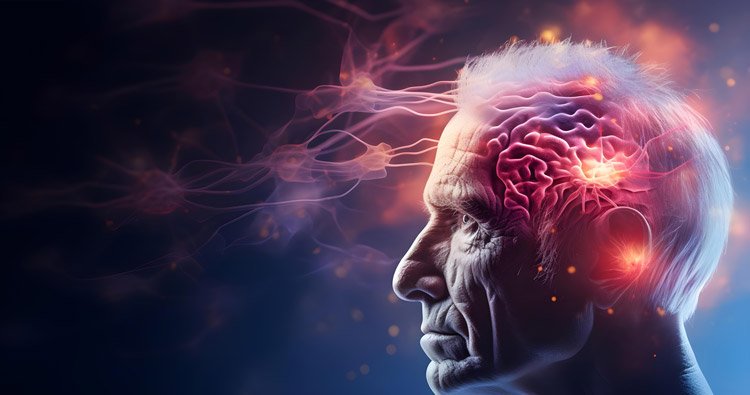
On World Alzheimer’s Day, Dr. Madhuri A.N.S, Consultant, Neurology, Dr Mehta’s Hospitals explains why forgetfulness can have several causes and why early evaluation matters
Forgetting a recent conversation, struggling to recall what happened earlier in the day, missing an appointment or occasionally struggling to recall a name can happen to anyone. But when these lapses become frequent and begin interfering with everyday life, they should not simply be dismissed as a normal part of ageing.
Importantly, not all memory loss is Alzheimer’s disease.
According to Dr. Madhuri A. N. S, memory problems can arise from several underlying conditions, some of which may be treatable. Vitamin B12 deficiency, hypothyroidism and certain autoimmune disorders, among other conditions, can affect memory and cognitive function. This makes it important to identify the underlying cause rather than assuming that every instance of memory loss is Alzheimer’s disease.
Alzheimer’s is not the only form of dementia
Dementia is a broad term used to describe a decline in memory, thinking, reasoning or other cognitive abilities that begins to interfere with daily life. Alzheimer’s disease is one of the most common causes of dementia, but there are several other forms. One such condition is frontotemporal dementia, which can initially present differently from typical Alzheimer’s disease. Changes in behaviour, personality, judgement or language may be more prominent, and the condition can progress relatively quickly in some patients.
This distinction is particularly important when it comes to treatment. Not every dementia is Alzheimer’s disease, and the routine treatment used for Alzheimer’s may not be appropriate for other types of dementia and, in some cases, may even be harmful. A neurological evaluation and accurate diagnosis are therefore essential before starting treatment.
When does forgetfulness become a concern?
The occasional lapse in memory or forgotten name is usually not enough to indicate dementia. The concern arises when memory problems become persistent, progressive and disruptive to routine activities.
Early warning signs can include forgetting recent events or conversations, repeatedly misplacing personal belongings such as keys or a mobile phone, forgetting appointments or having difficulty remembering and taking regular medications correctly.
Changes in familiar household activities can also be significant. A person may forget steps involved in cooking, such as adding salt to food, repeatedly leave the gas switched on or forget routine tasks they previously managed without difficulty.
As cognitive impairment progresses, more complex activities such as handling money, managing finances or making everyday decisions may become challenging.
When such changes are noticed by the individual or their family, seeking medical evaluation early can help determine whether the symptoms are due to dementia, another neurological condition or a potentially treatable cause.
Is Alzheimer’s disease a fatal condition?
An Alzheimer’s diagnosis does not mean that a person’s quality of life immediately comes to an end. Alzheimer’s is a progressive condition, and its course varies considerably between individuals. With early diagnosis, appropriate treatment, regular medical follow-up and adequate support, patients can continue to maintain their daily functioning and quality of life for several years.
Early diagnosis also allows families to understand the condition, plan ahead and address other health issues that could influence cognitive health.
Building better brain health from an early age
There is no guaranteed way to prevent Alzheimer’s disease. However, maintaining an active lifestyle and taking care of overall health can support long-term brain health. Keeping the brain engaged through activities such as learning a new skill, playing a musical instrument, gardening, reading or taking up a new hobby can provide regular mental stimulation.
Physical activity is equally important. Activities such as walking, cycling, running or exercising at a gym can support cardiovascular and brain health. For many adults, 30 to 40 minutes of physical activity a day, around five days a week, can be a practical goal, depending on individual health and fitness levels.
Nutrition also contributes to overall health. Nuts, green leafy vegetables and berries can form part of a balanced diet, while dark chocolate with a high cocoa content can be consumed in moderation. Rather than depending on a single food to improve memory, maintaining an overall balanced diet and managing conditions such as diabetes, high blood pressure and high cholesterol are important for long-term health.
The message this World Alzheimer’s Day
Memory loss deserves attention, but it does not automatically mean Alzheimer’s disease, and not every dementia is Alzheimer’s disease.
Persistent or progressively worsening forgetfulness, especially when it begins affecting everyday activities, should be evaluated by a neurologist.Identifying the type and cause of cognitive decline early can help uncover treatable conditions, establish the right diagnosis and ensure that patients receive the appropriate treatment.
This World Alzheimer’s Day, the message is simple: don’t dismiss persistent memory changes as ageing, and don’t assume every case is Alzheimer’s disease. Understanding the cause and identifying the type of dementia, when present, are the first steps towards the right care and treatment.

Dr. Madhuri A. N. S is a Consultant Neurologist at Dr. Mehta’s Hospitals, Chetpet, Chennai, with 12 years of experience in diagnosing and managing a wide range of neurological conditions. She specializes in stroke management, headaches and migraine, epilepsy, peripheral neuropathy, autoimmune encephalitis, brain infections, Parkinson’s disease, dementia, and cognitive disorders. Dr. Madhuri A. N. S provides evidence-based neurological care for conditions affecting the brain, spinal cord, and nervous system, with a focus on accurate diagnosis and personalized treatment. She is also proficient in Tamil, Telugu, English, Hindi, Bengali, and Odia, enabling her to communicate with patients from diverse linguistic backgrounds.