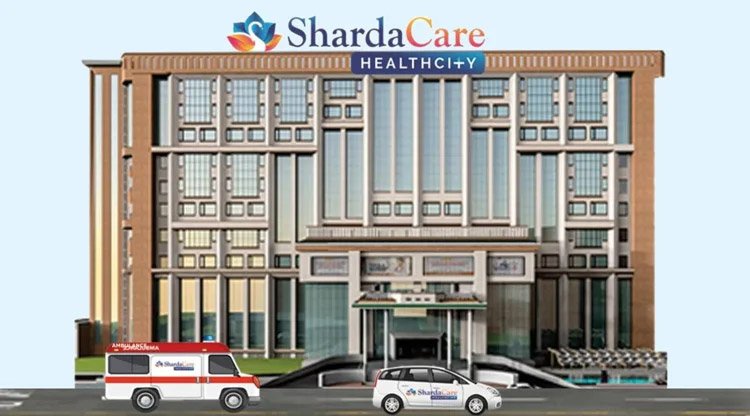
ShardaCare – Healthcity has highlighted the importance of early genetic screening, counselling and public awareness in preventing severe forms of thalassemia. The healthcare institution stressed that identifying genetic risks and providing timely guidance can help families make informed decisions and reduce the long-term impact of the inherited blood disorder.
The message was shared at a thalassemia awareness programme organised by ShardaCare – Healthcity and Sharda University, in collaboration with Sharda Hospital, Rotary Club of Delhi Safdarjung and Create Lasting Impact. Held under the theme “The First Step to Eradication”, the event brought together medical specialists, healthcare professionals, community representatives and families to discuss prevention, diagnosis, treatment and the challenges of living with thalassemia.
Early Detection at the Centre of Prevention
Dr Pawan Kumar Singh, Vice Chairman – Hematology & Bone Marrow Transplant at ShardaCare – Healthcity, moderated a panel discussion on the need to identify genetic risks before severe thalassemia can be passed on to the next generation.
“Thalassemia prevention requires a proactive approach that begins with awareness, screening and genetic counselling,” Dr Singh said.
He noted that advances in medical care have improved disease management, but early identification of genetic risks and informed decision-making remain essential to reducing the incidence of severe thalassemia.
Prof. Dr Sibaram Khara, Vice Chancellor of Sharda University, attended the programme as Chief Guest. Other participants included experts and representatives from AIIMS New Delhi, FMRI Gurugram, Marengo Asia Hospital Gurgaon and Rotary Club of Delhi Safdarjung.
Medical Insights and Family Experiences
Dr Rahul Bhargava, Principal Director & Chief, Hematology & BMT at FMRI Gurugram, delivered a session titled “Understanding Thalassemia”. He discussed the genetic basis of the disorder, its medical implications and the importance of preventive strategies.
Ms Shobha Tuli shared the family perspective through her presentation, “Thalassemia – A Journey Through a Parent’s Eye”. Her session highlighted the emotional, social and practical difficulties experienced by families, reinforcing the need for dependable medical advice, emotional support and greater public understanding.
Thalassemia is an inherited blood disorder that affects the body’s ability to produce sufficient haemoglobin, the protein responsible for carrying oxygen in the blood. Severe cases may require frequent blood transfusions, regular medical monitoring and lifelong treatment, creating considerable challenges for patients and their families.
Screening and Counselling Can Make a Difference
Carrier screening and genetic counselling are important tools for assessing the risk of passing thalassemia to children. With guidance from qualified healthcare professionals, individuals and couples can better understand their genetic status and explore reproductive options.
Building a Prevention-Focused Healthcare System
Through the awareness initiative, ShardaCare – Healthcity reaffirmed the need for coordinated action involving hospitals, medical experts, communities and families. Greater awareness, accessible screening and timely counselling can help strengthen prevention efforts and improve support for those affected by the condition.
Preventing severe thalassemia requires sustained public awareness and early action. By making screening and genetic counselling more accessible, healthcare institutions can help families make informed choices and contribute to reducing the burden of this inherited disorder.
(Photo courtesy: facebook/shardacarehealthcity)