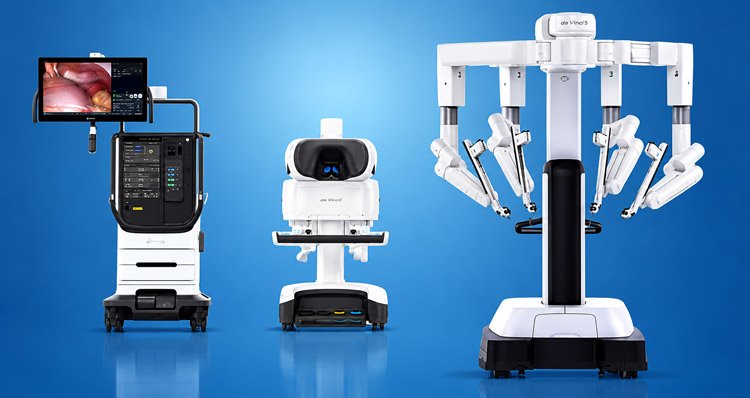
22 October 2026: Max Healthcare has introduced the da Vinci 5, one of the most advanced and integrated robotic surgical systems, at Max Super Speciality Hospital, Saket, New Delhi, and Nanavati Max Super Speciality Hospital, Mumbai. The development marks another step in the adoption of next-generation robotic technology in India’s healthcare sector.
The healthcare provider highlighted the importance of combining technological innovation with clinical expertise, team preparedness and a continued focus on patient care while announcing the introduction of the system.
Developed by Intuitive, the da Vinci 5 platform incorporates several advanced features, including Force Feedback Technology, enhanced three-dimensional visualisation and increased computing capabilities. These technologies are designed to support surgeons during procedures by providing additional feedback, improved visualisation and advanced tools in the operating room.
Technology designed to support surgical teams
One of the system’s key features is Force Feedback Technology, which provides information about the forces applied when surgical instruments interact with tissue. This can help surgeons better understand instrument-tissue interaction during procedures.
The platform’s advanced 3D visualisation is designed to provide a detailed view of the surgical field, while its computing capabilities support the system’s broader technological functions. Together, these features are intended to enhance the tools available to surgical teams as they perform complex procedures.
The introduction of the da Vinci 5 also highlights the importance of preparing clinical teams to work with new technology. Effective implementation of robotic-assisted surgery requires appropriate training, surgical expertise and careful selection of patients who may benefit from the approach.
Focus on patient care and clinical outcomes
Robotic-assisted surgery is used across several medical specialties, including urology, gynaecology and general surgery. Depending on the procedure and the patient’s condition, minimally invasive surgical approaches may offer benefits such as smaller incisions and shorter hospital stays. Actual outcomes vary, and the technology does not replace the surgeon’s expertise or clinical judgement.
Max Healthcare has emphasised that technological progress must be accompanied by clinical preparedness and a commitment to improving patient care. The introduction of the da Vinci 5 reflects this approach, with the system intended to strengthen the capabilities available to surgeons.
The broader impact of the technology will depend on its integration into clinical practice, the experience of surgical teams and the outcomes achieved for patients.
As healthcare providers continue to adopt advanced robotic platforms, the combination of modern equipment, trained professionals and evidence-based clinical practice will remain central to delivering high-quality surgical care.
(Photo courtesy: facebook/MaxHospitalsIndia)