By Dr. Varsha Agarwal, Consultant – Fertility & IVF Specialist, Motherhood Fertility & IVF, Noida
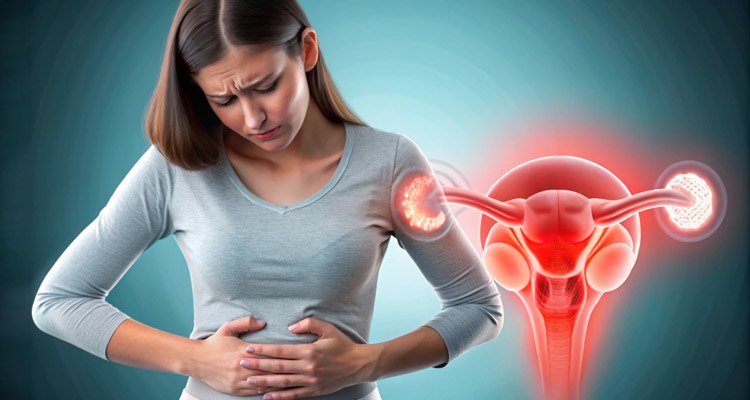
Polycystic ovary syndrome (PCOS/PMOS) is a common hormonal condition that affects women, particularly during the reproductive years. It can interfere with the normal process of ovulation and is associated with higher levels or effects of male hormones called androgens. PCOS/PMOS can present differently in different women. Some may mainly experience irregular periods, while others may have acne, excess facial or body hair, hair thinning, weight-related concerns or difficulty conceiving. This variation is one reason why treatment needs to be individualised. There is no single cause of PCOS/PMOS. It is considered a complex condition involving genetic, hormonal and metabolic factors. Insulin resistance is an important feature in many women with PCOS/PMOS and can contribute to hormonal imbalance and problems with ovulation. Family history and individual hormonal and metabolic factors may also contribute to the development of the condition.
What are the symptoms of PCOS/PMOS?
• Irregular, infrequent or absent periods
• Difficulty with regular ovulation
• Acne or oily skin
• Excess facial or body hair
• Thinning of scalp hair
• Weight gain or difficulty managing weight in some women
• Difficulty conceiving
• Changes in blood sugar or other metabolic health markers
What complications can PCOS/PMOS cause?
The effects of PCOS/PMOS can extend beyond the reproductive system. Women with PCOS/PMOS have a higher risk of metabolic problems such as insulin resistance, impaired glucose regulation and type 2 diabetes. Blood pressure and cardiovascular risk factors may also need to be monitored. PCOS/PMOS has also been associated with sleep problems, including obstructive sleep apnoea, particularly in women with certain risk factors. Anxiety, depression, body-image concerns and reduced quality of life are also important aspects of PCOS/PMOS care and should not be overlooked. Irregular or absent periods over a prolonged period can also affect the lining of the uterus. Although the absolute risk of endometrial cancer remains low, appropriate management of prolonged menstrual irregularity is important.
PCOS/PMOS and fertility: What is the connection?
PCOS/PMOS is one of the common causes of ovulation problems. When ovulation does not occur regularly, it can become more difficult to predict the fertile window and conceive naturally.However, having PCOS/PMOS does not mean that a woman cannot become pregnant. Many women with PCOS/PMOS conceive naturally, while others may need medical support to help them ovulate.
It is also important not to assume that every fertility problem in a woman with PCOS/PMOS is caused by PCOS/PMOS alone. Age, sperm health, fallopian tube problems and other reproductive factors can also affect the chances of pregnancy. Therefore, a complete fertility assessment is important when a couple is having difficulty conceiving.
For women with PCOS/PMOS who have infertility because of irregular ovulation and no other infertility factors, treatment can be very effective. Current international guidelines recommend letrozole as the first-line medication for ovulation induction in this situation. Other fertility treatments may be considered depending on the individual woman’s circumstances and response to treatment.
Why should PCOS/PMOS treatment go beyond fertility?
One of the biggest misconceptions about PCOS/PMOS is that treatment is necessary only when a woman wants to become pregnant. A woman who is not planning pregnancy may still need treatment for irregular periods, acne, excess hair or other hormonal symptoms. She may also need monitoring of blood sugar, blood pressure and other metabolic risk factors. Lifestyle management is an important part of PCOS/PMOS care. Regular physical activity, a balanced and sustainable diet, adequate sleep and prevention of excess weight gain can support overall health. Importantly, there is no single diet or exercise programme that is considered the best for every woman with PCOS/PMOS. The approach should be practical, sustainable and suited to the individual. Medications may also be used depending on the woman’s symptoms and health goals. Hormonal contraceptives can help manage irregular periods and symptoms related to excess androgens in appropriate women, while metformin may have a role, particularly when metabolic problems are present. Treatment should always be selected after medical evaluation rather than based on a one-size-fits-all approach. For women planning pregnancy, treatment may shift towards optimising preconception health and improving ovulation. Blood pressure, blood sugar, nutrition, physical activity, sleep and mental health should also be addressed before conception.
Early diagnosis, regular monitoring, healthy lifestyle habits and personalised treatment can help women manage symptoms and reduce potential health risks over time.