By Dr. Pooja Chaudhary, Consultant -Obstetrics, Gynecology, and Laparoscopic Surgery, Motherhood Hospitals, Greater Noida

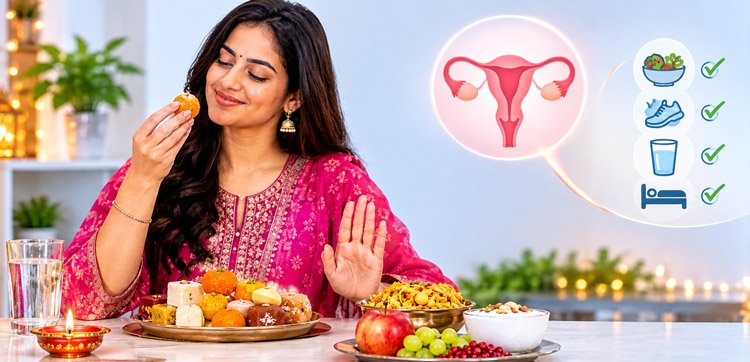
Diwali celebrations often mean sweets, fried snacks, late-night meals and changes in daily routines. For women living with Polycystic Ovary Syndrome (PCOS), mindful festive eating can help manage blood sugar levels, insulin resistance and hormonal health without giving up the joy of celebrations.
Post Diwali is a time for family gatherings, festive meals and enjoying traditional sweets. From laddoos and barfis to chaklis and farsan, food is an important part of the celebrations. However, for women living with Polycystic Ovary Syndrome (PCOS), frequent indulgence in sugary foods, refined carbohydrates and calorie-rich snacks can make managing their symptoms more challenging.
PCOS is a hormonal condition commonly associated with irregular periods, acne, unwanted facial hair and difficulty managing weight. Many women with PCOS also experience insulin resistance, which means the body does not respond effectively to insulin. This can affect blood sugar regulation and increase the risk of developing type 2 diabetes over time. However, PCOS is not limited to women who are overweight. Women with ‘lean PCOS’ can also have insulin resistance, so mindful eating during festivals matters for them too, even if weight is not a concern. Therefore, making mindful food choices during festivals becomes important.
Does eating festive sweets worsen PCOS?
Eating sweets occasionally does not directly worsen PCOS or cause hormonal imbalance overnight. However, consuming large quantities of sugar and refined carbohydrates regularly can lead to sudden increases in blood glucose and insulin levels. In women with insulin resistance, this may make blood sugar management more difficult.
The key is moderation rather than completely avoiding festive foods. Women with PCOS can enjoy their favourite Diwali sweets by controlling portion sizes and avoiding repeated snacking throughout the day.
Make smarter festive food choices: Avoid having sweets on an empty stomach. Eating a balanced meal containing protein, fibre and healthy fats can help improve satiety and reduce sudden blood sugar fluctuations. Instead of consuming several sweets at once, choose one small portion of your favourite mithai and enjoy it mindfully. Include protein-rich foods such as eggs, pulses, curd, paneer or nuts in your meals. Adding vegetables, whole grains and fibre-rich foods can also support better blood sugar control. It is equally important to be mindful of fried snacks, sugary beverages and packaged festive foods. These may add excess calories, unhealthy fats and refined carbohydrates to the daily diet.Many people switch to ‘sugar-free’ mithai or sweets made with jaggery, honey or dates, assuming these are safe. Jaggery and honey still raise blood sugar much like regular sugar. Sugar-free sweets are often loaded with ghee, khoya and calories, and some sweeteners can cause bloating. These options are better treated as occasional treats, not unlimited alternatives.
Do not compromise on your routine: Festive celebrations often disturb regular meal timings, sleep schedules and exercise routines. However, women with PCOS should try to maintain consistent habits even during Diwali. A short walk after meals, adequate hydration, regular sleep and daily physical activity can support insulin sensitivity and overall metabolic health. Women taking medication for PCOS or associated conditions should continue their prescribed treatment and avoid making changes without consulting their doctor.
After the festive season, many women try ‘detox’ diets or skip meals to compensate. Extreme restriction can backfire by increasing cravings and stress hormones. Simply returning to regular meals, activity and sleep is the healthiest reset.Managing PCOS does not mean staying away from celebrations or giving up traditional foods. A balanced approach, mindful portions and consistent lifestyle habits can help women enjoy Diwali while taking care of their hormonal and metabolic health. The aim is not dietary restriction but making choices that support long-term well-being.