By Dr. Malavika Premnath, Consultant – Pulmonologist, Iswarya Hospital, Chennai

Pneumonia is one of the most important causes of respiratory illness worldwide and can affect people of all age groups. Although it is often considered a common respiratory infection, pneumonia can become life-threatening, particularly in young children, older adults and individuals with underlying medical conditions.
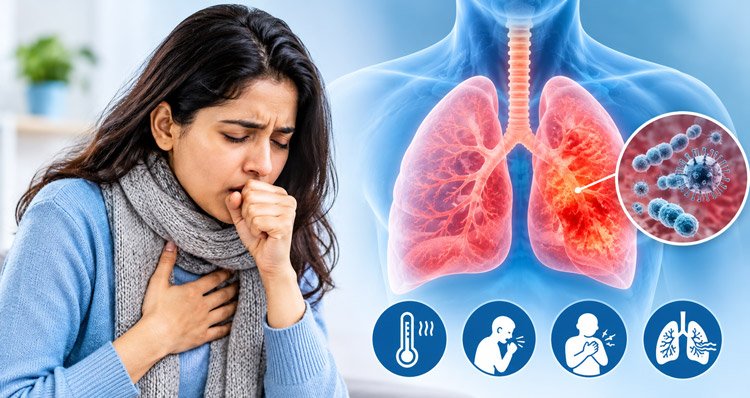
Pneumonia is an infection of the lungs in which the tiny air sacs, called alveoli, become inflamed and may fill with fluid or pus. This interferes with the normal exchange of oxygen, making breathing difficult. It can be caused by bacteria, viruses and, less commonly, fungi. Bacterial pneumonia, particularly pneumococcal pneumonia, is an important cause of severe illness.
Recognising the warning signs
The common symptoms of pneumonia include fever, cough with or without sputum, chest pain, breathlessness, chills and fatigue. Some patients may also experience loss of appetite and generalised weakness.
In older adults, pneumonia may present differently, with confusion, excessive drowsiness or sudden deterioration in general health, sometimes without a significant fever. In children, rapid breathing, chest indrawing, poor feeding and lethargy are important warning signs.
Persistent fever, worsening cough or difficulty breathing should never be ignored. Early medical evaluation can help prevent complications.
Who is at higher risk?
Infants, children below five years, adults above 65 years and people with chronic illnesses are particularly vulnerable. Individuals with diabetes, chronic lung diseases such as asthma and COPD, heart disease, kidney disease and weakened immunity are also at increased risk.
Smoking, exposure to indoor and outdoor air pollution, poor nutrition and overcrowded living conditions can further increase susceptibility to respiratory infections.
Diagnosis and treatment
Pneumonia is diagnosed based on clinical examination and investigations. Chest X-rays, blood tests, oxygen saturation monitoring and sputum investigations may be required depending on the patient’s condition.
Treatment depends on the underlying cause and severity of infection. Bacterial pneumonia requires appropriate antibiotics, whereas viral pneumonia is managed with supportive treatment and specific antiviral medication when indicated. Patients with severe pneumonia may require hospital admission, oxygen therapy and, in some cases, intensive care support.
It is important to avoid self-medication and unnecessary antibiotic use. Antibiotics should only be taken under medical supervision.
Prevention is better than cure
Vaccination is one of the most effective ways to prevent pneumonia and reduce the risk of severe disease. Pneumococcal vaccines are recommended for eligible individuals, particularly older adults and people with certain underlying medical conditions. Influenza and COVID-19 vaccination also help prevent respiratory infections that can lead to pneumonia.
Simple preventive measures such as regular handwashing, maintaining good respiratory hygiene, avoiding smoking, ensuring adequate nutrition and improving indoor ventilation can significantly reduce infection risk.
People with chronic medical conditions should maintain regular follow-up and ensure that their recommended vaccinations are up to date.
A message for the public
Pneumonia is preventable and treatable, but delayed diagnosis can lead to serious complications. Breathlessness, persistent fever and worsening respiratory symptoms require prompt medical attention.