By Dr. Anjan Siotia, Director of Cardiology at BM Birla Heart Hospital
Winter often brings cooler temperatures, shorter days and changes to our daily routines. But cold weather can be hard on the heart, especially for older adults and people with high blood pressure, diabetes, high cholesterol or other heart problems. Winter is a time when heart attacks are reported more often and knowing why can help people take precautions in time.
One of the main reasons is the body’s natural response to cold temperatures. When it’s cold blood vessels contract to save heat in the body. These blood vessels become narrower and this increases the resistance to blood flow and can lead to increased blood pressure. This makes the heart work harder to pump blood around the body. Increased workload can precipitate cardiac event if underlying coronary artery disease is present.
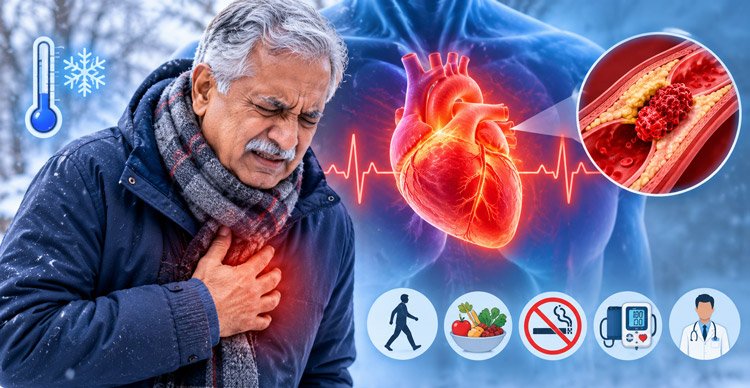
The cold may also affect blood clotting. It may increase the activity of platelets and the viscosity of blood, which makes the blood more likely to form clots. Such changes can be especially troubling for people who already have narrowed arteries, since most heart attacks occur when a blood clot blocks blood flow through a coronary artery.
Another reason is the change in lifestyle during winter. People tend to be less active, spend more time indoors and may eat heavier, saltier and fattier meals. Change in diet, weight gain and less physical activity can adversely affect blood pressure, cholesterol and blood sugar levels. Respiratory infections, such as influenza, are also more common in the winter. Infections can cause inflammation, increase the body’s metabolic needs and put additional stress on the cardiovascular system.
There are some warning signs of a heart attack that should never be ignored. A frequent symptom is a lingering pain, pressure, tightness or heaviness in the center of the chest. The pain may radiate down the arms, shoulders, back, neck or jaw. Other signs include shortness of breath, cold sweats, nausea, vomiting, dizziness, and sudden, unexpected weakness. Importantly, not every heart attack is accompanied by severe chest pain. Women, older adults and people with diabetes may experience atypical symptoms, such as unusual fatigue, shortness of breath or upper abdominal discomfort.
The risk may also be greater with sudden exertion in cold weather. And those who are otherwise sedentary may suddenly find themselves engaging in vigorous activity without proper conditioning. Brisk walking, climbing stairs or lifting heavy objects are also activities that can increase the amount of oxygen the heart needs. If the coronary arteries are narrowed already, the heart may not be able to get enough oxygen rich blood to meet this demand.
A lot of prevention is to maintain healthy habits and control known risk factors. Hypertensive, diabetic and hypercholesterolemic patients should check their levels regularly and take prescribed medication without interruption. It is important to remain physically active, preferably with moderate indoor exercises or walks during the warmer parts of the day. But those with known heart conditions should check with their cardiologist before starting or changing an exercise routine.
A well-rounded diet with low salt, low saturated fats and low processed foods, adequate hydration and sufficient sleep can also help to support cardiovascular health. Avoid smoking and limit alcohol, it’s important. When it gets cold, people should dress in layers and avoid sudden, strenuous physical activity, especially in the early morning when temperatures are usually lower.
Above everything else, a suspected heart attack should always be treated as a medical emergency. Anyone experiencing chest discomfort, breathlessness for no reason, cold sweats or other symptoms that might indicate a heart attack should get emergency medical help straight away. They should not wait for symptoms to subside or try to drive themselves to the hospital.
Winter doesn’t necessarily make you vulnerable to a heart attack, but it can expose underlying cardiovascular risks and put extra strain on the heart. Recognizing early warning signs, managing existing health conditions, and seeking timely medical attention can help make a world of difference in preventing serious complications.