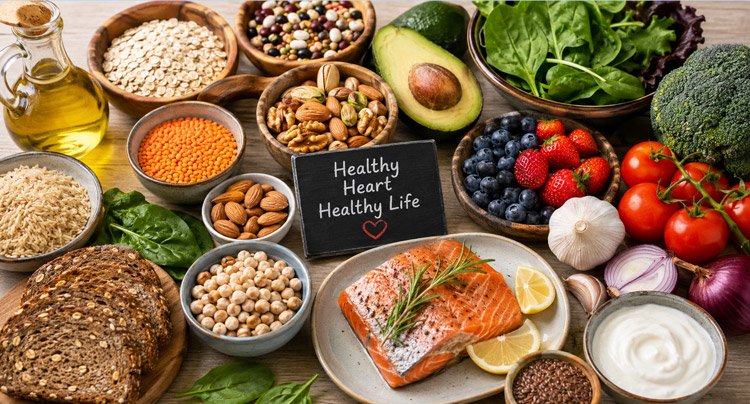
Discover the best foods for heart health, including fatty fish, nuts, whole grains, leafy greens, fruits, pulses and healthy fats that can support cholesterol, blood pressure and overall cardiovascular wellness.
By MTT Research Team
A healthy heart does not depend only on exercise or medical check-ups. What you put on your plate every day also plays an important role in protecting your cardiovascular health.
From the oil used to cook a meal to the grains, vegetables, protein and snacks we choose, everyday food habits can influence cholesterol levels, blood pressure, blood sugar and body weight. Over time, these factors can affect the health of the heart and blood vessels.
The good news is that eating for your heart does not have to mean following a complicated diet. Many familiar foods—from oats and dal to leafy vegetables, nuts, fruits and fish—can become part of a heart-friendly eating pattern.
Rather than searching for a single “superfood,” the focus should be on building a balanced diet rich in minimally processed, nutrient-dense foods.
Fatty Fish: A Source of Heart-Friendly Omega-3s
Salmon, sardines, mackerel and other oily fish are among the most commonly recommended foods for cardiovascular health.
They provide omega-3 fatty acids, which are important fats that can support heart health and help maintain healthy triglyceride levels. For people who eat fish, including oily fish as part of a balanced diet can be a valuable choice.
Walnuts, Almonds and Other Nuts
Nuts are small but nutritionally powerful. Almonds, walnuts and pistachios provide protein, fibre, minerals and unsaturated fats.
Walnuts and some seeds also provide plant-based omega-3 fatty acids. A small handful can make a nutritious snack or topping for breakfast and salads.
However, nuts are energy-dense, so portion size matters. Choose unsalted nuts whenever possible.
Oats and Other Whole Grains
Swapping refined grains for whole grains is a simple way to improve the nutritional quality of your diet.
Oats, barley, brown rice, quinoa, whole-wheat products and millets provide fibre and other nutrients. Soluble fibre found in foods such as oats and barley can help support healthy LDL cholesterol levels.
For Indian households, replacing some refined-grain foods with oats, whole wheat, brown rice or traditional millets can be an easy starting point.
Leafy Green Vegetables
Spinach, methi, mustard greens, kale and other leafy vegetables are rich in fibre and micronutrients.
Making vegetables a regular part of lunch and dinner can increase fibre intake while adding a wide range of vitamins, minerals and beneficial plant compounds to the diet.
Try including different coloured vegetables rather than relying on the same vegetable every day.
Berries and Other Whole Fruits
Fruits provide fibre, vitamins, minerals and naturally occurring plant compounds.
Berries such as strawberries and blueberries are nutritious choices, while commonly available fruits such as guava, apples, oranges, papaya and pomegranate can also fit into a heart-conscious diet.
Whenever possible, choose whole fruit instead of juice. Whole fruits contain fibre and tend to be more filling.
Dal, Beans and Pulses
For many Indian families, pulses are already an important part of the daily diet—and that is good news for heart health.
Dal, chickpeas, rajma, black beans, peas and other legumes provide plant protein and fibre. They can help create satisfying meals without relying heavily on foods high in saturated fat.
A simple bowl of dal with vegetables and whole grains can form the foundation of a nutritious meal.
Avocado and Other Sources of Unsaturated Fat
Avocado contains monounsaturated fat, fibre and several micronutrients.
More broadly, replacing foods rich in saturated fats with foods containing unsaturated fats can help create a more heart-friendly dietary pattern.
The key is replacement, not simply addition. Adding healthy fats while continuing to consume large amounts of unhealthy fats may not provide the same benefit.
Tomatoes: An Easy Everyday Addition
Tomatoes are versatile, affordable and easy to incorporate into Indian meals.
They provide nutrients including vitamin C, potassium and lycopene, a naturally occurring plant compound. Add tomatoes to salads, dals, vegetables, sandwiches or homemade sauces for an easy nutritional boost.
Olive Oil—In Moderation
Extra-virgin olive oil is a source of monounsaturated fat and plant compounds.
It can be used in salads or cooking and may be particularly useful when it replaces fats higher in saturated fat.
But remember: healthy oil is still oil. Keeping overall oil consumption moderate is important for maintaining a balanced diet and healthy body weight.
Soy Foods and Plant Proteins
Tofu, soybeans, edamame and other minimally processed soy foods can provide plant-based protein.
Introducing different sources of plant protein can add variety to the diet and may help reduce reliance on certain high-saturated-fat animal foods.
Garlic, Onions and a Variety of Vegetables
Heart-friendly eating does not need to be expensive or exotic.
Garlic, onions, carrots, broccoli, cauliflower, bell peppers, beans and other vegetables can contribute fibre and beneficial plant compounds to your meals.
The broader goal should be variety—different vegetables, colours and food groups throughout the week.
Low-Fat or Unsweetened Dairy Options
For people who consume dairy, options such as plain curd or lower-fat dairy products can provide protein and important nutrients.
Choose unsweetened options where possible, particularly when managing added sugar intake.
What Foods Should You Limit?
A heart-healthy diet is not only about adding nutritious foods. It also means reducing foods that can undermine cardiovascular health when eaten frequently.
Try to limit:
Deep-fried foods
Processed meats
Foods high in saturated and trans fats
Excessively salty foods
Sugary drinks
Sweets and desserts in excess
Highly processed packaged foods
Refined carbohydrates in excess
Excessive alcohol
Pay particular attention to hidden sodium, added sugar and saturated fat in packaged foods.
Build a Heart-Friendly Plate
Healthy eating does not require abandoning familiar Indian foods.
A balanced plate could include a generous serving of vegetables, dal or another protein source, a moderate portion of whole grains such as brown rice or millet roti, salad and plain curd.
For snacks, fruit or a small portion of unsalted nuts can be better everyday choices than highly processed packaged snacks.
The aim is not perfection. Small, sustainable changes are more useful than following an extremely restrictive diet for a short period.
Your Heart Benefits From Consistency
There is no magic food that can completely protect the heart. Cardiovascular health is influenced by the overall dietary pattern, physical activity, sleep, stress, smoking, alcohol consumption, body weight and medical conditions.
A plate filled with vegetables, whole grains, pulses, fruits, nuts and other nutrient-rich foods is a strong foundation for a healthier lifestyle.
If you have high cholesterol, high blood pressure, diabetes, kidney disease or an existing heart condition, your nutritional requirements may be different. Speak with a doctor or qualified dietitian before making major dietary changes.
The Takeaway
Eat more whole foods, choose healthier fats, increase fibre, keep salt and added sugar in check, and make your meals more colourful.
Your heart works continuously for you. Giving it better nutritional support—one meal at a time—is one of the simplest steps you can take toward long-term cardiovascular wellness.