With cases of blood cancers, immune deficiencies, and complex infectious diseases steadily increasing in India, the need for faster diagnosis and precision-driven treatments has become urgent. Addressing this challenge, Fortis Memorial Research Institute (FMRI), Gurugram hosted HemeNext 1.0, a first-of-its-kind national scientific meeting focused on how cutting-edge technologies—Genomics, AI, robotics, and next-generation Cell Therapies—are transforming modern hematology and infectious disease care.
The two-day event drew over 150 medical experts on-site and more than 1,700 virtual participants, including hematologists, infectious disease experts, bone marrow transplant specialists, CAR-T therapy innovators, and early-career clinicians from across the country.
India’s First Humanoid Healthcare Host Steals the Spotlight
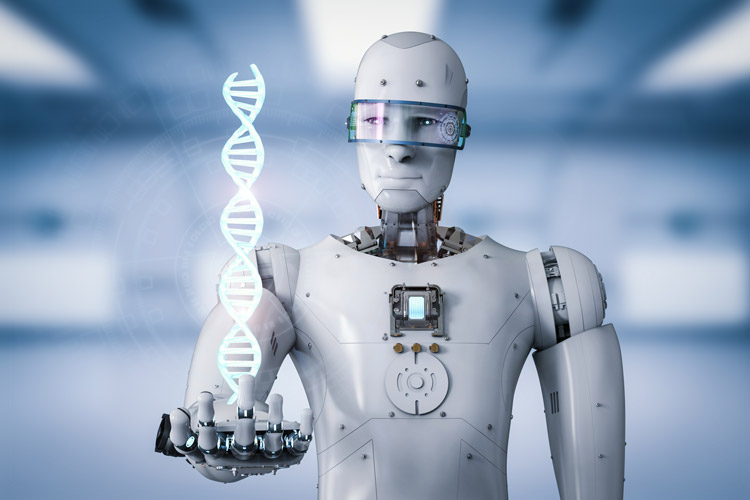
One of the most unique highlights of the conference was the introduction of Hembot, India’s first humanoid healthcare host. Powered by NVIDIA Jetson Orin and capable of performing 100 trillion AI operations per second, the life-sized robot interacted with delegates, offered guidance, co-hosted sessions, and provided a glimpse into how AI-enabled humanoids could support hospitals in the future.
Hembot demonstrated potential roles such as:
- guiding patients within hospitals
- supporting clinical information queries
- assisting with monitoring
- enhancing OPD and waiting-area engagement
The humanoid even participated in the evening gala and performed coordinated movements—symbolizing FMRI’s vision for AI-integrated, futuristic patient care.
Genomics Takes Center Stage
A major focus of HemeNext 1.0 was the rapidly expanding role of genomic science, which is reshaping how clinicians diagnose and manage disorders like leukemia, lymphoma, inherited blood diseases, and bone marrow failure conditions.
Key advancements discussed included:
- Next-Generation Sequencing (NGS) for detailed cancer profiling
- Genetic mutation and expression mapping for more accurate diagnoses
- Algorithms to identify risk of relapse with greater precision
- Monitoring clonal evolution to track disease changes over time
- Genomic matching to improve bone marrow transplant success and safety
These tools are enabling a shift from one-size-fits-all therapies to highly tailored, biology-driven treatments.
Focused on Real-World Impact
The conference placed strong emphasis on clinical application through case discussions, hands-on mentorship, and practice-oriented learning sessions. The goal: to help clinicians apply genomic insights, AI tools, robotics, and cell therapies effectively in everyday patient care.
How Innovation is Transforming Outcomes
HemeNext 1.0 showcased how scientific advancements are already reshaping treatment journeys:
- AI-enabled systems helping detect blood cancers sooner
- Genomics improving diagnostic clarity and speed
- CAR-T therapy offering new pathways for resistant cancers
- Robotics enhancing precision and clinical workflow
- Better transplant outcomes through genomic donor matching
- Personalised treatment plans leading to improved survival rates
The event demonstrated how the convergence of technology and medical science is setting new standards for patient-centric hematology care in India.
(Graphic: Representational Image)