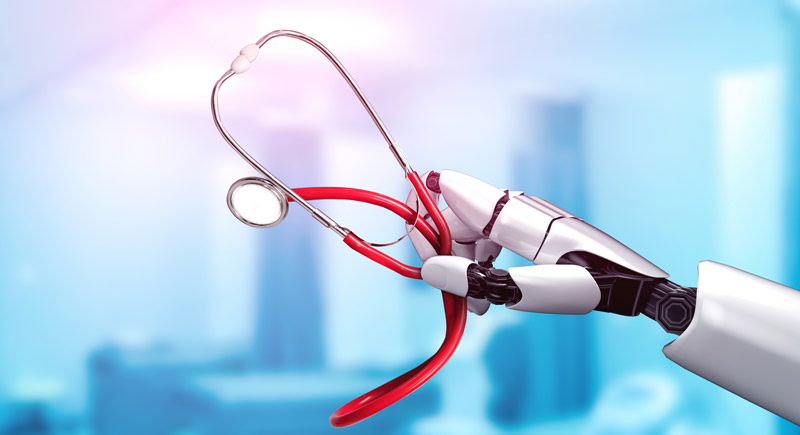
In 2026, hospitals are no longer defined only by doctors, operating rooms, or beds — they are powered by algorithms, intelligent machines, and data-driven decisions. Artificial Intelligence has moved from the background to the bedside, transforming how diseases are detected, how surgeries are performed, and how patients experience care. From AI systems that identify illness before symptoms appear to robotic surgeons delivering unmatched precision, healthcare is entering its smartest era yet — and it’s redefining global medical tourism in the process.
By MTT Editorial Team
Artificial Intelligence (AI) has transcended its early promise to become a cornerstone of modern healthcare. No longer experimental or confined to research labs, AI has been woven into the everyday fabric of medical practice — enhancing diagnostics, personalizing treatment plans, supporting surgical procedures, improving chronic care management, and optimizing hospital operations. For patients who travel across borders seeking the best care, these technologies are not only making healthcare more precise and efficient, but also more predictable and tailored to individual needs.
One of the most visible impacts of AI is in medical diagnosis. Advanced AI systems now act as ever-alert diagnostic partners, rapidly analyzing complex medical images and biochemical data. Tools such as Aidoc and Viz.ai use deep learning algorithms to scan routine CT and MRI images for critical pathology — from internal bleeding and strokes to pulmonary embolisms — alerting clinical teams in real time when urgent attention is needed. These systems work in the background and serve as a second set of reliable eyes for radiologists, allowing faster and more accurate interpretation of imaging data, which is particularly vital in emergency settings where every minute matters.
Alongside radiology, pathology has also been revolutionized by AI. Platforms like PathAI use machine learning to analyze tissue samples, providing detailed interpretations of biopsies that help detect cancer and other diseases with greater precision. By reducing the risk of human error and improving consistency in lab results, these tools contribute to earlier detection and more informed treatment decisions. Portable diagnostic devices such as Butterfly iQ, an AI-powered handheld ultrasound, bring sophisticated imaging into clinics and remote settings without a full radiology department. By guiding clinicians through imaging and interpretation with built-in AI support, Butterfly iQ enhances accessibility to high-quality diagnostics wherever patients are treated.
Oncology — a field where timely, accurate diagnosis is crucial — has benefited from sophisticated AI platforms like Tempus, which integrates genomic, clinical, and molecular data to tailor cancer therapies to each patient’s unique profile. This form of precision medicine helps oncologists identify the most effective treatment options, reducing trial-and-error approaches and improving outcomes.
Beyond diagnosing disease, AI is reshaping how chronic conditions are managed. Wearable sensors and remote monitoring tools powered by AI algorithms can continuously track vital signs and health metrics. These systems detect subtle changes in heart rate, glucose levels or respiratory patterns and alert healthcare teams before a situation becomes critical, enabling proactive management that reduces hospital admissions and enhances quality of life for patients with conditions like diabetes or heart disease. Integrated AI solutions also guide rehabilitation by adjusting therapy programs based on real-time progress data, offering truly personalized recovery pathways.

One of the most transformative areas of AI adoption in 2026 is fertility treatment, particularly In Vitro Fertilization (IVF). AI platforms analyze extensive datasets — including embryo development patterns, hormonal responses, and genetic indicators — to assess embryo viability with remarkable precision. While IVF has always carried uncertainty, these tools substantially increase the likelihood of successful implantation by identifying embryos with the highest potential for healthy pregnancy. Advanced predictive analytics also help clinicians fine-tune stimulation protocols, improve egg quality outcomes, and support patients through a more informed and data-guided IVF journey. This level of insight empowers fertility specialists to personalize treatment, shrink the number of cycles needed, and offer clearer expectations to couples seeking care, especially those traveling internationally for specialized fertility services.
Artificial intelligence is also deeply embedded in surgical care. Robotic surgical systems such as the widely used da Vinci Surgical System combine surgical robotics with AI-assisted visualization and instrument guidance to enhance precision in delicate procedures. Surgeons operating da Vinci robots benefit from high-definition 3D views and real-time assistance that helps reduce invasiveness, minimize blood loss, and improve recovery times. Beyond traditional robotic platforms, research in AI-augmented surgical tools continues to advance. For example, interactive AI co-pilots such as SurgicalVLM-Agent are being developed to support neurosurgical procedures by integrating visual question-answering and task planning to augment surgeon decision-making in complex environments. Innovative systems that use AI-guided camera assistance — like magnetic camera technologies tested in real OR settings — are enabling solo procedures where the camera autonomously tracks instruments, freeing up staff and potentially lowering costs.
In addition to direct clinical support, AI has revolutionized how hospitals operate behind the scenes. Administrative burdens that once consumed significant physician time — such as documentation and billing — are now largely automated. Tools like Nuance DAX (Dragon Ambient eXperience) and Heidi Health produce detailed clinical notes by transcribing and structuring doctor-patient discussions in real time, allowing healthcare professionals to focus more on patient care and less on paperwork. Virtual assistants like Ada Health provide symptom assessment and pre-visit triage to help patients understand their health concerns and direct them to the appropriate level of care. Meanwhile, hospital workflow AI systems coordinate schedules, patient flow, bed utilization, and resource allocation, significantly improving operational efficiency and reducing wait times — benefits that resonate strongly with international patients managing complex care itineraries.
| AI is no longer just a technology of the future — it has become healthcare’s present reality, transforming medicine one patient at a time. |
AI is also catalyzing breakthroughs in drug discovery and treatment innovation. Platforms such as Aiddison and BioMorph leverage machine learning to predict how molecular compounds might behave in biological systems, vastly accelerating the process of identifying potential therapeutic agents and streamlining the path from laboratory discovery to clinical use. This rapid discovery process is essential for urgent needs such as emerging infections or tailored therapies for rare diseases.
In fields like cardiology and orthopaedics, AI augments both planning and execution. Systems like UNiD Spine Analyzer and robotic solutions for knee and joint replacements support surgeons in imaging and precision placement of implants, improving structural outcomes and patient mobility. Augmented reality assisted surgery (ARAS) overlays digital visuals onto real anatomy during procedures, offering surgeons contextual insights that improve navigation and minimize complications.
For patients seeking care beyond their home countries, all these AI advancements translate into greater confidence in treatment quality, personalized care journeys, and enhanced safety. Hospitals with robust AI ecosystems are increasingly preferred by medical tourists, since predictive analytics, surgical precision, and smart workflows contribute to faster recovery, clearer prognoses, and better overall experiences. These technologies are helping to raise global healthcare standards while enabling care providers to offer outcomes that once would have been possible only in select centres of excellence.
Looking ahead, AI adoption will continue to grow not just because of technological innovation but also due to improvements in data governance, ethical standards, and international collaboration. As AI tools become more integrated and explainable, clinicians will have even greater confidence in relying on machine intelligence to complement human expertise.
In 2026, artificial intelligence has become a cornerstone of modern healthcare, driving advances across every stage of the patient journey — from early detection to surgery and chronic care management. For medical tourists, AI-powered medicine offers greater confidence, improved outcomes, and a safer, more personalized care experience than ever before.