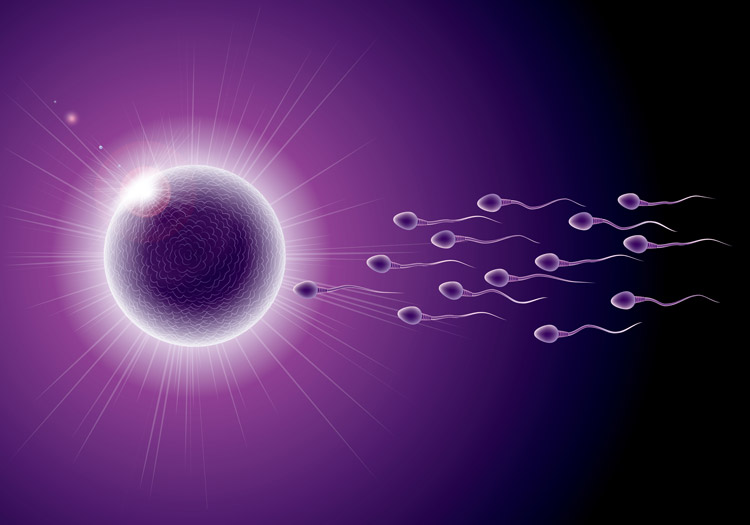
Infertility is becoming an increasingly common challenge worldwide, affecting millions of individuals and reshaping how people approach family planning in the modern era.
By Shinto Kallattu
Infertility is no longer a rare or isolated issue—it has become a widespread global challenge affecting millions of people. Estimates from the World Health Organization suggest that nearly one in six individuals of reproductive age experiences difficulty in conceiving at some point in their lives. This rising trend reflects not just medical concerns, but also deeper shifts in how people live, work, and interact with their environment.
At its core, infertility is a condition influenced by multiple factors. In men, it is commonly associated with problems such as low sperm count, reduced sperm motility, abnormal structure, or issues with ejaculation. In women, fertility can be affected by disorders involving the ovaries, uterus, fallopian tubes, or hormonal imbalances. However, beyond these clinical causes, broader societal patterns are increasingly shaping reproductive health outcomes.
A Shift in Life Priorities
One of the most noticeable trends worldwide is the decision to delay parenthood. Many individuals today choose to establish their careers, pursue higher education, or achieve financial security before starting a family. While these choices bring social and economic benefits, they also come with biological trade-offs. Fertility naturally declines with age—particularly after the mid-30s—making conception more challenging for many couples who wait longer.
Lifestyle and Health Factors
Modern lifestyles are also contributing significantly to fertility issues. Sedentary habits, processed diets, and increasing rates of obesity have become common across both developed and developing nations. These factors can disrupt hormonal balance, which plays a crucial role in reproduction. For women, this may lead to irregular ovulation, while in men it can result in poorer sperm quality.
Stress is another often-overlooked factor. The pressures of work, financial responsibilities, and fast-paced urban living can affect both mental and physical health. Chronic stress has been linked to hormonal changes that may interfere with reproductive processes, further complicating the path to conception.
Environmental Pressures
The environment in which people live is also under scrutiny. Exposure to pollutants such as pesticides, industrial chemicals, and heavy metals has been associated with declining fertility rates. Many of these substances act as endocrine disruptors, meaning they can interfere with the body’s hormonal systems. Over time, even low-level exposure may have cumulative effects on reproductive health.
The Role of Medical Conditions
Certain health conditions are increasingly being diagnosed and are known to affect fertility. In women, disorders like polycystic ovary syndrome (PCOS) and endometriosis are major contributors, often interfering with ovulation or causing other complications. In men, issues such as low testosterone levels or varicocele—a condition involving enlarged veins in the scrotum—can reduce sperm production and quality.
Early detection and proper management of these conditions can make a significant difference, but awareness and access to healthcare remain uneven across regions.
Navigating Fertility in a Changing World
For couples planning to have children, understanding fertility is more important than ever. Awareness of reproductive health, including knowledge of ovulation cycles and factors that influence conception, can improve outcomes. Maintaining a healthy lifestyle—through balanced nutrition, regular exercise, and stress management—remains one of the most effective ways to support fertility.
Seeking medical advice at an early stage is equally important. Fertility specialists can identify potential issues and recommend treatments or lifestyle adjustments before problems become more severe. Additionally, advancements in reproductive technologies are offering new hope to those who struggle to conceive, making it crucial to stay informed about available options.
The rise in infertility is a complex issue driven by a combination of biological, environmental, and lifestyle factors. While the numbers may be concerning, they also highlight the need for greater awareness, better healthcare access, and more informed decision-making. By understanding the causes and taking proactive steps, individuals and couples can better navigate their reproductive journeys in an increasingly challenging landscape.