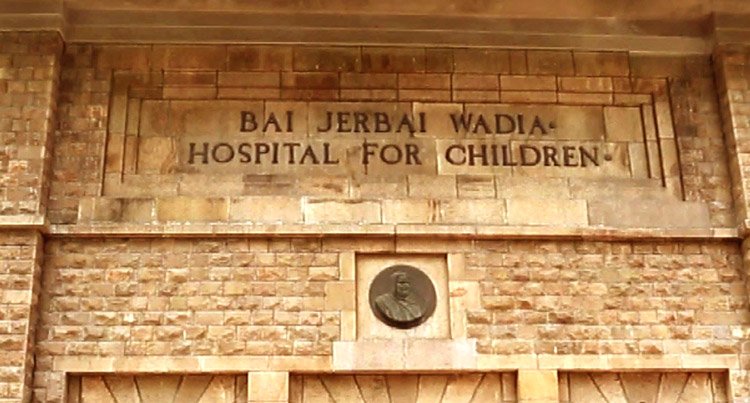
Mumbai: Adults who underwent treatment for congenital heart defects as children can now access dedicated specialist follow-up at Bai Jerbai Wadia Hospital for Children, which has introduced a new Grown-Up Congenital Heart Disease (GUCH) / Adult Congenital Heart Disease (ACHD) Clinic.
The new service is designed for patients who have moved beyond paediatric care but continue to require cardiac monitoring because of their congenital condition or previous surgery and interventions. It will provide clinical evaluation, diagnostic testing, counselling, risk assessment and treatment planning under a coordinated paediatric and adult cardiology team.
The clinic is being led jointly by Dr. Kshitij Sheth, Paediatric Cardiologist, and Dr. Hetan Shah, Adult Cardiologist, creating a dedicated pathway for patients transitioning from childhood cardiac services to adult care.
Unlike most adult patients who develop heart disease later in life, people born with congenital heart defects may carry the effects of their original condition and earlier procedures throughout adulthood. Even when childhood treatment has been successful, changes involving heart function, valves or cardiac rhythm can occur over time.
“Congenital heart disease is a condition that begins at birth, but the need for cardiac care may continue well beyond childhood. Advances in treatment have allowed many children with complex heart conditions to survive and grow into adulthood. However, childhood surgery or intervention does not always mean that the heart will never require attention again. Adults may have residual or develop recurrent issues, related to previous surgeries or interventions. They may also have questions related to exercise, employment, pregnancy, contraception, lifestyle and long-term cardiovascular risk. The aim of the GUCH / ACHD clinic is therefore to move from simply treating a childhood heart defect to providing lifelong, structured and anticipatory care,” said Dr. Kshitij Sheth, Paediatric Cardiologist, Bai Jerbai Wadia Hospital for Children.
Wadia Hospital is already following 15–20 adults with congenital heart disease who received treatment during childhood. The new clinic will also focus on identifying patients who stopped attending cardiac appointments after reaching adulthood and bringing them back into specialist care.
Maintaining a patient’s earlier medical history is central to this approach. Previous diagnoses, operations, catheter procedures, imaging reports and complications can provide critical information when assessing cardiac health years later.
“Continuity of care is one of the most important objectives of the clinic. A patient’s previous diagnosis, operation, catheter intervention, imaging and complications provide extremely valuable information for managing them as adults. A dedicated GUCH/ ACHD service allows us to maintain this history and undertake regular clinical assessment, ECG, echocardiography and appropriate investigations, while identifying problems before they become clinically significant. It also provides a defined pathway for patients transitioning from paediatric to adult-oriented cardiac care rather than leaving them without follow-up once they cross the paediatric age group,” said Dr. Hetan Shah, Adult Cardiologist, Bai Jerbai Wadia Hospital for Children.
The GUCH/ACHD model brings together expertise from paediatric congenital cardiology and adult cardiology. Patients can also be assessed with the support of cardiac imaging, electrophysiology, cardiac surgery and other relevant specialties when required.
Dr. Shah said, “The collaboration between paediatric and adult cardiology is absolutely central to GUCH/ ACHD care. Congenital heart disease is anatomically and physiologically different from acquired adult heart disease, and these patients benefit from doctors who understand both their original congenital anatomy and their current adult cardiovascular needs. The GUCH/ ACHD model brings together the expertise of paediatric congenital cardiology with adult cardiology, cardiac imaging, electrophysiology, cardiac surgery and other relevant specialties. This collaborative approach ensures that the patient’s care evolves with age while retaining knowledge of their original congenital condition.”
The clinic will use Wadia Hospital’s existing cardiac infrastructure, including paediatric cardiology, cardiac surgery, cardiac anaesthesia, intensive care and diagnostic facilities. Services will include ECG, echocardiography, cardiac imaging, functional assessment and evaluation of arrhythmias, with catheter-based interventions and surgery available when clinically indicated.
“Our vision is to establish a clear and seamless pathway from diagnosis in infancy, through surgery or intervention and childhood follow-up, and eventually into adult congenital cardiac care. When a child undergoes a complex cardiac procedure at Wadia, our responsibility should not end when that child reaches 18 years of age. The patient’s cardiac condition may require monitoring even when they feel completely well. Regular assessment can help us understand changes in heart function, valves, rhythm and other aspects of their condition over time. The GUCH/ACHD clinic is an important step towards creating this continuum of care and ensuring that today’s children remain connected to specialised congenital cardiac services throughout their lives,” said Dr. Kshitij Sheth.
Congenital heart disease refers to structural abnormalities of the heart that are present from birth. Advances in surgery, catheter-based treatment, intensive care and neonatal medicine have significantly improved survival, resulting in a growing population of adults who were treated for congenital heart disease as children.
Doctors caution that feeling healthy does not necessarily mean that specialist follow-up is no longer required. Certain complications can develop without obvious symptoms and may only be identified through routine examination or cardiac tests.
“Feeling well does not necessarily mean that the heart no longer needs monitoring. Many adults who underwent congenital heart surgery or intervention as children lead completely normal, active lives – which is exactly what we want. But some complications can develop silently and may only be detected through a clinical examination, ECG, or echocardiogram. Anyone who had congenital heart disease or underwent cardiac surgery or intervention during childhood should not wait for symptoms. A periodic specialist assessment can provide reassurance when everything is well and allow problems to be detected early when they are easier to manage. The message is simple: we have helped you grow up with a healthy heart; now we want to help you keep it healthy throughout adulthood,” said Dr. Hetan Shah.
Wadia Hospital’s paediatric cardiac programme currently treats more than 1,000 children every year, reflecting the scale of its congenital cardiac services.
“Bai Jerbai Wadia Hospital for Children has a long-standing and comprehensive paediatric cardiac programme, and the Paediatric Cardiology Department currently treats more than 1,000 children every year. With major advances in diagnosis, cardiac surgery, catheter-based interventions, intensive care and neonatal care, an increasing proportion of children with congenital heart disease are now surviving well into adulthood. This has created an entirely new group of patients that are adults who have previously undergone surgery or interventions in childhood and now require specialised lifelong cardiac follow-up. We already see a significant number of patients who were treated for congenital heart disease during childhood and are now adults. However, 15-20 adult congenital patients are currently under follow-up.”
Dr. Minnie Bodhanwala, CEO, Bai Jerbai Wadia Hospital for Children, added, “We therefore expect the clinic to progressively identify and bring back patients who require lifelong surveillance. These are children who survived because of advances in paediatric cardiac care. Now, as they grow into adults, it’s our responsibility to ensure that they do not fall through the gap between paediatric and adult medicine. This is the philosophy behind this initiative”.
The GUCH/ACHD clinic represents an effort to close the gap that can emerge when congenital heart patients move out of paediatric services. By combining specialist expertise and maintaining continuity of medical history, Wadia Hospital aims to ensure that patients treated for congenital heart disease in childhood continue to receive appropriate cardiac care well into adulthood.
(Photo courtesy: facebook.com/BJWHC)