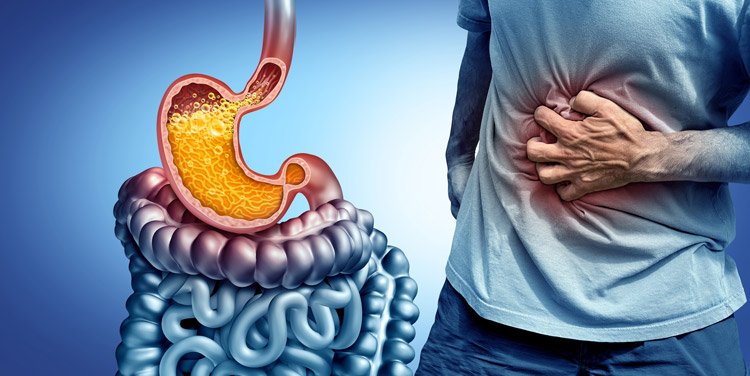
By Dr Lalith Kumar Reddy Kanthala, Senior Consultant – Surgical Gastroenterology, HPB Oncosurgery and Liver Transplantation, Yashoda Hospitals, Malakpet, Hyderabad
It is late, dinner ran long, or you were simply hungry. You finish a meal, brush your teeth, and lie down. An hour later there is a burning feeling behind your breastbone, a sour taste at the back of your throat, and sleep is nowhere in sight.
If this sounds familiar, the timing of your last meal may be the culprit. Here is why late eating and reflux go together, how long to wait before lying down, and what else helps.
What Is Acid Reflux?
Your stomach makes strong acid to break down food. A ring of muscle at the top of the stomach, called the lower esophageal sphincter, acts like a one-way door. It opens to let food in and then closes to keep acid down.
Acid reflux happens when that door opens at the wrong time or doesn’t close fully, letting stomach contents travel back up the food pipe (esophagus). The result is heartburn, a burning feeling in the chest, sometimes with a sour or bitter taste in the mouth.
Occasional reflux is common. When it happens often (roughly twice a week or more), doctors call it gastroesophageal reflux disease (GERD).
Why Eating Late Makes Reflux Worse
Several things work against you when you eat and then lie down soon after.
- Gravity stops helping. When you are upright, gravity keeps food and acid in the stomach. Lying flat removes that help, and acid can flow upward more easily.
- A full stomach pushes upward. A large meal stretches the stomach and presses on the muscle valve, making it easier to open.
- Digestion is slower at night. Your body’s internal clock slows the digestive system in the evening, so a late meal stays in the stomach longer.
- Your body clears acid less well during sleep. You swallow less and make less saliva, both of which normally wash acid out of the food pipe. Acid that gets up there stays in contact with the lining for longer.
This is why nighttime reflux can feel worse and, if it keeps happening, may be more likely to irritate or damage the lining of the esophagus.
So, How Long Before Bed Should You Stop Eating?
It is better leaving at least two to three hours between a full meal and lying down. If you are prone to reflux, three to four hours is a safer target.
A rough guide:
- Large, fatty or spicy dinner: aim for 3 to 4 hours.
- Ordinary balanced dinner: 2 to 3 hours.
- Frequent heartburn or diagnosed GERD: 3 to 4 hours.
- Plain drinks like water: about 30 minutes is usually enough.
- Small, light snack: often fine with a shorter gap, but see how your body responds.
This doesn’t need to be perfect every night. What matters is making it your usual habit rather than the exception.
Why the Gap Matters
Some studies suggest that people who go to bed soon after dinner are more likely to have GERD than those who wait longer. Research of this kind shows a link, not proof of cause, but it matches what doctors see and what we know about how the stomach works. It also fits the advice given by gastroenterologists in clinical practice.
It Isn’t Only About Timing: What You Eat Matters Too
A large, rich meal is harder on your digestion than a small one. Some foods are also known to relax the valve or irritate the food pipe. Common triggers include:
- Fried, fatty or greasy foods, which stay in the stomach longer
- Spicy dishes
- Tomatoes and tomato-based foods
- Citrus fruits and juices
- Onions and garlic
- Chocolate and peppermint
- Coffee, tea and other caffeinated drinks
- Carbonated drinks
- Alcohol, which relaxes the valve and can raise stomach acid
Triggers differ from person to person. Keeping a simple food diary for a couple of weeks can show you which ones affect you.
If You Have to Eat Late
Shift work, family events and long days sometimes make a late meal unavoidable. To lower the risk:
- Keep the portion small. Think snack-sized rather than a full dinner.
- Choose gentle foods. Lean proteins, vegetables, whole grains, bananas or oatmeal are easier to digest than fried or heavily spiced dishes.
- Eat slowly. Rushing fills the stomach quickly and swallows extra air.
- Skip alcohol and fizzy drinks.
- Stay upright for at least 30 minutes. Sit, or take a gentle walk.
- Don’t go to bed hungry either. A very empty stomach can disturb sleep too. A small, plain snack is better than a heavy meal or no food at all.
Other Habits That Help at Night
Meal timing works best alongside a few other simple changes.
- Raise the head of your bed. Placing blocks under the bedposts, or using a wedge-shaped cushion, lifts your whole upper body. Stacking pillows is not the same, as it bends you at the waist and can increase pressure on the stomach.
- Sleep on your left side. Small studies suggest this position may lead to fewer reflux episodes at night.
- Lose excess weight. Extra weight around the middle presses on the stomach. Even modest weight loss can reduce symptoms.
- Wear loose clothing. Tight waistbands add pressure.
- Stop smoking. Smoking relaxes the valve and irritates the digestive tract.
- Avoid exercising right after meals. Give it a couple of hours.
- Check your medicines. Some painkillers (such as anti-inflammatory drugs) and certain blood pressure, asthma and hormone medicines can trigger heartburn. Talk to your doctor before changing anything.
Other Effects of Late Eating
Reflux is not the only issue. Regularly eating heavy meals close to bedtime can also:
- Disturb sleep, through bloating, discomfort or waking during the night
- Contribute to weight gain, particularly if late eating adds extra calories
- Affect blood sugar control, as the body handles food less efficiently in the evening
- Harm your teeth, since less saliva at night lets sugar and acid sit on the enamel. Brush after your last snack
Who Needs to Be Extra Careful?
Some people should take particular care or get personal advice:
- People with GERD or frequent heartburn, who gain most from earlier, smaller dinners
- Pregnant women, as heartburn is common in pregnancy; ask your midwife or doctor for safe options
- People with diabetes, who may need a bedtime snack to prevent overnight low blood sugar. Don’t drop it without advice from your care team
- People who have had a hiatal hernia, where part of the stomach pushes up through the diaphragm and makes reflux more likely
When to See a Doctor
Lifestyle changes can ease occasional reflux, but they are not enough for everyone. Make an appointment if you have:
- Heartburn on most days, or for three weeks or more
- Heartburn that continues despite changes and over-the-counter antacids
- Trouble or pain when swallowing
- Unplanned weight loss
- Repeated vomiting, or vomiting blood
- Black or tarry stools
- A long-lasting cough, hoarseness or sore throat
If you are already on acid-reducing medicine, keep taking it as prescribed. Medicine reduces how acidic the reflux is, while timing, posture and weight reduce how often it happens. The two work together, and your doctor can review when it is safe to lower or stop the dose.
Seek urgent help if heartburn comes with chest pain spreading to the arm, jaw or back, shortness of breath or sweating, as these can be signs of a heart problem.
Conclusion
Eating late and lying down soon after is one of the most common triggers for nighttime reflux. For most people, finishing a meal two to three hours before bed (three to four if you are prone to reflux) makes a real difference. Pair that with smaller, lighter evening meals, fewer trigger foods, an upright pause after eating, and a raised head of bed.
You don’t need a perfect routine. Small, steady changes often bring relief, and if symptoms persist, your doctor can look for the cause and offer treatment.

Dr Lalith Kumar Reddy Kanthala is a Senior Consultant – Surgical Gastroenterology, HPB Oncosurgery and Liver Transplantation, Yashoda Hospitals, Malakpet, Hyderabad. Dr Lalith Kumar Reddy Kanthala has over 11 years of experience in surgical gastroenterology, HPB oncosurgery and liver transplantation. He completed his MBBS from Guntur Medical College, DNB in General Surgery from Aster MIMS, Calicut, and DrNB in Surgical Gastroenterology from Sir Ganga Ram Hospital, New Delhi. He has completed fellowships in HPB Surgery and Liver Transplantation at Rela Institute and Medical Centre, Chennai, and advanced laparoscopic and robotic surgery at Chung Shan Medical University Hospital, Taiwan. His expertise includes liver transplantation, robotic and laparoscopic donor hepatectomy, complex liver and pancreatic surgery, gastrointestinal cancer surgery, bariatric surgery and complex hernia surgery. He is a member of ILTS, LTSI, IHPBA and IASG.