By Dr Deep Das, Consultant and Interventional Neurologist at CK Birla Hospitals, CMRI Kolkata
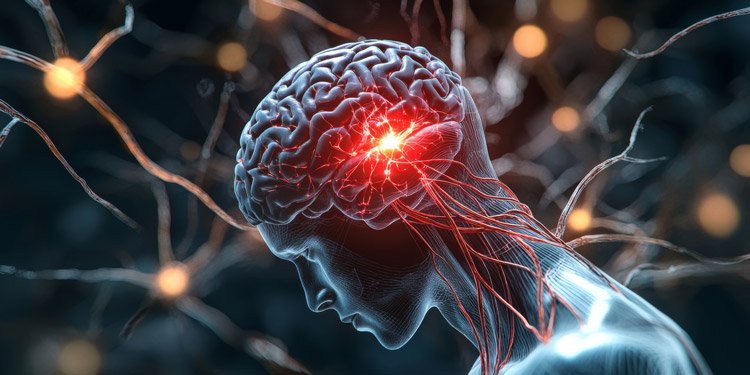
As winter sets in, cosy routines often replace outdoor activity—we move less and indulge more. While the drop in temperature is a welcome change for many, it carries a hidden danger for those with high blood pressure or heart condition: an increased risk of stroke, or a “brain attack.
The Cold Weather Connection
Why does winter trigger strokes? Cold weather naturally causes blood vessels to constrict (narrow), which spikes blood pressure. This puts sudden, extra strain on your cardiovascular system.
While a change in season doesn’t make a stroke inevitable, the risk escalates if you already have underlying conditions like hypertension, diabetes, high cholesterol, heart disease, or a habit of smoking.
Spot a Stroke: Remember B.E. F.A.S.T.
A stroke happens when blood flow to the brain is blocked or a blood vessel bursts. Because millions of brain cells die every minute during a stroke, time is brain. Use the B.E. F.A.S.T. checklist to spot the warning signs instantly:
* B – Balance: Sudden loss of balance or coordination.
* E – Eyes: Sudden blurred, double, or lost vision.
* F – Face: One side of the face droops when smiling.
* A – Arms: Sudden weakness or numbness in one arm or leg.
* S – Speech: Slurred speech or trouble understanding others.
* T – Time: Call emergency medical services immediately.
Warning: Never ignore a sudden, severe headache, or symptoms that disappear after a few minutes. These could be a “mini stroke” (Transient Ischemic Attack) and require urgent medical attention before a major stroke strikes.
Your 5-Point Winter Protection Plan
* Never Skip Medications: Keep taking your blood pressure and heart medicines as prescribed, even if you feel completely fine. Never alter doses on your own.
* Monitor Regularly: Check your blood pressure frequently during the colder months.
* Keep Moving Indoors: Don’t let the chill freeze your fitness routine. Stay physically active, but avoid sudden, extreme exertion in the cold if your body isn’t used to it.
* Layer Up: Dress warmly to prevent sudden drops in body temperature.
* Eat Smart & Quit Smoking: Maintain a heart-healthy diet and stay away from tobacco.
What to Do in an Emergency
If you suspect a stroke, do not wait to see if the person feels better, and avoid driving them to the hospital yourself. Call an ambulance immediately and note the exact time the symptoms started. Rush the patient to a stroke-ready hospital where rapid brain imaging and specialist intervention can save their life and prevent permanent disability.
Winter isn’t the enemy—complacency is. Stay warm, stay vigilant, and keep your risk factors in check.