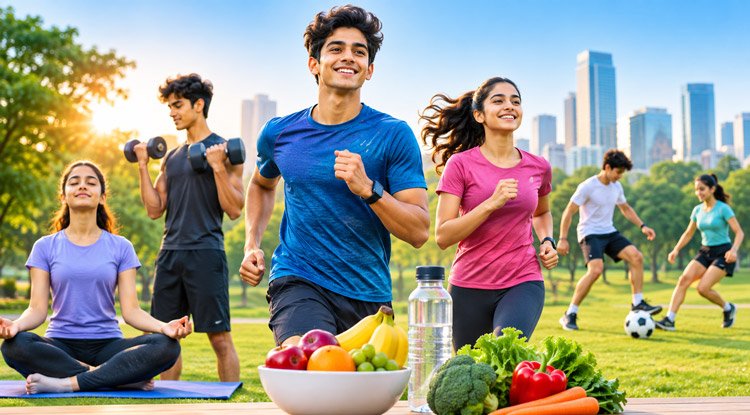
Building a healthier generation requires more than physical exercise. It calls for balanced nutrition, active lifestyles, mental wellbeing and a lifelong commitment to health.
Fitness is increasingly becoming an important part of conversations among young people. From gym workouts and strength training to running, yoga, cycling and sports, youngsters are exploring different ways to stay physically active. However, despite growing interest in fitness trends, maintaining a healthy and active lifestyle remains a challenge for many.
Changing lifestyles, increased screen time, academic pressure, irregular eating habits and inadequate sleep have contributed to a more sedentary routine among young people. The consequences extend beyond weight gain, potentially affecting cardiovascular health, metabolic function, bone development and mental wellbeing.
Fitness, therefore, should not be viewed simply as a way to improve physical appearance or build muscle. It is an essential investment in long-term health.
The Growing Challenge of Inactivity
The latest global evidence highlights why youth fitness deserves greater attention. A World Health Organization (WHO) report published on 4 November 2026, based on data from more than 3.2 million adolescents across 140 countries and territories, found that one in four adolescents aged 11–17 reported no days in the previous week with at least 60 minutes of moderate-to-vigorous physical activity. Only 14% reported achieving this level on all seven days.
The gender gap is also significant: 28% of girls reported no active days, compared with 22% of boys. These findings underline the need to make physical activity more accessible, particularly for adolescent girls. World Health Organization+1
Fitness Is More Than Building Muscles
One of the common misconceptions among youngsters is that fitness is primarily about developing an attractive physique. While strength training and muscle development can be part of a healthy fitness routine, overall fitness involves much more.
A balanced fitness programme should include:
- Cardiovascular endurance: Walking, jogging, swimming, cycling and other aerobic activities support heart and lung fitness.
- Strength training: Appropriate resistance exercises help develop muscular strength and physical function.
- Flexibility and mobility: Yoga, stretching and mobility exercises support movement and flexibility.
- Sports and outdoor activities: Football, badminton, basketball, cricket and other sports encourage movement, coordination and teamwork.
Regular physical activity also supports mental wellbeing, cognitive health and healthy bone development. It can help reduce symptoms of anxiety and depression while improving overall quality of life.
Nutrition: The Foundation of Physical Fitness
Exercise alone cannot ensure good health. Proper nutrition is equally important, particularly during adolescence and early adulthood, when the body undergoes significant physical development.
Youngsters should prioritise balanced meals containing vegetables, fruits, whole grains, pulses, nuts, dairy products or suitable alternatives, and adequate protein sources. Drinking sufficient water and maintaining regular meal patterns are also important.
Excessive dependence on highly processed foods, sugary beverages and calorie-dense snacks can make it difficult to maintain a balanced diet.
Another growing concern is the use of unverified fitness supplements, weight-loss products and performance-enhancing substances. Young people should avoid self-prescribing supplements or using products promoted through social media without understanding their safety and necessity. Nutritional requirements should ideally be assessed by qualified healthcare professionals or registered dietitians.
The Influence of Social Media and Fitness Trends
Social media has made fitness information more accessible than ever. Workout videos, fitness influencers and online training programmes have encouraged many youngsters to become physically active.
However, not all online fitness advice is reliable. Unrealistic body standards, extreme dieting, excessive exercise routines and misleading supplement promotions can negatively influence young people.
Fitness should not become a competition to achieve a particular body shape or match someone else’s physical appearance. Individual fitness goals must consider age, health status, physical capabilities and personal requirements.
Youngsters should seek guidance from qualified fitness professionals and healthcare practitioners, particularly when starting intensive training programmes or dealing with existing health concerns.
The Importance of Sleep and Mental Wellbeing
A healthy lifestyle requires adequate recovery. Sleep plays an important role in physical development, muscle recovery, concentration and emotional regulation.
Academic responsibilities, late-night screen use, social pressures and irregular daily schedules can interfere with healthy sleep patterns.
Young people should establish consistent sleep routines, take breaks from digital devices and make time for relaxation and recreational activities.
Equally important is recognising that exercise should support mental wellbeing rather than become another source of pressure. Activities such as yoga, walking, cycling and team sports can provide opportunities to manage stress and improve social connections.
What Should Youngsters Aim For?
The WHO provides clear physical activity recommendations for different age groups.
| – FOR CHILDREN AND ADOLESCENTS AGED 5-17 YEARS 60 minutes daily Average of at least 60 minutes of moderate-to-vigorous, mostly aerobic physical activity per day across the week. Vigorous aerobic activity and muscle- and bone-strengthening activities should be included at least three days a week. – FOR YOUNG ADULTS AGED 18-64 YEARS 150–300 minutes weekly Moderate-intensity aerobic activity, or 75–150 minutes of vigorous-intensity activity, or an equivalent combination. Muscle-strengthening activities should also be performed at least two days a week. |
These are health recommendations, not targets that everyone must achieve immediately. Youngsters who are currently inactive should begin with manageable activities and gradually increase their duration and intensity.
Creating a Culture of Fitness
Promoting fitness among youngsters requires collective participation. Schools and colleges should encourage regular physical education, organised sports and opportunities for outdoor activities. Parents can support healthier habits by participating in physical activities with their children and encouraging balanced eating patterns.
Communities and local authorities also have an important role in creating safe parks, playgrounds, walking paths and accessible sporting facilities. Particular attention should be given to ensuring that girls have safe and welcoming opportunities to participate in physical activities.
Healthcare professionals can further contribute by encouraging preventive health practices and helping young people understand the long-term importance of physical fitness.
Conclusion: Investing in a Healthier Generation
The fitness of today’s young generation will influence the health of tomorrow’s society. Building healthy habits during childhood, adolescence and early adulthood can contribute to better physical health, mental wellbeing and long-term quality of life.
The goal should not be to create a generation obsessed with gym memberships, muscular physiques or fitness trends. It should be to encourage young people to move more, eat better, sleep well and make informed lifestyle choices.
Fitness is not a short-term transformation; it is a lifelong commitment to health.