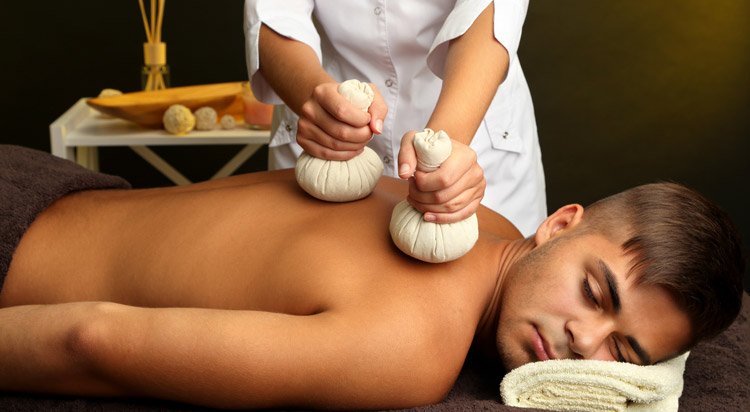
Rooted in India’s ancient Ayurveda tradition, Panchakarma is attracting growing attention in the international wellness sector. As travellers increasingly seek personalised wellness experiences, India has an opportunity to position this specialised therapeutic practice as an important part of its global medical value travel offering.
By MTT Research Desk
As international travellers increasingly explore traditional healing systems and personalised wellness experiences, Panchakarma is emerging as one of India’s distinctive offerings in the global wellness tourism landscape. Rooted in classical Ayurveda, this specialised therapeutic approach presents opportunities for India to strengthen its position as a destination for holistic wellbeing.
India’s centuries-old Ayurveda tradition is finding renewed relevance in the international wellness industry. Among its most recognised therapeutic practices, Panchakarma holds a distinctive position for its structured procedures, individualised treatment approach and emphasis on restoring balance within the body.
Derived from the Sanskrit words Pancha (five) and Karma (actions or procedures), Panchakarma is a specialised branch of Ayurvedic treatment traditionally intended to address imbalances through five principal therapeutic procedures. It is generally administered through a carefully planned programme that includes preparatory treatments, selected therapeutic procedures and post-treatment dietary and lifestyle recommendations.
As wellness tourism expands beyond conventional spa experiences, Panchakarma offers India an opportunity to showcase a more comprehensive approach to traditional wellness. Specialised Ayurveda hospitals, treatment centres and wellness retreats are increasingly incorporating these therapies into programmes designed for domestic and international visitors.
Understanding the Five Procedures of Panchakarma
Panchakarma is traditionally described through five principal procedures. Their selection depends on an individual’s health condition, Ayurvedic assessment, suitability and the physician’s clinical judgement.
The five procedures are:
1. Vamana (Therapeutic Emesis): A medically supervised procedure involving induced vomiting, traditionally used in selected conditions within Ayurvedic practice.
2. Virechana (Therapeutic Purgation): A controlled purgation procedure administered using prescribed preparations as part of an individualised treatment plan.
3. Basti (Therapeutic Enema): The administration of prescribed herbal decoctions or medicated oils through the rectal route. Different forms of Basti are used in classical Ayurveda.
4. Nasya (Nasal Administration): The administration of prescribed medicinal preparations through the nasal route.
5. Raktamokshana (Bloodletting): A specialised procedure involving controlled bloodletting, described in certain classical Ayurvedic traditions.
There are differences between classical Ayurvedic schools in how the five procedures are classified. Some traditions count the two principal forms of Basti separately and do not include Raktamokshana in the same five-part list.
An important aspect of Panchakarma is that the main procedures are not performed in isolation. The treatment programme generally includes three stages:
- Purvakarma (Preparatory procedures): May involve Snehana (oleation), Swedana (sudation or therapeutic sweating) and other preparatory measures.
- Pradhanakarma (Main procedures): The selected therapeutic procedures are administered under professional supervision.
- Paschatkarma (Post-treatment care): Includes a prescribed dietary regimen, gradual return to normal routines and lifestyle recommendations.
This structured approach distinguishes classical Panchakarma from routine oil massages and relaxation therapies commonly marketed as Ayurvedic wellness treatments.
Why Panchakarma Is Attracting International Wellness Travellers
The growing interest in holistic wellbeing, stress management, healthy ageing and lifestyle improvement is creating new opportunities for traditional wellness systems. Travellers are increasingly exploring experiences that combine relaxation, personalised attention, nutrition and lifestyle guidance.
Panchakarma fits into this evolving landscape by offering a structured therapeutic experience rooted in India’s traditional healthcare knowledge. Depending on individual needs and medical suitability, programmes may incorporate selected Ayurvedic procedures, dietary guidance, yoga, meditation and lifestyle recommendations.
For international visitors, the appeal also extends beyond the treatment itself. Experiencing Ayurveda in India provides an opportunity to understand its cultural foundations, traditional practices and approach to wellbeing.
However, Panchakarma is not a generic detox programme or a universal wellness solution. Its suitability varies between individuals, and some procedures are intensive and carry potential risks. Proper assessment and supervision by qualified Ayurveda physicians are essential.
Kerala: India’s Leading Destination for Ayurveda Experiences
Kerala has established a distinctive identity in India’s Ayurveda tourism sector. Its traditional healthcare heritage, availability of Ayurveda practitioners, specialised treatment facilities and established hospitality infrastructure have helped attract visitors seeking authentic Ayurvedic experiences.
The state offers a range of Ayurveda hospitals, treatment centres and wellness resorts, with programmes extending from traditional therapies to longer residential treatment experiences.
An important initiative is Kerala Tourism’s classification system for Ayurveda centres, which includes categories such as Ayur Silver, Ayur Gold and Ayur Diamond. The initiative aims to encourage service quality and provide visitors with greater confidence when selecting Ayurveda facilities.
Beyond Kerala, destinations such as Rishikesh, Uttarakhand, Karnataka and Goa also offer opportunities for Ayurveda and wellness tourism. Their natural surroundings, yoga traditions and growing wellness infrastructure provide scope for developing specialised experiences for international visitors.

Government Initiatives and India’s Global Ayurveda Ambitions
India’s efforts to promote traditional healthcare internationally are supported by initiatives from the Ministry of Ayush and other government agencies.
The introduction of the Ayush Visa in July 2023 was an important step towards facilitating international visitors seeking treatment under India’s recognised traditional systems of medicine, including Ayurveda. It provides a dedicated visa pathway for eligible patients and their attendants.
India has also been promoting medical value travel through international engagement, institutional partnerships and initiatives aimed at strengthening the global visibility of AYUSH healthcare services.
These developments provide a broader platform for Ayurveda institutions and wellness providers to reach international audiences and develop professionally managed services.
For Panchakarma, this creates an opportunity to move beyond its traditional domestic market and become a more visible component of India’s international wellness tourism offering.
Scientific Research, Quality and Patient Safety
For Panchakarma to gain stronger international recognition, credibility and patient safety must remain central to its development.
International visitors need confidence in the qualifications of Ayurveda physicians, the quality of medicines, treatment protocols and the standards maintained by individual facilities. Clear information about procedures, expected experiences, potential risks and treatment costs is equally important.
Scientific research also has an important role. Clinical studies, systematic documentation and transparent reporting of treatment outcomes can help establish a better understanding of the potential benefits and limitations of individual Panchakarma procedures.
The World Health Organization’s Global Traditional Medicine Strategy 2025–2034 emphasises the importance of strengthening scientific evidence, ensuring safety and quality, and promoting appropriate regulation of traditional medicine.
Indian institutions have an opportunity to contribute through research collaborations, professional training, improved treatment documentation and stronger quality assurance practices.
Equally important is responsible communication. Claims that Panchakarma can cure major diseases, eliminate all toxins or guarantee long-term health benefits should be avoided unless supported by appropriate scientific evidence.
Opportunities in the Global Wellness Tourism Market
Panchakarma offers India opportunities across several interconnected sectors, including traditional healthcare, wellness hospitality, medical value travel and Ayurveda education.
Specialised Ayurveda hospitals can develop structured treatment programmes for international visitors, while wellness resorts can combine appropriate Ayurvedic services with accommodation, nutrition, yoga and meditation.
There is also potential for collaboration between Ayurveda institutions, medical tourism facilitators, travel companies and international wellness organisations. Such partnerships can improve access to information, simplify travel arrangements and provide better support throughout the visitor’s stay.
To attract international patients, facilities will need to focus on several important areas:
- Qualified and experienced Ayurveda physicians.
- Clearly defined treatment protocols and patient assessment.
- Appropriate clinical infrastructure and hygiene standards.
- Transparent pricing and treatment information.
- International patient coordination and language support.
- Post-treatment guidance and continuity of care.
Developing these capabilities can help distinguish professionally managed Ayurveda institutions from conventional spa and relaxation facilities.
India’s Opportunity to Lead Through Authenticity
Panchakarma represents more than a traditional therapeutic practice; it is an important part of India’s distinctive healthcare and cultural heritage. Its growing visibility in the wellness tourism sector offers an opportunity to connect traditional knowledge with contemporary expectations of personalised care, quality services and responsible wellness experiences.
India’s success will depend on preserving the authenticity of Panchakarma while strengthening scientific research, professional standards, infrastructure and international patient services.
As global wellness travellers increasingly look beyond conventional spa experiences, India has an opportunity to position Panchakarma as one of its signature offerings in holistic wellness tourism, bringing its traditional healing heritage to a wider international audience.