
Breast cancer can also affect younger women, making awareness of breast changes important even before routine screening age.
By Dr. Akhila Bommareddy, Surgical Oncologistm TGH Onco Life Cancer Centre, Talegaon.
Breast cancer is associated with older women, but it can also occur in younger women. This is why doctors say women should not assume they are too young to develop breast cancer or ignore changes in their breasts simply because of their age. Knowing the warning signs and seeking medical advice early can help in timely diagnosis and treatment.
Breast cancer occurs when abnormal cells in the breast begin to grow in an uncontrolled way and form a tumour. It can start in different parts of the breast and may sometimes spread to other parts of the body if not detected and treated. Breast cancer is not limited to women in their 50s or 60s. Younger women can also develop the disease, and sometimes the symptoms may be mistaken for hormonal changes or other harmless breast problems. Any new or unusual breast change that persists should be evaluated rather than being ignored because of age.
Why can breast cancer occur in younger women?
- Family history: Having close relatives with breast or certain other cancers can increase risk.
- Genetic changes: Inherited changes in genes such as BRCA1 and BRCA2 can increase the risk of breast and ovarian cancers.
- Hormonal and reproductive factors: Certain reproductive and hormonal factors can influence breast cancer risk.
- Lifestyle factors: Being overweight, physical inactivity, and alcohol consumption can contribute to risk.
- Previous radiation exposure: Radiation treatment to the chest at a young age can increase the risk later in life.
- Age: Although risk generally increases with age, younger age does not completely rule out breast cancer.
Having one or more risk factors does not mean that a woman will definitely develop breast cancer. Some women develop breast cancer without any obvious risk factor.
What symptoms should younger women watch for?
Women should become familiar with how their breasts normally look and feel. Changes that need medical evaluation include:
- A new lump or thickening in the breast or underarm
- A change in breast size or shape
- Nipple turning inward
- Unusual nipple discharge, particularly if it is bloody
- Persistent pain or discomfort in one area
- Skin redness, thickening or a change in texture
- Dimpling or an appearance resembling the skin of an orange
- A change in the appearance of the nipple or surrounding skin
Not every breast lump or change is cancer. Conditions such as cysts and fibroadenomas can also cause lumps. However, a new or persistent change should be checked by a doctor.
Why awareness cannot wait until middle age
Younger women often have dense breast tissue, and some may dismiss a lump or other change as a hormonal issue. Delaying evaluation can mean that a concerning change is identified later. Women should not wait until they reach an older age to become aware of their breast health. If there is a persistent lump, nipple change, unusual discharge, or any other unexplained change, a clinical examination is important.
What complications can occur if breast cancer is diagnosed late?
If breast cancer is detected at a later stage, the disease may have spread beyond the breast to lymph nodes or other organs. Treatment may then become more complex and can involve a combination of surgery, chemotherapy, radiation therapy, hormonal therapy, or targeted treatment depending on the type and stage of cancer. Early evaluation does not mean every breast change will turn out to be cancer. It simply gives doctors an opportunity to identify the cause and start appropriate treatment when required.
What can younger women do?
- Know the normal appearance and feel of your breasts.
- Do not ignore a new or persistent breast change.
- Seek medical advice if you notice a suspicious lump or other warning sign.
- Women with a strong family history should discuss their individual risk with a doctor.
- Maintain a healthy weight and stay physically active.
- Follow screening advice based on individual risk and medical history rather than relying only on age.
Awareness, timely evaluation, and appropriate follow-up remain important at every age.
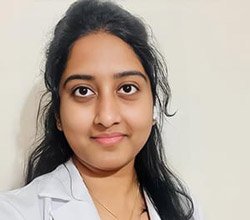
Dr. Akhila Bommareddy is a dedicated and highly trained Surgical Oncologist with a strong academic background and hands-on experience in comprehensive cancer care. She completed her MCh in Surgical Oncology from Vydehi Institute of Medical Sciences & Research Centre, Bengaluru, after pursuing her MS in General Surgery and MBBS from the same institution.
With experience as a Senior Resident in both General Surgery and Surgical Oncology, Dr. Akhila has been actively involved in managing a wide range of oncological cases, including elective and emergency surgeries. She has assisted in major and minor cancer surgeries and is well-versed in perioperative and postoperative patient care. Her clinical interests include breast, gastrointestinal, and soft tissue cancers, along with exposure to minimally invasive and advanced oncological techniques.
Dr. Akhila is committed to delivering patient-centric, evidence-based care and believes in a multidisciplinary approach to cancer treatment. She has also contributed to academic research, with publications in reputed journals, reflecting her dedication to continuous learning and excellence in oncology.