By Dr. Rakesh Rajput, HOD – Orthopaedics, CK Birla Hospitals, CMRI
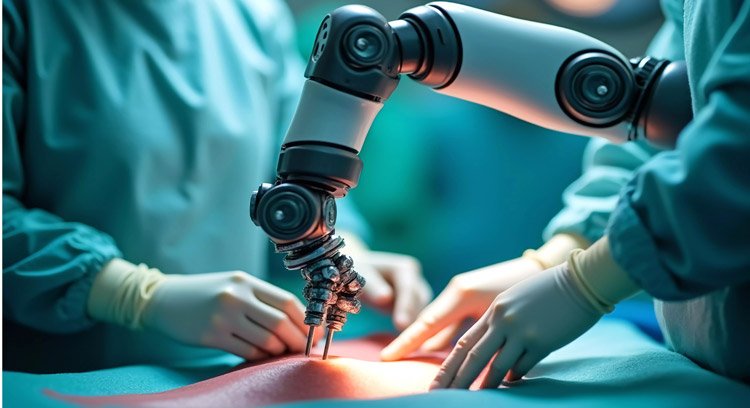
Robotic knee replacement has changed how we plan and perform joint replacement, and patients feel that difference most in their recovery. Before the procedure begins, we work from imaging that maps the patient’s specific bone structure and alignment, which gives us a surgical plan tailored to that individual rather than a standardised approach. During the operation, the robotic system helps execute that plan to sub-millimetre accuracy, guiding the bone cuts and the positioning of the implant with a precision that is difficult to achieve through manual instrumentation alone.
This precision matters because of what it does to the tissue around the joint. Accurate implant positioning and bone preparation that stays close to the plan mean the ligaments and muscle surrounding the knee are disturbed less during surgery. Less disruption to that soft tissue results in reduced post-operative pain and inflammation, which shortens the time a patient needs before they can start moving again. Many of our patients begin assisted walking within 24 to 48 hours of surgery, depending on their clinical condition.
Blood loss is another area where the difference is measurable. Robotic-assisted procedures involve more controlled bone resection and reduced manual instrumentation within the joint, which limits intraoperative bleeding. Lower blood loss during surgery reduces the likelihood of requiring a transfusion and contributes to a smoother early recovery, particularly in older patients or those with other health conditions where minimising surgical stress matters considerably.
What we emphasise to patients, considering this option, is that robotic assistance does not replace surgical judgment. The surgeon remains in control of every decision throughout the procedure. The technology improves the precision with which those decisions are executed, and it is that precision that drives the better recovery outcomes. For patients who have been living with significant knee pain and limited mobility, the combination of accurate implant placement, reduced tissue trauma, and lower blood loss means a return to daily function that is both faster and more predictable than what was typically possible a decade ago.

Dr. Rakesh Rajput is Director & Head of Department – Orthopaedics at CK Birla Hospitals – CMRI, Kolkata. He is an experienced orthopaedic surgeon with expertise in joint replacement, arthroplasty, arthroscopy, and pelvic and acetabular trauma.
Dr. Rajput has gained professional experience at several reputed hospitals in the UK, Australia and Ireland, including Frenchay Hospital, Bristol Royal Infirmary, Southmead Hospital, Musgrove Park Hospital, Yeovil Hospital, Whipps Cross Hospital, Perth Royal Hospital, Cork University Hospital and Benenden Hospital.
He has held leadership positions in various professional organisations and has served as Secretary of the West Bengal Arthroplasty Society and Joint Secretary of the Indian Arthroplasty Association. He is also President-Elect of the Pelvic & Acetabular Surgeons of India and has served as a Board Member of the Indian Medical Association and Indian Orthopaedic Association.