
India’s fertility care landscape is undergoing a profound transformation. Powered by cutting-edge reproductive technologies, stronger regulatory oversight, rising investments, and growing global confidence, the country’s IVF industry is evolving into one of the world’s most dynamic healthcare segments. As demand for assisted reproductive technologies continues to rise, India is not only expanding access for aspiring parents but also strengthening its position as a preferred destination for affordable, high-quality fertility treatment. On World IVF Day, Medical Tourism Today explores the key trends shaping the future of India’s IVF ecosystem.
World IVF Day Special | By Medical Tourism Today
—————————-
Every year on July 25, the global healthcare community marks World IVF Day, commemorating the birth of Louise Brown, the world’s first baby conceived through in-vitro fertilization (IVF) in 1978. Over the past 48 years, IVF has evolved from a groundbreaking scientific achievement into one of modern medicine’s most successful reproductive technologies, helping millions of couples worldwide achieve parenthood.
For India, however, World IVF Day is no longer just a celebration of scientific progress—it reflects the remarkable transformation of one of the country’s fastest-growing healthcare sectors. Today, India’s fertility industry is undergoing a profound shift, driven by technological innovation, stronger regulatory oversight, institutional investments, expanding access, and growing international demand. The result is an increasingly sophisticated ecosystem that is not only addressing infertility within the country but also strengthening India’s position as a leading global destination for fertility treatment.
A Growing Healthcare Challenge
Infertility is emerging as a major public health concern worldwide. According to the World Health Organization (WHO), approximately 17.5% of adults globally—around one in six people—experience infertility at some point during their reproductive years, highlighting the need for accessible and affordable fertility care.
India reflects this global trend. Fertility specialists across the country report a steady increase in consultations from younger couples as well as individuals seeking fertility preservation. Delayed marriages, late pregnancies, rising obesity, diabetes, polycystic ovary syndrome (PCOS), environmental pollution, stress, sedentary lifestyles, and declining reproductive health are among the major contributors to the growing demand for assisted reproductive technologies (ART).
At the same time, social stigma surrounding infertility is gradually diminishing. More couples are openly seeking medical advice rather than delaying treatment for years, leading to greater acceptance of IVF as a standard medical solution rather than a last resort.
India Has Become One of the World’s Largest IVF Markets
India has rapidly emerged as one of the world’s largest fertility treatment markets.
Industry estimates indicate that more than 300,000 IVF cycles are now performed annually, with demand continuing to grow each year. Yet experts believe this represents only a fraction of the country’s actual treatment potential, as millions of couples who could benefit from assisted reproduction still lack access due to affordability, awareness, or geographic limitations.
Multiple independent market research firms project double-digit annual growth for India’s fertility services sector through the next decade, supported by rising infertility rates, improving healthcare infrastructure, increasing awareness, and higher disposable incomes.
Unlike a decade ago, IVF is no longer viewed as a niche specialty confined to metropolitan hospitals. It has evolved into an organized healthcare industry attracting hospitals, investors, technology companies, insurers, and international patients.
Technology Is Revolutionizing Fertility Care
Perhaps the most significant transformation is taking place inside IVF laboratories.
Advanced embryology technologies are helping fertility specialists improve precision while making treatments safer and more personalized.
Modern fertility centres are increasingly adopting:
- Artificial intelligence (AI)-assisted embryo assessment
- Time-lapse embryo incubators
- Laser-assisted hatching
- Advanced cryopreservation (vitrification)
- Genetic testing of embryos where clinically indicated
- Digital laboratory monitoring systems
- Automated quality-control protocols
Artificial intelligence has emerged as one of the most promising innovations. AI-powered software analyses thousands of embryo images and developmental patterns to assist embryologists in selecting embryos with higher implantation potential. While final decisions remain with clinicians, AI is improving consistency and reducing subjectivity during embryo evaluation.
Similarly, vitrification technology has dramatically improved embryo and egg freezing success rates. Frozen embryo transfers have become increasingly common, allowing physicians to optimize the timing of implantation while improving patient convenience.
These innovations are contributing to higher laboratory efficiency and more individualized treatment planning.
Regulation Is Bringing Greater Transparency
For many years, India’s fertility industry operated with limited regulatory oversight, resulting in considerable variation in clinical practices.
That landscape changed with the implementation of the Assisted Reproductive Technology (Regulation) Act, 2021 and the Surrogacy (Regulation) Act, 2021.
The legislation introduced mandatory registration of ART clinics and gamete banks, defined operational standards, strengthened record-keeping requirements, established ethical safeguards, and enhanced accountability throughout the fertility ecosystem.
Although compliance has required operational changes for many clinics, the regulations are helping improve transparency, patient safety, and public confidence. The shift is also encouraging greater standardization across laboratories and clinical protocols, bringing India’s fertility sector closer to international best practices.
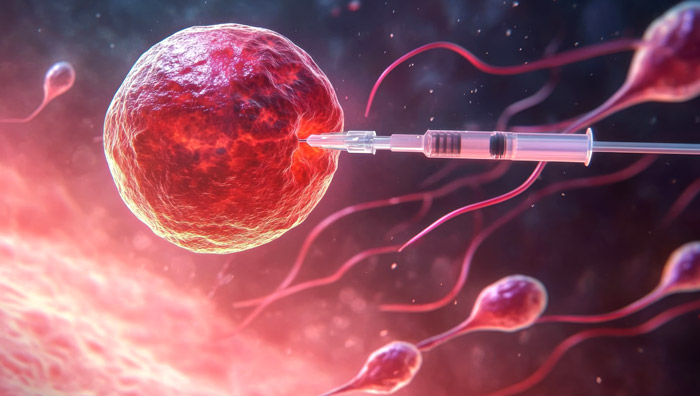
Fertility Chains are Expanding Beyond Metropolitan Cities
The geographical profile of India’s IVF industry is changing rapidly.
Until recently, advanced fertility treatment was concentrated in metropolitan cities such as Delhi, Mumbai, Bengaluru, Chennai, Hyderabad, and Kolkata.
Today, organized fertility networks are aggressively expanding into Tier-II and Tier-III cities including Indore, Jaipur, Lucknow, Coimbatore, Kochi, Surat, Nagpur, Bhubaneswar, Guwahati, and several emerging healthcare hubs.
This expansion is making advanced reproductive care more accessible while reducing travel costs and treatment delays for patients.
The emergence of standardized multi-city fertility networks is also helping ensure consistent laboratory quality, centralized quality assurance, and access to experienced specialists across multiple locations.
Investment Activity Is Accelerating Industry Consolidation
India’s IVF sector has become one of the most attractive investment segments within healthcare.
Over the past few years, private equity firms, healthcare-focused investment funds, and strategic investors have significantly increased their participation in the fertility industry.
Large organized fertility chains continue to expand through acquisitions, greenfield centres, and strategic partnerships. Several hospital groups are also strengthening their reproductive medicine divisions to capitalize on rising patient demand.
This institutional investment is enabling clinics to invest in advanced laboratories, sophisticated equipment, digital technologies, internationally trained embryologists, and standardized clinical governance.
Industry analysts believe consolidation will continue as organized players expand nationally while smaller independent clinics increasingly collaborate with larger healthcare networks.
Digital Healthcare Is Enhancing Patient Experience
Digital transformation has become another defining characteristic of India’s evolving fertility landscape.
Many fertility centres now provide virtual consultations, digital treatment planning, online counselling, electronic medical records, medication reminders, and remote monitoring through dedicated patient applications.
These digital services have significantly improved continuity of care, particularly for international patients and couples travelling from smaller cities.
Digital platforms are also helping fertility specialists educate patients regarding treatment timelines, medication schedules, lifestyle modifications, and emotional support throughout the IVF journey.
Fertility Preservation Is Becoming Part of Preventive Healthcare
Another important shift is the growing acceptance of fertility preservation.
Egg freezing is increasingly being considered by women who wish to delay parenthood because of higher education, career priorities, or personal circumstances.
Similarly, oncologists and fertility specialists are collaborating more closely to offer fertility preservation before chemotherapy or radiation therapy, ensuring cancer patients have future reproductive options.
This represents a broader transition from infertility treatment toward proactive reproductive planning.
India’s Competitive Advantage in Medical Tourism
India has long been recognized as one of the world’s most cost-effective destinations for advanced fertility treatment.
Compared with many Western countries, IVF procedures in India are available at substantially lower costs while maintaining internationally accepted clinical standards.
International patients continue to travel to India from Africa, the Middle East, South Asia, Central Asia, and increasingly from Europe and North America.
Several factors contribute to India’s growing attractiveness:
- Highly experienced fertility specialists
- Internationally accredited hospitals and laboratories
- Modern embryology infrastructure
- English-speaking healthcare professionals
- Short waiting periods
- Comprehensive fertility treatment packages
- Integration with advanced specialties such as genetics, minimally invasive gynecology, endocrinology, and maternal medicine
For many overseas patients, India offers a combination of affordability, clinical expertise, and comprehensive care that remains difficult to match.
Awareness Is Improving, but Challenges Remain
Despite rapid progress, important challenges continue to limit access to fertility care.
Treatment affordability remains a major barrier, particularly because many couples require more than one IVF cycle before achieving pregnancy. Insurance coverage for fertility treatment also remains limited in India.
The country also faces shortages of highly skilled embryologists and reproductive specialists, while awareness about infertility, particularly in rural areas, still requires significant improvement.
Medical experts emphasize that IVF success depends on multiple factors, including maternal age, egg quality, sperm health, embryo quality, and underlying medical conditions. Early evaluation and timely intervention remain critical for improving outcomes.
The Next Phase of Growth
India’s fertility industry is entering a new era where scientific innovation, digital health, ethical regulation, and organized healthcare delivery are converging.
Experts expect the next decade to be shaped by:
- Wider adoption of artificial intelligence in embryology
- Precision reproductive medicine
- Expanded genetic diagnostics
- Increased fertility preservation services
- Greater integration of reproductive and women’s healthcare
- Continued expansion into underserved regions
- Rising international patient inflows
- Stronger collaboration between fertility centres and multispecialty hospitals
As healthcare becomes increasingly technology-driven, India’s fertility sector is well positioned to become one of the world’s leading centres for advanced reproductive medicine.
The transformation of India’s IVF industry extends far beyond rising patient numbers. It represents the evolution of an entire healthcare ecosystem.
Technology is improving clinical precision. Regulatory reforms are strengthening patient trust. Institutional investment is accelerating expansion. Digital health is enhancing accessibility. Medical tourism is bringing international recognition. And growing public awareness is helping normalize conversations around infertility.
On this World IVF Day, India’s fertility journey stands as a powerful example of how innovation, evidence-based medicine, ethical governance, and patient-centric care can collectively reshape reproductive healthcare.
For millions of aspiring parents—both within India and across the globe—the country’s rapidly evolving IVF ecosystem offers not just advanced treatment, but renewed hope.