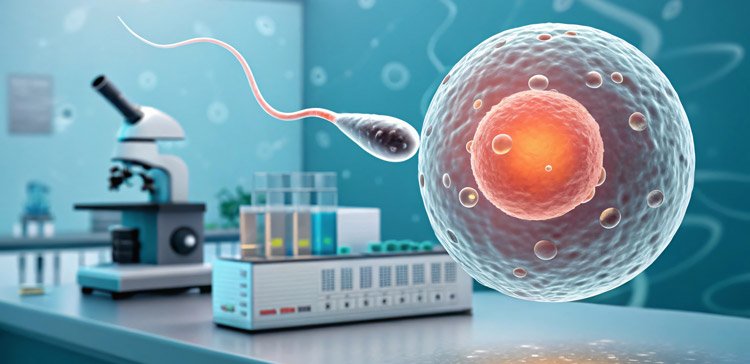
Indira IVF Hospital Limited has launched a collaborative research initiative with three organisations from Brazil, Taiwan and India to investigate the genetic factors contributing to male infertility and their implications for fertility treatment outcomes.
The research will focus on double-strand DNA breaks (DSBs) in sperm and examine how this type of genetic damage influences reproductive outcomes and the success of assisted reproductive technology (ART).
The collaboration brings together Brazil-based Androfert, Taiwan’s Bonraybio Co Ltd and India’s ADVY Bioscience Private Limited. The partners will undertake prospective clinical studies to gain deeper insights into sperm DNA integrity and its role in male reproductive health.
Prof. Sandro C. Esteves, Medical Director of Androfert and an internationally recognised specialist in male infertility and reproductive medicine, will co-lead the initiative alongside Dr. Vipin Chandra, who will head the research from Indira IVF.
According to the company, male infertility contributes to nearly 40% of infertility cases globally. However, the clinical significance of sperm DNA double-strand breaks is not yet fully understood. While conventional sperm DNA fragmentation tests provide useful information about sperm health, further research is needed to understand the specific impact of this form of DNA damage.
The study aims to improve scientific understanding of sperm genomic integrity and pave the way for more accurate diagnostic methods and targeted treatment strategies in assisted reproductive technology.
The need for such research is underscored by rising infertility trends in South Asia. Data from the Global Burden of Disease study, led by the Institute for Health Metrics and Evaluation (IHME), Washington, indicate that male infertility prevalence in the region increased by approximately 47% between 1990 and 2021.
India recorded the sharpest rise, with prevalence increasing by nearly 59% during the same period. The increase was particularly notable among younger men, especially those in their late twenties.
The international research partnership highlights the growing importance of understanding male infertility at the genetic level. Its findings could contribute to improved diagnostic precision, more personalised fertility care and better reproductive outcomes for couples undergoing assisted fertility treatments.