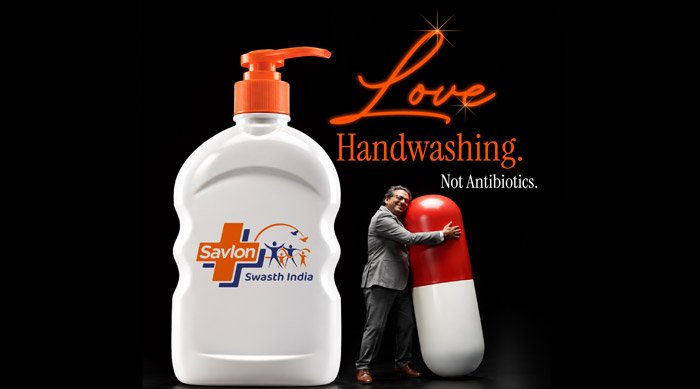
- Savlon Swasth India Mission launches the #WeLoveAntibiotics campaign.
- Raising awareness on antimicrobial resistance and responsible antibiotic consumption, the campaign highlights the critical role of hand hygiene in infection prevention.
National, November 18, 2026: What happens when an antibiotic stops working against an infection it was once able to treat? A simple bacterial infection could become difficult to cure, treatment options could become limited, and the consequences could extend far beyond an individual patient. This is the growing challenge of Antimicrobial Resistance (AMR), one of the most serious public health threats facing the world today.
Antibiotics have transformed modern medicine, making once life-threatening bacterial infections treatable and saving millions of lives. However, their increasing and inappropriate use is accelerating AMR. When bacteria are repeatedly exposed to antibiotics, they can evolve and develop mechanisms to survive these medicines.
Addressing AMR requires a two-pronged approach: Antimicrobial Stewardship programmes that promote responsible use of antibiotics, alongside effective infection prevention through hand hygiene. Number of scientific studies have highlighted that combining Antimicrobial Stewardship with hand hygiene interventions can significantly reduce the spread of AMR bacteria*. This is where the Butterfly Effect of handwashing comes into play – a simple habit of frequently washing hands with soap or handwash can stop germs from becoming infections, thereby reducing the incidence of AMR.
With World AMR Awareness Week (18th –24th November), ITC’s Savlon Swasth India Mission (SSIM) is bringing this important global health conversation closer to Indian consumers through its campaign #WeLoveAntibiotics. The campaign aims to make a serious public health issue, easier to understand through an engaging, relatable narrative, encouraging people to rethink their relationship with antibiotics and recognise the importance of hand hygiene.
Commenting on the initiative, Sameer Satpathy, Divisional Chief Executive, Personal Care Products Business, ITC Limited, said, “Through Savlon Swasth India Mission, we have consistently worked towards encouraging behavioural change around hand hygiene. Antimicrobial Resistance is a growing public health challenge that requires greater awareness and collective action. Hand hygiene in-home, and in hospital settings is a critical component of infection prevention and control. #WeLoveAntibiotics brings a powerful message by sparking an engaging conversation on responsible consumption of antibiotics to reduce AMR, coupled with hand hygiene to prevent infections.”
Dr. Vijay Yewale, Infectious Disease Specialist and Consultant Paediatrician at Apollo Hospitals, said, “One of the common mistakes we make is reaching for antibiotics whenever we or our children fall sick. We sometimes reuse an old prescription, take leftover medicines or stop antibiotics as soon as we start feeling better. Antibiotics also do not work against viral infections such as the common cold. We need to become more conscious of how and when we use antibiotics. Equally important is preventing infections through simple everyday practices such as regular handwashing and keeping our surroundings clean. Preventing an infection is always better than needing to treat one.”
This World AMR Awareness Week, Savlon Swasth India Mission encourages consumers to recognise the power of preventing infections through building everyday hygiene habits. Because the fight against AMR is not limited to hospitals, laboratories or medical professionals. It also begins with the small choices we make every day.
To know more on AMR, log on to our website.
About Savlon Swasth India Mission
Since its inception in 2016, ITC’s Savlon Swasth India Mission has been working towards creating awareness and encouraging behavioural change around hand hygiene, particularly among children. Through innovative programmes and communication initiatives, the mission aims to inculcate the habit of washing hands with soap and handwash. Having reached over 68,000 schools and touched the lives of more than 1.59 crore children, the initiative continues to explore engaging ways to promote hygiene awareness and contribute to the prevention of infections.
Research reference
*Brink, A.J. and Richards, G.A. (2022). Antimicrobial Stewardship: Leveraging the “Butterfly Effect” of Hand Hygiene. Antibiotics, 11(10), 1348.