By Dr. Goutham Kumar AP, Consultant in Internal Medicine, Dr. Mehta’s Hospitals
Many people believe that fatty liver disease affects only those who consume alcohol regularly. However, doctors are increasingly diagnosing the condition in people who do not drink alcohol at all. Even more surprising is that many of these patients are slim and appear perfectly healthy.
One of the biggest misconceptions I encounter in clinical practice is that only overweight individuals develop fatty liver disease. Increasingly, we are seeing the condition in people who have a normal body weight but underlying metabolic abnormalities.
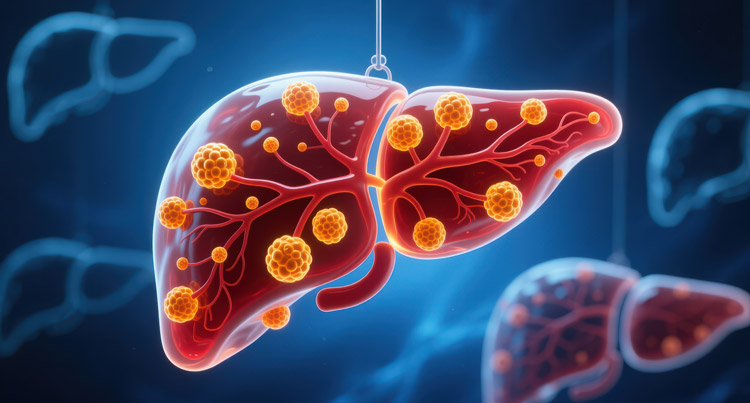
The condition is now known as Metabolic Dysfunction-Associated Steatotic Liver Disease (MASLD), previously referred to as Non-Alcoholic Fatty Liver Disease (NAFLD). It occurs when excess fat accumulates in the liver due to metabolic dysfunction rather than alcohol consumption.
A Silent Epidemic
MASLD is now the most common chronic liver disease worldwide, affecting nearly 25–30% of adults. The burden is even greater among people with diabetes, with studies suggesting that 50–70% may also have fatty liver disease.
A nationwide study published in The Lancet Regional Health – Southeast Asia estimated that nearly four in ten Indian adults may have MASLD.
Doctors are particularly concerned about the growing prevalence of Lean MASLD, where fatty liver develops in people with a normal body weight. Studies suggest that nearly one in five people with fatty liver has a normal body weight, with Asian populations appearing to be especially vulnerable.
Why Are Slim People Developing Fatty Liver?
The answer lies not in body weight alone but in overall metabolic health.
A person may appear slim but still carry excess fat around internal organs such as the liver, pancreas, and intestines. This hidden fat, known as visceral fat, is metabolically active and far more harmful than the fat stored beneath the skin.
Modern lifestyles are contributing significantly to this problem. Long working hours, prolonged sitting, lack of physical activity, poor sleep, chronic stress, frequent consumption of processed foods, sugary beverages, and refined carbohydrates all increase the risk of developing MASLD.
Why Are Indians at Higher Risk?
India continues to carry one of the world’s largest diabetes burdens, making metabolic diseases such as MASLD an increasingly important public health concern.
What is particularly concerning is that diabetes is no longer confined to older adults. Increasing numbers of young adults, adolescents, and even children are now being diagnosed with metabolic disorders, reflecting changing lifestyles and dietary patterns.
South Asians are known to develop insulin resistance at lower body weights compared with Western populations. Insulin resistance promotes fat accumulation in the liver, making Indians more susceptible to MASLD even when they are not overweight.
Warning Signs Are Often Missed
One of the greatest challenges is that MASLD is often completely silent in its early stages.
Many people discover they have the condition only during routine health checkups or while undergoing an ultrasound scan for an unrelated reason.
Some early symptoms may include:
- Persistent tiredness
- Feeling full quickly after meals
- Frequent bloating or abdominal discomfort
However, these symptoms are often mild, non-specific, and easily ignored.
Why Should MASLD Be Taken Seriously?
If left undetected and unmanaged, MASLD can gradually progress to liver fibrosis, cirrhosis, liver failure, and, in some cases, liver cancer.
The consequences extend far beyond the liver. Research has shown that people with MASLD have a significantly higher risk of:
- Type 2 diabetes
- Heart attack
- Stroke
- Chronic kidney disease
Importantly, cardiovascular disease remains the leading cause of death among people living with MASLD, highlighting that this is far more than a liver disease alone.
How Is MASLD Diagnosed?
Doctors can detect MASLD through:
- Blood tests
- Ultrasound scan of the abdomen
- FibroScan, a specialised test that measures liver fat and fibrosis
Who Is at Higher Risk and Should Consider Screening?
Screening is particularly recommended for:
- People with diabetes
- Individuals with high blood pressure
- Those with high cholesterol or triglycerides
- People with increased waist circumference
- Women with Polycystic Ovary Syndrome (PCOS)
- Individuals with obstructive sleep apnoea
- Anyone with a family history of diabetes or liver disease
Can MASLD Be Reversed?
The good news is that early-stage MASLD can often be reversed, especially when detected early.
Doctors recommend the following lifestyle measures:
- Drinking 3–6 cups of black coffee without sugar each day has been associated with beneficial effects on liver health.
- Reduce processed foods, sugary beverages, and refined carbohydrates.
- Eat a balanced diet rich in vegetables, fruits, whole grains, fibre, and lean sources of protein.
- Exercise regularly, aiming for at least 150 minutes of moderate physical activity each week.
- Include muscle-strengthening exercises at least twice a week.
- Get 7–8 hours of quality sleep every night.
- Keep diabetes, blood pressure, and cholesterol under good control.
- Avoid or minimise alcohol consumption.
The Bottom Line
Being slim does not always mean being metabolically healthy. Fatty liver disease is increasingly affecting people who appear healthy but have hidden metabolic abnormalities.
The encouraging news is that early-stage MASLD is often reversible. Timely screening, healthy lifestyle choices, and effective control of diabetes and other metabolic conditions can help prevent long-term liver damage and significantly improve overall health.
The earlier MASLD is diagnosed and managed, the easier it is to reverse and the better the chances of preventing serious complications in the future.

Dr. Goutham Kumar AP is a Consultant, Internal Medicine at Dr. Mehta’s Hospitals, Chennai.