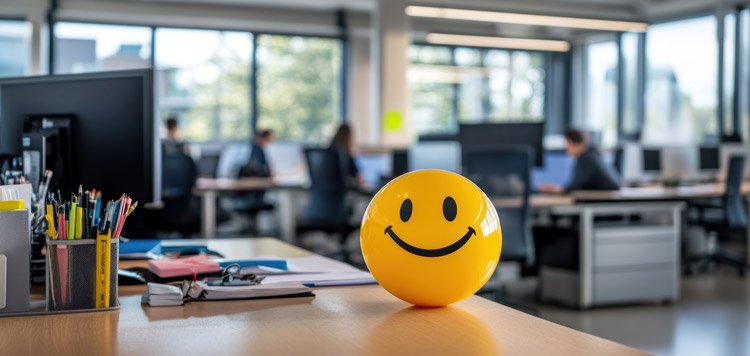
Discover practical workplace wellness strategies, including ergonomics, managing screen time, office nutrition, hybrid work health, and achieving a healthy work-life balance for a more productive workforce.
By Shinto Kallattu
From ergonomic workspaces and balanced nutrition to hybrid work strategies and mental well-being, workplace wellness has become a cornerstone of employee health and organizational success.
The modern workplace has evolved dramatically over the past decade. While technology and hybrid work models have improved flexibility and productivity, they have also introduced new health challenges, including prolonged sitting, excessive screen time, poor eating habits, work-related stress, and blurred boundaries between professional and personal life. As a result, workplace wellness is no longer viewed as an employee benefit—it is an essential component of a healthy, productive, and resilient workforce.hybrid work
Organizations that invest in employee well-being often experience improved engagement, reduced absenteeism, higher productivity, and greater job satisfaction. Creating a culture of wellness requires a holistic approach that supports both physical and mental health while encouraging sustainable lifestyle habits.
Ergonomics: Designing Workspaces for Better Health
Ergonomics focuses on designing work environments that fit the individual rather than forcing the individual to adapt to the workspace. Poor posture, uncomfortable seating, and improperly positioned computer screens can contribute to neck pain, back pain, shoulder strain, eye fatigue, and repetitive stress injuries.
A well-designed workstation can significantly reduce these risks. Employees should sit with their feet flat on the floor, knees bent at approximately 90 degrees, and their back supported by an ergonomic chair. The computer monitor should be positioned at eye level, about an arm’s length away, while the keyboard and mouse should allow the wrists to remain in a neutral position.
Equally important is reducing prolonged sitting. Standing up, stretching, or walking for a few minutes every hour helps improve circulation, reduce muscle stiffness, and lower the health risks associated with sedentary behaviour. Many organizations are also introducing sit-stand desks and flexible workstations to encourage movement throughout the day.
Managing Screen Time in a Digital Workplace
Digital devices have become indispensable, but excessive screen exposure can negatively affect both physical and mental health. Extended screen time is commonly associated with digital eye strain, headaches, dry eyes, reduced concentration, and sleep disturbances, particularly when devices are used late into the evening.
Simple habits can help minimise these effects. The widely recommended 20-20-20 rule encourages employees to look at an object about 20 feet away for at least 20 seconds every 20 minutes to reduce eye fatigue. Adjusting screen brightness, maintaining appropriate viewing distance, and ensuring adequate workplace lighting also support visual comfort.
Taking regular breaks away from screens allows the eyes and mind to recover while improving focus and productivity. Employers can further promote digital wellness by encouraging meeting-free periods, limiting unnecessary virtual meetings, and fostering healthier communication practices.
Office Nutrition: Fueling Performance Throughout the Day
Healthy eating plays a crucial role in maintaining energy, concentration, and overall workplace performance. Busy schedules often lead employees to skip meals or rely on processed snacks and sugary beverages that provide short-term energy but contribute to fatigue later in the day.
A balanced diet rich in vegetables, fruits, whole grains, lean proteins, legumes, nuts, and healthy fats helps maintain stable energy levels and supports long-term health. Choosing nutritious snacks such as fresh fruit, yogurt, nuts, or roasted chickpeas instead of highly processed foods can improve productivity while reducing unnecessary calorie intake.
Hydration is equally important. Even mild dehydration can affect concentration, mood, and cognitive performance. Keeping water readily available in the workplace and encouraging regular fluid intake supports both physical health and mental alertness.
Organizations can reinforce healthy eating habits by offering nutritious cafeteria options, healthier vending machine choices, educational wellness sessions, and access to dietitian-led nutrition programmes.

Staying Healthy in the Hybrid Work Era
Hybrid work has become a permanent feature of many organizations, offering flexibility and improved work-life integration. However, it also presents unique health challenges. Employees working from home may spend longer hours sitting, experience reduced physical activity, or work in spaces that are not ergonomically designed.
Maintaining a consistent daily routine is essential. Setting fixed working hours, taking scheduled breaks, creating a dedicated workspace, and incorporating physical activity into the day help establish healthier work habits. Even short walks, stretching exercises, or brief home workouts between meetings can reduce the effects of prolonged sitting.
Communication also plays an important role in hybrid work. Regular virtual check-ins, team interactions, and wellness initiatives help reduce feelings of isolation while supporting collaboration and employee engagement.
Achieving a Healthy Work-Life Balance
One of the greatest challenges in today’s connected world is maintaining clear boundaries between work and personal life. Smartphones, laptops, and constant connectivity can make it difficult for employees to disconnect after working hours, increasing the risk of stress and burnout.
Healthy work-life balance begins with setting realistic boundaries. Establishing fixed work schedules, avoiding unnecessary work-related communication outside office hours, and taking regular annual leave contribute to better mental and emotional well-being.
Employers also have a responsibility to create supportive workplace cultures that value employee wellness alongside performance. Flexible working arrangements, manageable workloads, access to mental health resources, and open communication encourage healthier and more sustainable work environments.
Outside work, engaging in hobbies, spending time with family and friends, exercising regularly, and ensuring adequate sleep all contribute to greater resilience and improved overall well-being.
Creating a Culture of Workplace Wellness
Successful workplace wellness programmes extend beyond occasional fitness challenges or health camps. They are built on a long-term commitment to employee health through supportive leadership, inclusive policies, and continuous education.
Effective initiatives may include preventive health screenings, vaccination programmes, mental health support, ergonomic assessments, fitness activities, stress management workshops, and health awareness campaigns. Encouraging employees to participate in wellness programmes while recognising individual needs helps create an environment where healthy choices become part of everyday work culture.
When employees feel physically healthy, mentally supported, and valued by their organization, they are more likely to remain motivated, productive, and engaged.
Workplace wellness is an investment in people as much as it is an investment in organizational success. By prioritising ergonomics, promoting healthy nutrition, managing screen time, supporting hybrid work practices, and encouraging a balanced work-life culture, employers can create healthier, happier, and more productive workplaces. As the future of work continues to evolve, organizations that place employee well-being at the centre of their strategy will be better positioned to build resilient teams, improve performance, and foster long-term success.