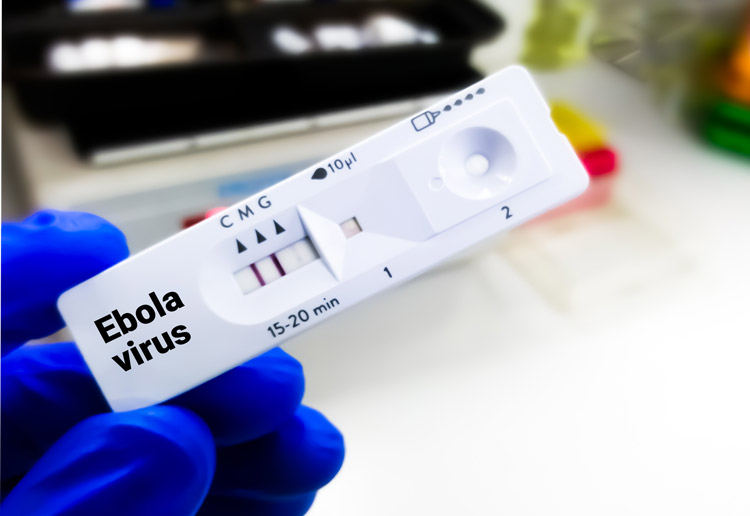
India has not reported any cases of Ebola virus disease, but health authorities have advised citizens and travellers to remain cautious amid a renewed outbreak in parts of Africa.
On June 2, 2026, the Ministry of Health and Family Welfare issued a public advisory confirming that the country remains free of Ebola infections. At the same time, the ministry called for increased vigilance, particularly among people who have recently visited or passed through nations affected by the outbreak.
In a message shared on X, the ministry stated: “Health advisory on Ebola disease. As on June 2, 2026, there are no cases of Ebola disease reported in the country.”
The advisory urges travellers arriving from Ebola-affected regions to closely monitor their health for 21 days, which corresponds to the virus’s maximum known incubation period. This observation window is widely adopted by international health agencies for disease surveillance and contact tracing.
Individuals who develop symptoms during this period are advised to act immediately. Warning signs may include fever, headache, muscle aches, vomiting, diarrhoea, or unexplained bleeding.
“However, if you have travelled from or transited through an Ebola-affected country in the last 21 days and develop symptoms such as fever, headache, muscle pain, vomiting, diarrhoea, or unexplained bleeding, etc., isolate yourself and inform local health authorities,” it explained.
The government has emphasized that early detection and reporting are essential in controlling the spread of the disease. Citizens seeking guidance or medical assistance can contact the national 24-hour Health Helpline at 1075.
“Early reporting can save lives and help prevent the spread of disease,” the ministry mentioned.
The latest advisory follows growing international concern over new Ebola cases reported in certain African countries, leading many nations to strengthen monitoring measures at borders and healthcare facilities.
According to the World Health Organization, Ebola is a serious and often deadly viral disease affecting humans. Historical outbreaks have shown fatality rates ranging from 25 percent to 90 percent, with an average mortality rate of around 50 percent.
The virus spreads through direct contact with blood, bodily fluids, secretions, tissues, or organs of infected people or animals. Public health experts note that rapid identification, isolation, and monitoring of suspected cases remain the most effective tools for preventing wider transmission.
While India remains free from Ebola infections, authorities are taking preventive measures to ensure preparedness. Health officials continue to encourage travellers from affected regions to remain alert, monitor symptoms carefully, and seek medical assistance promptly if required. Maintaining awareness and reporting symptoms early are key steps in preventing the disease from spreading.