From tranquil mountain retreats to serene coastal landscapes, India welcomes thousands of global wellness travellers and patients seeking the timeless benefits of Ayurveda. More than a traditional healing system, Ayurveda offers a holistic path to wellness through natural therapies, personalized care, mindful living, and ancient wisdom that restore harmony, vitality, and overall well-being.
By Dominic Joseph
(MD – Kerala Ayurveda Life & DJ Kerala Ayurveda, New Delhi)
———————————-
Ayurveda — literally “science of life” — is India’s ancient system of holistic medicine. For centuries it has blended herbal remedies, therapeutic massage, dietary guidance and lifestyle practices to restore balance and health. In recent decades, Ayurveda Tourism has grown into a meaningful travel niche: visitors from around the world come to India to experience authentic Panchakarma detoxes, restorative Rasayan therapies, and wellness-focused retreats set in lush backdrops. This article explores why Ayurveda tourism in India is unique, where to go, what to expect, and how to plan a safe, restorative trip.
Why choose Ayurveda tourism in India?
Visiting India for Ayurveda is different from booking a spa treatment overseas. Here you get:
- Authenticity: Many Ayurvedic centres in India follow classical texts and use locally grown medicinal herbs and oils.
- Depth of treatment: Programs range from single-session therapies to intensive Panchakarma courses lasting 7–28 days — long enough to produce real physiological and mental shifts.
- Cultural immersion: Meals, meditation, yoga, and consultations with Ayurvedic physicians (vaidyas) are woven into the stay, giving a holistic experience rather than a single-service visit.
- Affordability and variety: Prices vary widely — from budget clinics to luxury Ayurvedic resorts — and many regions specialize in different styles and approaches.
Ayurveda’s written roots go back thousands of years in texts such as the Charaka Samhita and Sushruta Samhita. Historically it developed through regional traditions — what’s practiced in Kerala today differs in technique and emphasis from Ayurvedic approaches in the Himalayan regions or Tamil Nadu. Modern Ayurveda tourism began to expand in the late 20th century, as Western seekers and domestic travellers looked for alternative, preventive health solutions.
Top destinations for Ayurveda tourism
Kerala — the epicentre
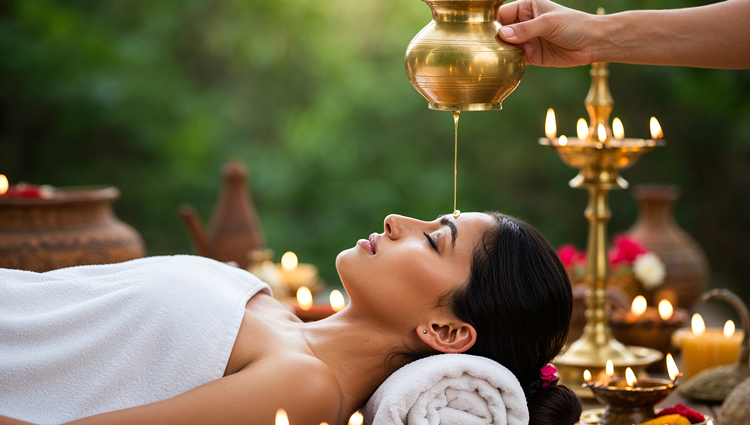
Kerala on India’s southwest coast is often the first place people think of for Ayurveda. The state’s humid, tropical climate supports the cultivation of many medicinal plants. Kerala’s vaidyas are famous for their expertise in Panchakarma, Abhyanga (oil massage), shirodhara (warm oil poured over the forehead) and rejuvenation therapies. The combination of trained practitioners, traditional oil formulations, and scenic locations (backwaters, coconut groves) makes Kerala the most popular choice.
Goa — beachside wellness
Goa offers a blend of relaxed coastal vibes with Ayurvedic retreats that pair detox therapies and yoga with beach access. Many clinics cater to international visitors, offering English-speaking doctors and integrated wellness packages.
Tamil Nadu and Pondicherry — classical medicine and cultural calm
These regions offer a quieter, often more traditional style of Ayurveda. Pondicherry’s colonial architecture and coastal serenity combine well with small, expert clinics.
Karnataka — boutique retreats and Ayurvedic resorts
Areas like Coorg and parts of coastal Karnataka provide boutique resorts focused on personalized programs, often combining Ayurveda with organic food, nature walks and local culture.
Himachal Pradesh and Uttarakhand — alpine Ayurveda
Higher-altitude clinics adapt Ayurvedic principles for cooler climates, often blending ayurvedic care with Himalayan herbs and meditative retreats.
Treatments and experiences explained
Panchakarma — the flagship detox
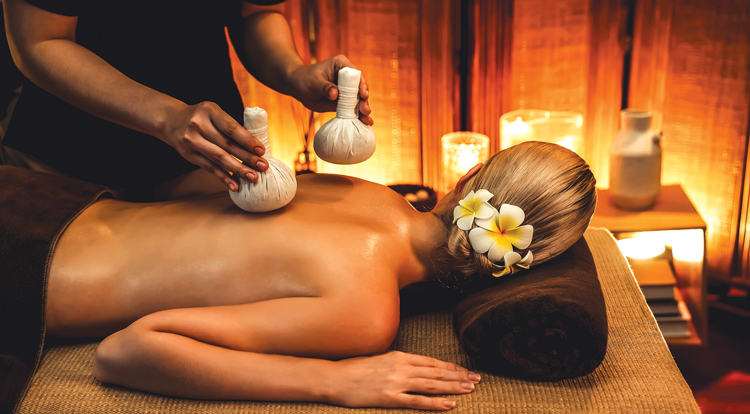
Panchakarma is a comprehensive cleansing and rejuvenation program in Ayurveda designed to eliminate accumulated toxins and restore balance to the body. While protocols vary according to an individual’s constitution and health condition, they typically include preparatory oleation (snehana), sudation (swedana), therapeutic purgation (virechana), medicated enema therapy (basti), nasal administration of medicines (nasya), and supportive herbal treatments. These programs require physician assessment and supervision and generally last between 7 and 21 days.
Abhyanga and Shirodhara
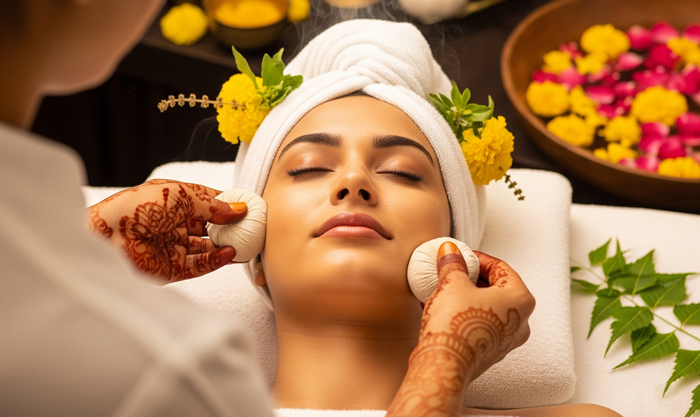
Abhyanga is an all-body oil massage using warmed herbal oils selected for your dosha (body-mind constitution). Shirodhara — a continuous stream of warm oil on the forehead — is famed for deep relaxation, improved sleep and reduced stress.
Rasayana and rejuvenation therapies
Rasayana refers to rejuvenation protocols, herbal formulations and lifestyle practices designed to improve vitality, immunity, and longevity. Many resorts offer Rasayana packages with dietary changes, herbal tonics and restorative therapies.
Yoga, meditation and diet
Authentic Ayurvedic stays combine therapeutic treatments with daily yoga, pranayama meditation and diet plans tailored to your constitution and treatment goals.
Choosing the right centre: certifications and standards
Not all Ayurvedic centres offer the same level of medical oversight. When choosing:
- Prefer centres with a registered Ayurvedic physician (BAMS or equivalent) on staff.
- Check reviews, but also look for transparency about treatment plans, potential side effects, and the exact therapies included.
- Ask about the source and quality of herbs and oils; ethical centres will use regulated, contaminant-tested products.
- For longer Panchakarma programs, request a pre-arrival medical consultation and follow-up plan.
Accommodations and packages
Options range from small clinics with shared rooms to ultra-luxury resorts offering private villas, organic cuisine, and concierge medical care. Many resorts advertise all-inclusive Ayurvedic packages — typically listing the number of treatments per day, consultations, meals and guided activities. Compare what’s included carefully (transportation, tests, special herbs, and follow-up care can add to the cost).
Practical travel tips
- Best time to go: Kerala is pleasant year-round, but many visitors prefer the cooler months (October–March). Monsoon season (June–September) is also popular for Panchakarma since the body is said to respond well to treatments during this time, but heavy rains can affect travel plans.
- Program length: For meaningful results choose at least 7–14 days; true Panchakarma programs often require 14–28 days.
- Costs: Prices vary widely — budget clinics may charge a few hundred dollars for a week of basic therapies; reputable mid-range retreats charge more, and luxury resorts can cost several thousand dollars for comprehensive multi-week programs.
- Packing: Lightweight clothing, comfortable shoes for walking, modest swimwear if the resort has a pool, and any prescription medications. Carry copies of medical records if you have chronic conditions.
Health, safety and contraindications
Ayurvedic therapies are generally safe when administered by trained professionals. However:
- Some detox procedures are intense; people with serious medical conditions (heart disease, uncontrolled diabetes, pregnancy, active infections) should consult their primary physician and usually avoid intensive Panchakarma.
- Be candid about medications you take — some herbal formulations may interact with pharmaceuticals.
- Ensure the centre follows hygiene protocols and has access to emergency medical care or hospital transfer if needed.
Sustainability and community impact
Ethical Ayurveda tourism supports local herb farmers, employs local practitioners, and invests in sustainable sourcing. When possible, choose centres that work with community-based suppliers and transparent supply chains to avoid contributing to overharvesting of wild medicinal plants.
Costs & planning checklist
- Research centers and read verified reviews.
- Schedule a pre-arrival consultation with the centre’s physician.
- Plan at least 7–14 days for meaningful treatment; 21+ days for deep Panchakarma.
- Budget for testing, supplements, and incidental costs.
- Check travel insurance — some policies exclude elective wellness treatments, so confirm coverage.
Ayurveda tourism in India offers a rare blend of traditional healing, cultural depth and scenic settings. Whether you want a short reset or a deep internal cleanse, India’s Ayurvedic centres provide a range of options to restore balance. Do your homework, pick a reputable centre, and approach the experience with patience — Ayurveda’s benefits often reveal themselves gradually, but the journey can be transformative.
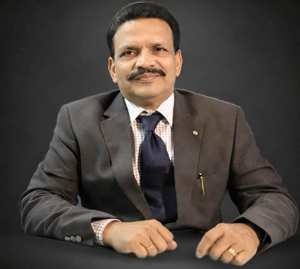
Dominic Joseph is the Managing Director of two renowned Ayurvedic wellness centres — Kerala Ayurveda Life and DJ Kerala Ayurveda — located in Green Park, New Delhi (djayurveda.com). With a deep commitment to promoting authentic Ayurvedic healthcare, he has played a significant role in making traditional Indian healing accessible to a wider audience.
He is the Founder of the Ayur Arogya Foundation, a non-profit organisation dedicated to advancing Ayurveda, promoting preventive healthcare, and supporting community welfare through various social initiatives.
Recognized for his integrity, humility, and service-driven leadership, Dominic Joseph is widely respected for his vision, compassion, and unwavering commitment to public welfare. Beyond healthcare, he is also an accomplished film producer and actor in the Malayalam film industry. He currently serves as the Global Vice President of the World Malayalee Council, where he actively works to strengthen global connections and empower the Malayalee diaspora worldwide.