Prof. Dr. Raj Nagarkar
Prostate cancer is considered one of the most commonly found cancers in men globally. Surgical procedures still play a major role in rectifying this ailment for several patients. Advancements made in healthcare technology have also significantly improved surgical outcomes for this issue. Robotic-Assisted Radical Prostatectomy (RARP) is one such approach. It is a minimally invasive surgical procedure which is used to remove the entire prostate gland and nearby tissues. This is a modern approach that combines surgical expertise with advanced robotic technology to deliver greater precision and better preservation of vital functions.
What Makes Robotic Prostate Surgery Different?
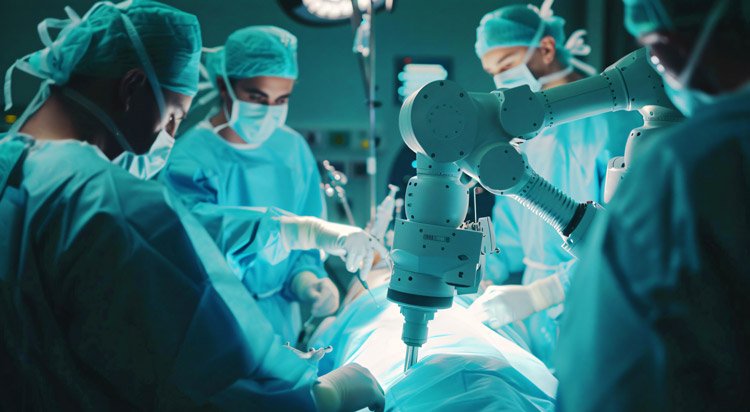
Robotic prostate cancer surgery is a minimally invasive procedure performed through small incisions using robotic instruments controlled entirely by a surgeon. The robotic equipment provides excellent high-definition 3D views of the surgical field, which gives the surgeon more control and precision in performing the operation than if they were performing the surgery themselves.
Unlike conventional surgery, robotic surgery provides improved visibility of the critical organs around the prostate, which enables the surgeon to locate and save important nerves and tissues more effectively.
Enhanced Precision Through 3D Imaging and Magnification
An advantage, robotic surgery has is its use of magnification and 3D imaging technology, which gives a high-definition view of the prostate and surrounding organs in detail. The robotic platform also helps to eliminate the natural hand tremors that might happen during surgeries. As a result, the surgeon is able to make precise movements in limited or confined spaces. The level of accuracy attained due to this helps the surgeons in safely removing the cancerous tissue while minimizing damage to nearby structures.
Better Preservation of Bladder Control
The nerves and muscles involved in urinary continence are located very close to the prostate. During a prostate cancer surgery, preserving these structures are important for maintaining bladder function and urinary control after the procedure.
The high-quality imaging and accuracy provided by robotic surgery enable the doctors to take exceptional care of the delicate tissues. In this way, many individuals get improved incontinence outcomes and faster recovery than compared with traditional surgical approaches.
Improved Preservation of Sexual Function
Sexual function is another important aspect which gets affected following a prostate cancer treatment. The nerves responsible for erectile function are located right next to the prostate and are mostly hard to preserve during the operation. The robotic-assisted surgery has enabled the use of more precise or accurate nerve-sparing techniques. This method helps in reducing the injuries that might happen to the critical nerve bundles and can help in improving preservation and recovery of sexual function after surgery.
A Safer and Less Invasive Surgical Option
Robotic prostate surgery is a comparatively safer and less invasive method for appropriately selected patients. The technique involves benefits like:
● Smaller incisions
● Reduced blood loss
● Less postoperative pain
● Lower risk of complications
● Shorter hospital stay
● Faster return to daily activities
These advantages can dramatically improve the overall treatment experience and recovery.
Postoperative benefits and Improved quality of life
Prostate cancer therapy involves more than just having control over the cancer itself. It is important for a patient to maintain urinary function, preserve sexual activity, and have a smooth recovery for long term well-being.
robotic-assisted prostatectomy functions by combining the modern technologies like imaging, magnification, and surgical precision to ensure the surgical quality and improved functional outcomes. And as a result, this translates into better quality of life after treatment for the patients.

Prof. Dr. Raj Nagarkar is the Chief of Surgical Oncology & Robotic Services, Managing Director, HCG Manavata Cancer Centre, Nashik.
Click here to know more about Prof. Dr. Raj Nagarkar.