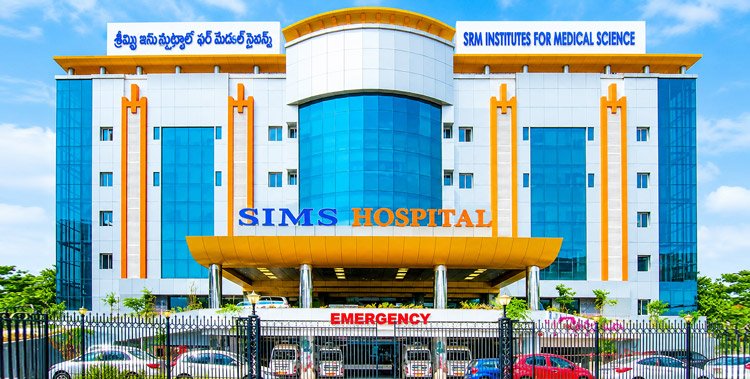
A rare and potentially fatal vascular condition threatened the life of a 10-year-old boy who experienced severe breathing difficulties and struggled to sleep. A specialist team at SIMS Hospital, Chennai, successfully performed a complex aortic reconstruction, helping the child return to normal activities.
The boy was diagnosed with Takayasu arteritis, also known as aortoarteritis, an inflammatory disease that damages blood vessels. The condition had caused a massive aneurysm (abnormal enlargement) in his aorta, the body’s main artery, creating a serious risk of rupture.
When admitted, the child was critically ill, with a rapid heartbeat and difficulty breathing. The enlarged artery was visibly pulsating through his chest wall, and he could not lie down comfortably. Weighing only around 18 kg, he presented significant surgical challenges, particularly because the aneurysm was located close to the breastbone. Conventional chest-opening techniques carried a risk of damaging the weakened vessel and causing severe bleeding.
To ensure a safer procedure, the surgical team connected the child to a heart-lung machine through blood vessels in his groin. This machine temporarily took over the functions of the heart and lungs.
Doctors then lowered his body temperature to 16°C and stopped blood circulation for approximately 40 minutes using a technique called deep hypothermic circulatory arrest. This approach reduces the oxygen requirements of vital organs, helping protect them during complex aortic surgery.
With circulation temporarily halted, surgeons removed the damaged portion of the aorta and reconstructed it using a specially designed Dacron graft, a durable medical-grade synthetic tube. The child’s body was subsequently warmed to normal temperature, and blood circulation was restored.
The procedure was led by Dr Bashi V. Velayudhan, Director and Senior Consultant, Cardiothoracic Surgery, and Dr Mohammed Idhrees, Senior Consultant, Cardiothoracic Surgery. Dr Aju Jacob and Dr Arun Kumar from the anaesthesiology team, along with nurses, perfusionists and other support staff, contributed to the operation.
Postoperative assessments confirmed that the child’s brain, kidneys, intestines and spinal cord had not sustained any damage. The reconstructed aorta and its branches were also functioning well.
The child made a steady recovery and was discharged nine days after surgery. He can now breathe comfortably, walk without difficulty and sleep normally.
Dr Bashi V. Velayudhan highlighted the complexity of replacing the aorta and its arch in a young child. He explained that reducing the body temperature to 16°C was essential to protect vital organs while circulation was stopped during the reconstruction.
Dr Mohammed Idhrees described the procedure as a significant achievement in cardiothoracic surgery. Comparing it to shutting off the water supply to an entire house to repair a major plumbing fault, he explained that the surgical team had to temporarily stop blood flow throughout the body while safeguarding its vital organs. He added that postoperative investigations confirmed that the organs remained unharmed.
The anaesthesia team also encountered considerable challenges. Dr Arun Kumar said the child’s blood pressure was extremely high and difficult to manage before surgery. His low body weight and possible tissue changes following preoperative treatment further complicated anaesthesia management and airway protection.
Dr Ravi Pachamuthu, Chairman of the SRM Group, said the successful outcome demonstrated the hospital’s capabilities and multidisciplinary teamwork in managing rare and highly complex medical conditions.
The hospital described the procedure as an Asia-first achievement and the youngest patient in its experience with this type of aortic aneurysm surgery. This distinction is based on the hospital’s claim.
Although the operation has addressed the immediate vascular threat, the child will require continued medical supervision and medication to control the underlying inflammation and reduce the risk of further aortic damage or new aneurysms.
The successful surgery highlights the role of advanced cardiothoracic techniques and coordinated specialist care in treating rare vascular conditions in children. With continued follow-up and appropriate medical management, the young patient can look forward to a healthier and more active life.
(Photo source: simshospitals.com)