
Women’s cancer care is entering a transformative era, driven by advances in early detection, precision medicine, robotic surgery and artificial intelligence. Yet, the greatest challenge remains ensuring that every woman has access to timely diagnosis, evidence-based treatment and compassionate care. In an exclusive interview with Medical Tourism Today, Dr. Neethu P.K., Consultant and Associate Professor of Gynaecological Oncology at Amrita Institute of Medical Sciences, Kochi, discusses the evolving landscape of gynaecological oncology, the importance of prevention and early intervention, and how emerging technologies are reshaping treatment outcomes. She also shares her perspective on the challenges of equitable access to advanced cancer care and India’s growing potential as a destination for specialised women’s cancer treatment.
Dr. Neethu, your journey has evolved from Obstetrics & Gynaecology to becoming a dedicated Gynaecologic Oncologist. What inspired this transition, and how has this specialization transformed your perspective on women’s cancer care?
My journey into gynaecologic oncology was driven by a deep sense of responsibility towards my patients. As an obstetrician and gynaecologist, I often cared for women until the moment they were diagnosed with cancer. At that point, I had to refer them to another specialist. Watching frightened patients and their families navigate such a life-changing diagnosis, knowing that I could no longer guide them through the rest of their journey, was emotionally difficult. I felt that they deserved continuity of care from a doctor who understood them, their fears, and their medical history.
I also believed that if I acquired the necessary expertise, I could offer comprehensive, evidence-based cancer care without compromise. This conviction motivated me to pursue formal super-specialty training through the highly competitive MCh programme in Gynaecologic Oncology. It was a conscious decision to dedicate my career to one of the most challenging yet rewarding fields in women’s health.
The transition has transformed not only my surgical skills but also my entire perspective on cancer care. While surgery remains the cornerstone of treatment for many gynaecologic cancers, optimal care extends far beyond the operating room. Modern oncology demands a thorough understanding of tumour biology, molecular diagnostics, precision medicine, systemic therapies, radiation oncology, genetics, fertility preservation, survivorship, and palliative care. It is a rapidly evolving field, with new evidence emerging continuously, requiring clinicians to critically evaluate and thoughtfully integrate advances into everyday practice.
Perhaps the greatest transformation has been in how I view each patient. Today, I see not just a disease to be treated, but a woman whose physical, emotional, reproductive, and psychological wellbeing must all be considered. My goal is not simply to cure cancer whenever possible, but to ensure that every woman receives compassionate, personalised, and evidence-based care throughout her journey—from diagnosis to treatment, recovery, and long-term survivorship.
Could you explain the major types of gynaecologic cancers? Which cancers are most common, what organs do they affect, and what are the early warning signs that women should never ignore?
Gynaecologic cancers are cancers that arise in the female reproductive organs. The five major types are cervical, ovarian, endometrial (uterine), vulvar and vaginal cancers. While each has distinct risk factors and treatment approaches, they share one important principle—early diagnosis offers the best chance of successful treatment.
Cervical cancer affects the cervix, the lower part of the uterus. It is one of the most preventable cancers because of HPV vaccination and regular cervical screening. Women should never ignore bleeding after intercourse, bleeding between menstrual periods, bleeding after menopause, or persistent foul-smelling vaginal discharge.
Ovarian cancer broadly includes malignancies arising from the ovary, fallopian tube and primary peritoneal surfaces, which are often managed within the same oncologic framework. Unlike cervical cancer, its symptoms are often subtle and nonspecific. Persistent abdominal bloating, pelvic discomfort, early satiety, unexplained abdominal enlargement, or frequent urination lasting for several weeks should prompt medical evaluation.
Endometrial cancer arises from the lining of the uterus and is now becoming increasingly common. Fortunately, it often presents with an early warning sign. Any postmenopausal bleeding warrants prompt medical evaluation. Women who have unusually heavy, prolonged or irregular menstrual bleeding should also seek medical attention.
Vulvar and vaginal cancers are less common but should not be overlooked. Persistent itching, a lump, a non-healing ulcer, skin changes, or unexplained bleeding or discharge warrant examination by a gynaecologist.
It is important to remember that these symptoms are far more commonly caused by non-cancerous conditions. However, if they persist or recur, they should never be ignored. Equally important is consulting the right specialist. Women with persistent gynaecological symptoms should seek evaluation by a gynaecologist rather than continuing to attribute their symptoms to ageing, menopause, gastric problems, or urinary infections. Reaching the right healthcare professional early can significantly shorten the time to diagnosis and treatment.
My message to women is simple: know your body, pay attention to persistent changes, and don’t delay seeking expert advice. Early diagnosis starts with awareness and timely evaluation, and these remain our strongest tools in improving outcomes.

Gynaecologic cancers are often diagnosed at advanced stages. What are the biggest challenges you see today in achieving early diagnosis?
Although we have made remarkable advances in diagnosis and treatment, many women continue to present with advanced gynaecologic cancers. The reasons are often complex and extend far beyond the disease itself.
One of the most striking observations in my practice is that I rarely meet women who say they had absolutely no warning signs. More commonly, I hear expressions of regret: “I thought it was just menopause,” “I assumed it was a gastric problem,” “I kept hoping it would go away.” These missed opportunities are heartbreaking because many gynaecologic cancers do give us a chance to detect them earlier if symptoms are recognised and evaluated promptly.
Several factors contribute to this delay. Many symptoms, particularly those of ovarian cancer, are vague and easily mistaken for common gastrointestinal or urinary problems. Women are often busy caring for their families and tend to prioritise everyone else’s health over their own. Fear of a cancer diagnosis, embarrassment, social stigma, financial concerns, and limited awareness about warning signs can all lead to postponing medical consultation. In some cases, patients seek care from multiple healthcare providers before reaching a gynaecologist, further delaying diagnosis.
At the same time, we should remember that not every delayed diagnosis is the patient’s fault. Some gynaecologic cancers are biologically aggressive and may progress rapidly despite appropriate medical attention. Our healthcare systems also need to make specialist care, organised screening programmes, and timely diagnostic services more accessible.
On the other hand, I occasionally see women whose cancers are detected during routine screening or early evaluation before significant symptoms develop. Although the diagnosis is often unexpected and emotionally overwhelming, early detection usually offers more treatment options and better outcomes. Even then, accepting a cancer diagnosis is never easy, which reminds us that emotional support is as important as medical treatment.
Ultimately, improving early diagnosis is a shared responsibility. As healthcare professionals, we must educate women, encourage appropriate screening, and maintain a high index of suspicion when warning signs are present. Women, in turn, should seek timely medical evaluation when warning signs arise. Every opportunity to diagnose cancer earlier is an opportunity to save lives and preserve quality of life.
Cervical cancer remains one of the most preventable cancers. What role do HPV vaccination and organized screening programs play in India’s fight against cervical cancer?
Cervical cancer is unique among major cancers because we have highly effective tools for both prevention and early detection. Nearly all cases are caused by persistent infection with high-risk types of the Human Papillomavirus (HPV). This gives us a tremendous opportunity to intervene before cancer develops. HPV vaccination and organised cervical screening together form the cornerstone of cervical cancer prevention and have the potential to save thousands of lives every year.
HPV vaccination is the first line of defence against cervical cancer. It is most effective when administered before exposure to the virus, ideally during early adolescence. The currently available vaccines provide excellent protection against the HPV types responsible for the majority of cervical cancers. Countries that have achieved high vaccination coverage have already reported substantial reductions in HPV infections, precancerous cervical lesions, and, more recently, cervical cancer itself. These results demonstrate that cervical cancer is no longer an inevitable disease—it is increasingly becoming a preventable one.
India has recently taken a historic step by launching a nationwide HPV vaccination programme. The Government of India now offers a free single-dose HPV vaccine to eligible 14-year-old girls through the public health system. This landmark initiative represents one of the most significant advances in women’s preventive healthcare in our country. If implemented with high coverage and sustained public awareness, it has the potential to dramatically reduce the burden of cervical cancer for future generations.
However, vaccination alone is not sufficient. The vaccine does not protect against every cancer-causing HPV type, nor does it treat existing HPV infections. Therefore, regular cervical screening remains equally important. Screening enables us to identify precancerous changes in the cervix long before they progress to invasive cancer, allowing timely treatment and preventing cancer from developing. As screening evolves from conventional cytology to HPV-based screening with risk-based management, we have an opportunity to identify women at greatest risk and intervene at the earliest possible stage.
The World Health Organization has outlined an ambitious yet achievable strategy to eliminate cervical cancer as a public health problem through its 90-70-90 targets: vaccinating 90% of girls against HPV by the age of 15 years, screening 70% of women with a high-performance test by the ages of 35 and 45 years, and ensuring that 90% of women diagnosed with precancer or cervical cancer receive appropriate treatment. Achieving these goals will require collaboration between governments, healthcare professionals, educators, communities, and women themselves.
As gynaecologic oncologists, we are privileged to treat women with cervical cancer, but our greatest success will be when fewer women need our treatment at all. My hope is that future generations will be protected through effective vaccination and organised screening, allowing cervical cancer to become a rare disease rather than a common tragedy. The greatest success in cervical cancer care will not be measured by the number of cancers we treat, but by the number we prevent.
Many women delay seeking medical attention due to fear, stigma, or lack of awareness. What message would you like to share to encourage women to prioritize regular screening and early consultation?
Fear is a natural response when we think about cancer, but fear should never become a barrier to seeking help. In my experience, women do not simply need to be told to come early—they need accurate information, reassurance, and the confidence to take that first step. When women understand their symptoms, know what to expect during an evaluation, and realise that not every abnormal symptom means cancer, they are much more likely to seek timely medical attention.
One of the greatest misconceptions is that a cancer diagnosis automatically means a poor outcome. That is no longer true. Many gynaecologic cancers are highly treatable, particularly when diagnosed early. Cervical cancer is largely preventable through HPV vaccination and screening, endometrial cancer often presents with early warning signs such as postmenopausal bleeding, and even ovarian cancer has significantly improved outcomes when managed promptly by specialist multidisciplinary teams.
I also encourage women not to ignore symptoms because they are busy caring for others. Women often place the needs of their families before their own health. Looking after yourself is not selfish—it is one of the most important responsibilities you have, because your family depends on your wellbeing.
Equally important is seeking advice from the right healthcare professional. Persistent abnormal bleeding, pelvic pain, abdominal bloating, or other gynaecological symptoms deserve evaluation by a gynaecologist. Reaching the appropriate specialist early can shorten the time to diagnosis and ensure that treatment, if needed, begins without unnecessary delay.
Finally, I want every woman to know that she does not have to face this journey alone. Behind every patient is a team of doctors, nurses, counsellors, and family members working together to support her. Asking questions, expressing fears, and seeking reassurance are signs of strength, not weakness. Knowledge empowers women to make informed decisions, and timely action gives us the greatest opportunity to prevent disease, detect cancer early, and achieve the best possible outcomes.
Could you outline the typical treatment journey for a woman diagnosed with gynaecologic cancer? From the first symptoms and diagnosis to staging, treatment planning, surgery, chemotherapy, radiation therapy, follow-up care, and survivorship, what should patients and their families expect at each stage?
A diagnosis of gynaecologic cancer can be overwhelming. Patients and their families are suddenly faced with unfamiliar medical terms, multiple treatment options, and difficult decisions. One of the most important messages I would like every woman to know is that she does not have to navigate this journey alone. Modern gynaecologic cancer care is a carefully coordinated, multidisciplinary process designed to provide the right treatment, at the right time, for the right patient.
The journey begins with an accurate diagnosis and careful staging of the disease using clinical examination, imaging, pathology, and, where appropriate, molecular and genetic testing. Treatment is highly individualised. The type and stage of cancer, the patient’s age, fertility wishes, general health, genetic profile, and personal preferences all play an important role in determining the best treatment strategy.
This is where the role of a gynaecologic oncologist becomes particularly important. Gynaecologic oncology is a distinct superspecialty integrating complex pelvic and abdominal cancer surgery with an understanding of systemic therapy, radiation oncology, pathology, genetics, fertility preservation, survivorship and palliative care. This broad training allows the gynaecologic oncologist to coordinate the overall treatment pathway while working closely with the multidisciplinary team.
While different specialists contribute at different stages of treatment, the gynaecologic oncologist often remains the constant point of contact throughout the patient’s cancer journey. We help patients understand their diagnosis, discuss the available treatment options, explain the benefits and risks of each approach, coordinate multidisciplinary care, and ensure that every decision is made in the patient’s best interest. This continuity of care not only improves coordination but also provides reassurance to women and their families during one of the most challenging periods of their lives.
Treatment itself varies according to the type and stage of cancer. For some women, surgery is the first and most important treatment. Others may benefit from chemotherapy before surgery, combined chemoradiation, targeted therapies, immunotherapy, or a combination of these approaches. Advances in molecular diagnostics and precision medicine are allowing us to personalise treatment more than ever before, improving outcomes while minimising unnecessary treatment whenever possible.
However, the cancer journey does not end when the last operation, chemotherapy cycle, or radiation session is completed. Regular follow-up is an essential part of comprehensive cancer care. These visits provide an opportunity to address menopausal, sexual, and psychosocial health concerns and support women as they return to their daily lives. Regular follow-up allows us to monitor recovery, manage long-term treatment effects and identify symptoms or signs suggestive of recurrence, so that appropriate evaluation and further treatment can be considered when indicated.
Today, survivorship has become an integral part of oncology. Our goal is not merely to help women survive cancer, but to help them live well after cancer—with the best possible quality of life, physical health, emotional wellbeing, and confidence.
Above all, I want every woman diagnosed with a gynaecologic cancer to know that she is not facing this journey alone. My role is not simply to perform an operation or recommend a treatment. It is to serve as a guide, an advocate, and a constant partner throughout her cancer journey—from diagnosis to treatment, survivorship, and, whenever necessary, recurrence or palliative care. The greatest reassurance we can offer our patients is that every decision is made with compassion, evidence, and a commitment to achieving the best possible outcome for that individual woman.
Artificial Intelligence, digital pathology, and precision medicine are transforming oncology. Which emerging technologies do you believe will have the greatest impact on gynaecologic cancer care over the next decade?
Artificial Intelligence (AI), digital pathology, and precision medicine are redefining the future of cancer care. However, I believe their greatest contribution will not be in replacing clinicians, but in empowering us to make faster, more accurate, and more personalised decisions. The future of gynaecologic oncology lies in combining technological innovation with clinical expertise, evidence-based medicine, and compassionate patient care.
One of the most exciting applications of AI is in early detection and diagnosis. AI-assisted interpretation of cervical screening tests, colposcopy images, radiological imaging, and digital pathology has the potential to improve diagnostic accuracy, reduce inter-observer variability, and identify subtle abnormalities that may otherwise be overlooked. In countries like India, where specialist expertise is unevenly distributed, AI could also help bridge gaps in access by supporting clinicians in remote and resource-limited settings. Importantly, AI should function as a clinical decision-support tool rather than an independent decision-maker.
The second major advance is precision medicine. We are moving away from treating cancers solely according to their organ of origin towards understanding their unique molecular and genetic characteristics. Appropriate molecular profiling, biomarker testing and, in selected patients, comprehensive genomic testing are already helping us identify women who are most likely to benefit from targeted therapies and immunotherapy while avoiding unnecessary treatments. Over the next decade, treatment strategies will become increasingly personalised, improving outcomes while reducing toxicity and preserving quality of life.
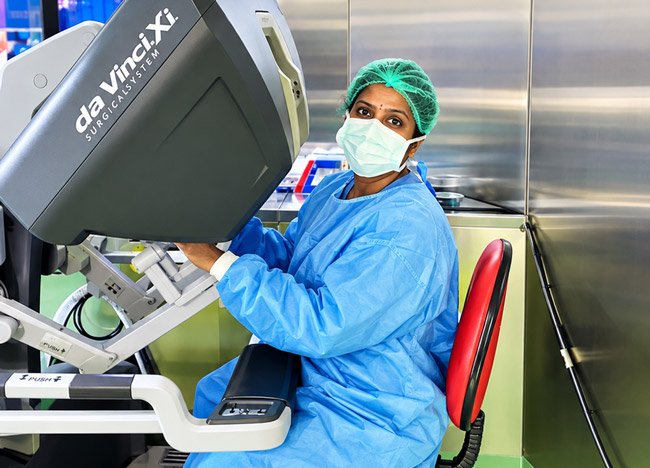
The third area is advanced surgical innovation. Robotics, fluorescence-guided surgery, three-dimensional imaging, image-guided navigation, and AI-assisted surgical technologies have the potential to enhance precision, improve safety, and support surgical training. However, technology should never replace sound surgical judgement. The success of any operation will continue to depend on appropriate patient selection, meticulous surgical technique, adherence to oncological principles, and the experience of the multidisciplinary team.
AI also has enormous potential in analysing large volumes of healthcare data. By integrating clinical information, imaging, pathology, genomics, and treatment outcomes, AI may help predict prognosis, estimate treatment response, identify women at increased risk of recurrence, and personalise surveillance strategies after treatment. It can also support population health by identifying women at greatest risk, improving participation in screening programmes, and helping healthcare systems allocate limited resources more effectively.
For India, these advances present both an opportunity and a responsibility. Our country has exceptional clinical expertise, a large and diverse patient population, and rapidly expanding digital health infrastructure. This places us in a unique position not only to adopt these technologies but also to contribute to their development. AI algorithms and precision medicine tools should be developed and validated using Indian and other diverse populations to minimise bias and ensure that they are accurate, equitable, and relevant to the patients we serve. I also hope to see greater investment in indigenous research, digital pathology, genomics, and AI-driven innovations that address healthcare challenges unique to our population.
At the same time, technological progress must be accompanied by thoughtful governance. As AI becomes increasingly integrated into clinical practice, important ethical and legal questions arise. If an AI-assisted recommendation contributes to a diagnostic or treatment error, where does responsibility lie—with the treating clinician, the hospital, the software developer, or the healthcare system? How should liability be allocated? How will professional indemnity and insurance frameworks evolve to accommodate AI-assisted healthcare? These are important grey areas that require robust regulatory oversight, transparent validation of AI systems, and clear medicolegal frameworks before widespread adoption. Until these questions are adequately addressed, AI should remain an aid to clinical decision-making rather than an autonomous authority.
Despite these remarkable technological advances, one principle will never change. Medicine is built on trust. AI can process enormous amounts of information and recognise patterns beyond human capability, but it cannot replace empathy, clinical judgement, ethical reasoning, or the nuanced conversations that occur between a doctor and a patient facing a life-changing diagnosis. The future of gynaecologic oncology will not be defined by artificial intelligence alone, but by how wisely we integrate human intelligence with technological innovation to deliver safer, more precise, equitable, and compassionate cancer care.
India is rapidly emerging as a preferred destination for international patients seeking cancer treatment. What strengths make India particularly attractive for women requiring gynaecologic oncology care?
India has emerged as an important destination for gynaecologic oncology not simply because treatment is cost-effective, but because many centres now provide comprehensive, evidence-based cancer care comparable to leading institutions around the world. International patients today seek expertise, safety, multidisciplinary care, advanced technology, and personalised treatment, and these are areas in which India has made remarkable progress.
One of India’s greatest strengths is its highly trained specialists. Gynaecologic oncology in India is a recognised superspecialty, and many specialists undergo a rigorous three-year MCh (Magister Chirurgiae) programme after completing postgraduate training in Obstetrics and Gynaecology. This structured training encompasses advanced oncologic surgery, principles of chemotherapy and radiation oncology, pathology, multidisciplinary cancer management, research methodology, and the completion of a thesis. Many specialists further enhance their expertise through national and international fellowships in robotic surgery, minimally invasive surgery, and other advanced oncologic techniques. This combination of structured superspecialty training, academic research, and continued professional development equips Indian gynaecologic oncologists to deliver comprehensive care across the entire spectrum of women’s cancers.
Another major strength is the extensive clinical experience gained in high-volume tertiary referral centres. Indian specialists routinely manage a broad range of common, uncommon, and highly complex gynaecologic cancers. This large clinical volume allows surgeons and multidisciplinary teams to refine their technical expertise, clinical judgement, and decision-making while adhering to internationally accepted evidence-based treatment protocols.
Modern gynaecologic oncology in India is delivered through multidisciplinary tumour boards, where gynaecologic oncologists work closely with medical oncologists, radiation oncologists, radiologists, pathologists, genetic counsellors, fertility specialists, palliative care physicians, and specialised nursing teams. This collaborative model ensures that every patient receives an individualised treatment plan based on the best available evidence.
India has also embraced many of the latest advances in cancer care. Advanced minimally invasive and robotic surgery, molecular diagnostics, genetic counselling and testing, precision oncology, targeted therapies, immunotherapy, and specialised procedures such as HIPEC and PIPAC are available in several centres for appropriately selected patients. These technologies allow us to personalise treatment while improving surgical recovery and maintaining excellent oncological outcomes.
At the same time, it is important to acknowledge the realities of healthcare economics. While our surgical expertise, multidisciplinary care, and technological capabilities are comparable with leading centres internationally, access to some of the newest targeted therapies and immunotherapies remains limited for many patients because of their high cost. As biosimilars, generic formulations, and more affordable innovations become available, we hope these treatments will become accessible to a much larger population. I also believe India has the talent, patient volume, and academic capability to contribute significantly to global research, clinical trials, and the development of innovative yet affordable therapies tailored to our population.
Another important advantage is value. India offers high-quality specialist cancer care at substantially lower costs than in many developed countries, often with shorter waiting times and comprehensive cancer care services. For many international patients, this means they can access timely, high-quality treatment without compromising standards of care.
Ultimately, patients do not travel across countries simply for technology or affordability. They travel for trust, expertise, and the confidence that every decision will be made in their best interests. I believe India’s greatest strength lies in its combination of rigorous specialist training, extensive clinical experience, advanced technology, and compassionate, patient-centred practice. As we continue to invest in research and innovation, India is well positioned not only to deliver world-class gynaecologic oncology care but also to contribute meaningfully to the future of women’s cancer care worldwide.
For international patients considering treatment in India, what factors should they evaluate when selecting a hospital and specialist for gynaecologic cancer care?
Choosing where to receive cancer treatment is one of the most important decisions a patient and her family will make. While modern technology and hospital infrastructure are important, I believe the expertise of the treating team should remain the primary consideration.
The first step is to identify a specialist with formal training and substantial experience in gynaecologic oncology. Patients should look for a gynaecologic oncologist who has dedicated superspecialty training—such as an MCh in Gynaecologic Oncology or an internationally recognised equivalent—and who routinely manages the full spectrum of gynaecologic cancers. Cancer surgery differs significantly from routine gynaecological surgery, and outcomes are closely linked to specialist training, surgical expertise, and experience.
The hospital itself should have a well-established multidisciplinary cancer programme. Optimal care requires close collaboration between gynaecologic oncologists, medical oncologists, radiation oncologists, radiologists, pathologists, anaesthesiologists, intensivists, genetic counsellors, specialised nursing teams, rehabilitation services, psycho-oncology, fertility specialists where appropriate, and palliative care experts. Regular multidisciplinary tumour board discussions ensure that every patient receives an individualised, evidence-based treatment plan.
Patients should also consider whether the centre has experience in managing their specific type of cancer. The needs of a woman with early-stage cervical cancer differ greatly from those of a patient with advanced ovarian cancer requiring extensive cytoreductive surgery or specialised procedures such as HIPEC. High-volume centres with experience in complex gynaecologic cancers are often better equipped to manage challenging situations and unexpected complications.
Equally important is communication. Patients should feel comfortable asking questions about their diagnosis, treatment options, expected outcomes, possible complications, fertility preservation where relevant, and quality of life after treatment. A good specialist welcomes informed discussions, explains the reasoning behind recommendations, and ensures that patients and their families are active partners in decision-making.
International patients should also consider practical aspects such as assistance with travel, accommodation, medical documentation, language support, coordination with doctors in their home country, and a clear follow-up plan after they return home. Cancer care does not end at hospital discharge. Effective communication between the treating team in India and healthcare providers in the patient’s home country helps ensure continuity of care, timely surveillance, and prompt management should any concerns arise later.
Finally, I would encourage patients not to choose a hospital based solely on advertising, social media presence, or cost. The right choice is one that combines specialist expertise, evidence-based treatment, transparent communication, patient safety, and compassionate support. Technology is valuable, but it is the experience, judgement, and commitment of the treating team that ultimately make the greatest difference to patient outcomes.
Finally, what is your vision for the future of women’s cancer care in India, and what message would you like to share with healthcare professionals, policymakers, patients, and women around the world?
The future of women’s cancer care is both exciting and promising. We are entering an era where prevention, precision medicine, molecular diagnostics, artificial intelligence, and advanced surgical technologies are transforming the way we understand and treat gynaecologic cancers. However, I believe that the greatest success of the next decade will not be measured by the complexity of the treatments we deliver, but by the number of cancers we prevent, detect early, and cure.
My vision is to see a fundamental shift from reactive cancer care to proactive women’s health. Prevention must become the cornerstone of our strategy. Universal HPV vaccination, organised cervical screening programmes, greater public awareness, healthier lifestyles, and timely access to specialist care have the potential to dramatically reduce the burden of cervical cancer and improve outcomes across all gynaecologic cancers. At the same time, greater awareness of hereditary cancer syndromes and wider adoption of genetic counselling and genetic testing will allow us to identify women and families at increased risk, enabling personalised surveillance, preventive strategies, and earlier intervention.
The future also lies in precision oncology. We are moving beyond treating cancers based solely on their site of origin towards understanding their molecular and genetic characteristics. Appropriate molecular profiling, biomarker testing and, in selected patients, comprehensive genomic testing will continue to improve outcomes while reducing unnecessary treatment and toxicity. Every woman deserves treatment that is tailored not only to her disease but also to her individual circumstances, values, and goals.
India has an extraordinary opportunity to become a global leader in women’s cancer care. We have outstanding clinicians, rigorous superspecialty training programmes, large and diverse patient populations, and growing expertise in robotics, minimally invasive surgery, molecular diagnostics, and multidisciplinary oncology. I hope to see greater investment in indigenous research, genomics, artificial intelligence, clinical trials, drug development, and affordable innovations so that India contributes not only to delivering world-class care but also to generating the evidence and technologies that shape the future of global oncology.
As we embrace innovation, we must also ensure that it remains ethical, equitable, and accessible. Advanced diagnostics, targeted therapies, immunotherapy, and AI should not become privileges available only to a few. Our responsibility is to make scientific progress meaningful for every woman, irrespective of where she lives or her financial circumstances. Technology should enhance clinical judgement, not replace it, and every innovation must ultimately serve the best interests of the patient.
To healthcare professionals, I would say that our greatest responsibility is to remain lifelong learners. Oncology continues to evolve at an extraordinary pace, and we must continually update our knowledge while never losing sight of the compassion that defines our profession. To policymakers, I would urge continued investment in prevention, organised screening programmes, HPV vaccination, cancer registries, specialist training, research, and equitable access to modern cancer care. To my colleagues in research, I hope we continue to generate high-quality evidence that addresses the needs of our own population while contributing to global scientific progress.
Most importantly, to women everywhere, I want to say this: know your body, do not ignore persistent symptoms, participate in recommended screening programmes, consider HPV vaccination where appropriate, and never hesitate to seek expert medical advice. A diagnosis of cancer is not the end of hope. With early diagnosis, evidence-based treatment, and continuing advances in medicine, more women than ever before are surviving and living well after cancer.
Ultimately, the future of gynaecologic oncology will not be defined by artificial intelligence, robotics, or the newest medicines alone. It will be defined by our ability to combine scientific excellence with compassion, prevention with innovation, and personalised medicine with equitable access. The greatest achievement of our generation will not be the number of cancers we treat, but the number of women whose lives are changed because cancer was prevented, detected earlier, or managed with dignity, precision, and hope.
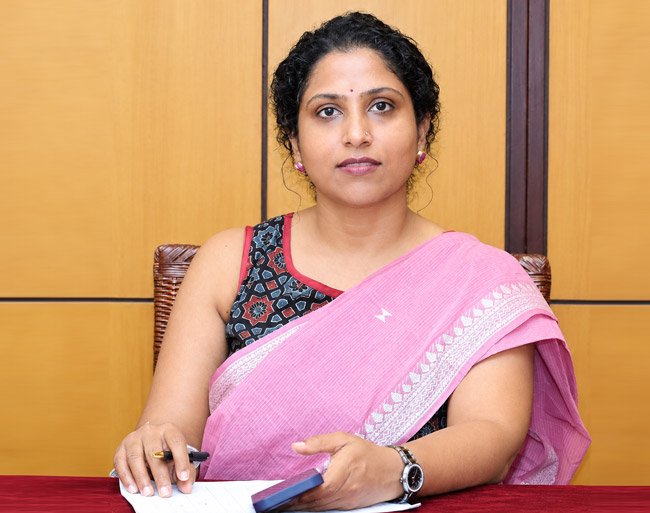
 Dr. Neethu P.K. Dr. Neethu P. K. is a Consultant and Associate Professor in the Department of Gynaecological Oncology at Amrita Institute of Medical Sciences, Kochi. She has over 15 years of experience in women’s healthcare, including more than six years of international clinical practice in the UAE. She holds MRCOG and FRCOG qualifications from the Royal College of Obstetricians and Gynaecologists (UK), along with an MCh in Gynaecological Oncology. Her clinical expertise encompasses the diagnosis and management of gynaecological cancers, including ovarian, cervical, uterine, vulvar and vaginal cancers. She specialises in robotic and minimally invasive surgery, cytoreductive surgery with HIPEC and PIPAC, advanced colposcopy, hysteroscopy, preventive oncology and cancer screening. She has also completed European-accredited training and credentialing in robotic surgery. An accomplished clinician, academic and researcher, Dr. Neethu mentors postgraduate trainees and contributes to oncological research and scientific publications. Her academic achievements include a distinction in the ESGO Examination in Gynaecological Oncology in 2023 and the Best in Session ePoster Presentation award at the RCOG World Congress 2022 for her research titled “Concordance of the Scoring Algorithms and Surgical Outcome in Epithelial Ovarian Cancer.” She also received the second prize in the Y-GOG free paper session at the East Zone Gynae Onco PG CME in 2019 and was named Best Outgoing Student in the MCh Gynaecological Oncology examination in 2021. Through surgical innovation, medical education and evidence-based practice, she remains committed to advancing the quality of care for women with gynaecological cancers. |