By Dr. Subashini. G, Consultant, Obstetrics and Gynecology, Dr Mehta’s Hospitals
Anaemia is often dismissed as simply low haemoglobin, but for millions of women it is a significant health problem that affects energy, concentration, work performance, pregnancy & overall quality of life. Worldwide, around 30% of women aged 15–49 years are affected by anaemia (WHO).
In India, the problem is particularly concerning. According NFHS-5 (2019–2021), 57% of women aged 15 to 49 years were anaemic, compared with 53.1% in NFHS-4.
Why are working women vulnerable?
Modern working women often manage multiple responsibilities like professional commitments, household duties and childcare. Long working hours, irregular meals, inadequate sleep and dependence on convenience foods can make it difficult to maintain a balanced diet.
For women of reproductive age, regular menstrual blood loss increases the risk of iron deficiency, particularly when periods are heavy or prolonged. Pregnancy and breastfeeding increase nutritional requirements, while closely spaced pregnancies and certain chronic illnesses can further contribute to anaemia (WHO).
Iron deficiency is an important cause of anaemia, but it is not the only one. Vitamin B12 and folate deficiencies, infections, chronic diseases, blood loss and inherited disorders such as thalassemia can also cause anaemia. Therefore, simply taking iron tablets without identifying the cause is not always appropriate.
The symptoms are often overlooked
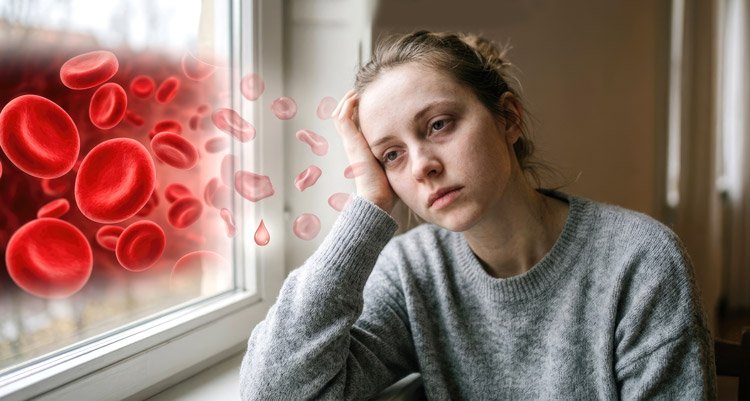
Anaemia can develop gradually, allowing women to adapt to symptoms without recognising them as a medical problem. Persistent tiredness, reduced stamina, dizziness, headache, breathlessness on exertion, palpitations and difficulty concentrating may be attributed to a hectic lifestyle or lack of sleep. Anaemia can reduce physical capacity and work performance, affecting both individual well-being and productivity.
Heavy periods should not be ignored
Women experiencing heavy menstrual bleeding should seek medical evaluation, as treating anaemia alone may not be sufficient.
The underlying cause of excessive menstrual bleeding must also be identified & treated.
Food is an important part of prevention
A balanced diet should include iron-rich foods such as green leafy vegetables, pulses, beans, meat, fish, eggs and iron-fortified foods where appropriate. Vitamin C-rich fruits & vegetables can improve iron absorption.
Tea and coffee taken close to iron-rich meals can reduce iron absorption, so spacing them away from meals may be helpful.
However diet alone may not correct established iron deficiency anaemia. A doctor may recommend iron supplementation after appropriate assessment.
A simple blood test can make a difference
A complete blood count (CBC), including haemoglobin measurement, can help diagnose anaemia. Depending on the clinical situation tests such as serum ferritin, vitamin B12, Folate & other investigations may be required to determine the cause.
Women planning pregnancy should ideally address anaemia and nutritional deficiencies before conceiving, rather than waiting until pregnancy.
The workplace can also be part of the solution
Employers can contribute to women’s health by encouraging regular meal breaks, providing healthy food options, supporting menstrual health, and creating workplace culture where women feel comfortable seeking medical care.
Health screening programmes that include haemoglobin assessment can help identify women who are anaemic.
A message to every working woman:
Being constantly exhausted is not a badge of being a successful working woman.
Women should pay attention to persistent fatigue, heavy menstrual bleeding, breathlessness, dizziness and reduced work capacity. Early diagnosis & appropriate treatment can restore energy, improve quality of life and protect health during future pregnancies.
ANAEMIA IS PREVENTABLE AND TREATABLE.
THE FIRST STEP IS TO STOP IGNORING THE SYMPTOMS.
“A healthy woman is not merely more productive at work, she is healthier for herself, her family & society.”
Dr. Subashini. G is a Consultant, Obstetrics and Gynecology at Dr Mehta’s Hospitals, Chennai.