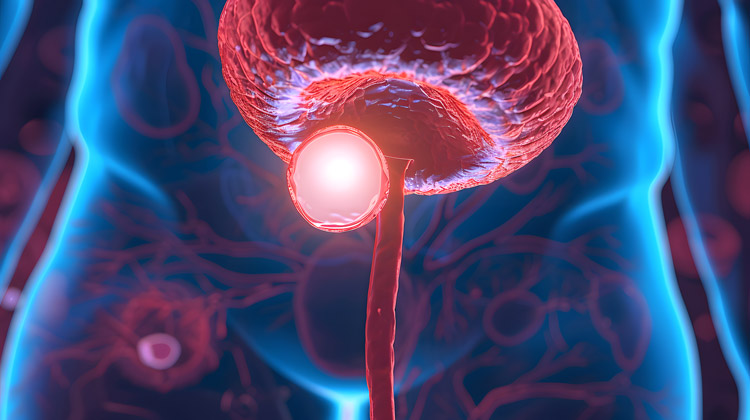
India has introduced its first regulatory authority-approved radioligand therapy for advanced prostate cancer, marking a major step in the country’s cancer treatment landscape. The launch also reinforces Swiss drugmaker Novartis’ commitment to India’s innovative medicines market despite its recent exit from its listed Indian subsidiary.
The newly launched Pluvicto (lutetium Lu-177 vipivotide tetraxetan) is intended for eligible patients with PSMA-positive metastatic prostate cancer. It offers a targeted treatment option for patients whose cancer has spread beyond the prostate, a stage at which many cases in India are diagnosed.
The launch reflects a broader shift in India’s pharmaceutical market, with multinational companies increasingly focusing on patented medicines, specialty therapies and precision oncology, while domestic firms expand in generics and biosimilars.
Pluvicto’s introduction also highlights India’s growing nuclear medicine capabilities. Novartis estimates the country now has over 250 nuclear medicine centres, supporting wider use of advanced therapies that require specialised facilities and trained personnel.
However, experts say access could remain limited in the near term.
“India is still at a very early stage in the adoption of radioligand therapies. One of the biggest challenges is infrastructure. These therapies require specialised nuclear medicine facilities, including isolation wards and strict radiation safety protocols,” said Parag Aland, head of nuclear medicine at Mumbai’s Saifee Hospital.
Pluvicto will initially be available at select hospitals and nuclear medicine centres and will be imported from Novartis facilities in Spain and Italy.
According to Novartis, India records nearly 250,000 prostate cancer cases annually, with more than half diagnosed at advanced stages. Prostate cancer is among the three most common cancers among urban men in the country.
Unlike chemotherapy, radioligand therapy targets cancer cells directly. Pluvicto combines the radioactive isotope Lu-177 with a molecule that binds to PSMA proteins on prostate cancer cells, delivering radiation to tumours while limiting damage to healthy tissue.
“The specific binding to cancer cells and low off-target delivery of the radionuclide offer immense benefits over chemotherapy or other systemic therapies, with side effects generally being lower and better tolerated, including among elderly patients who are most commonly affected by prostate cancer,” said Karuna Luthra, director of nuclear medicine at Sir HN Reliance Foundation Hospital.
Phase III studies showed that Pluvicto reduced the risk of disease progression or death and improved progression-free survival and quality-of-life outcomes in eligible patients, according to Novartis.
“While radioligand therapies were initially used in advanced, post-chemotherapy settings, emerging global studies are increasingly evaluating their use earlier in the course of prostate cancer treatment, reflecting growing confidence in the technology,” Luthra said.
Earlier this year, Novartis sold its majority stake in Novartis India in a $159 million deal but retained its innovative medicines, R&D and global operations in the country through Novartis Healthcare. The company has reiterated that India remains a key market for its advanced therapies portfolio.
The launch of Pluvicto represents a significant advancement in India’s precision oncology landscape, offering new hope for patients with advanced prostate cancer while highlighting the country’s growing readiness to adopt next-generation cancer treatments.