The Indian Medical Association (IMA) has urged the public not to self-medicate with antibiotics amid a rise in H1N1 influenza cases across India. The association warned that unnecessary use of medicines such as azithromycin and cefixime could worsen antimicrobial resistance (AMR).
The IMA also clarified that there is currently no evidence of a new mutation or strain responsible for the increase in infections.
Delhi has recorded more than 1,770 laboratory-confirmed H1N1 cases, while cases have also been reported in Maharashtra, Karnataka and West Bengal.
In a public health advisory issued on August 26, the IMA said, “Influenza A (H1N1) is a viral illness – Antibiotics do not kill viruses.”
The rise in infections comes during the monsoon season, when seasonal influenza activity can increase. However, the IMA said surveillance data from the Indian Council of Medical Research (ICMR) has not identified any novel genetic changes in the virus currently circulating in the country.
“Surveillance by the Indian Council of Medical Research (ICMR) confirms that the circulating virus remains seasonal influenza A (H1N1) without any novel genetic mutations,” the advisory stated.
According to the IMA, most H1N1 infections are mild and resolve on their own. It said there is “no cause for panic”, but encouraged people to remain alert to serious symptoms.
Antibiotics should not be used for flu symptoms
The IMA has specifically cautioned against taking antibiotics such as azithromycin, amoxicillin-clavulanate and cefixime without medical advice.
Such medicines may be required if a doctor identifies a secondary bacterial infection, but they do not treat the influenza virus itself. Unnecessary antibiotic use can also disturb beneficial bacteria in the body and contribute to the growing problem of AMR.
The advisory warned that “Indiscriminate antibiotic use during viral surges destroys protective microbiome flora and fuels lethal Antimicrobial Resistance (AMR).”
The association has also advised people not to take oseltamivir on their own. The antiviral medicine is prescription-only and should be used for appropriate patients under medical supervision.
“Do not self-administer antivirals,” the IMA said.
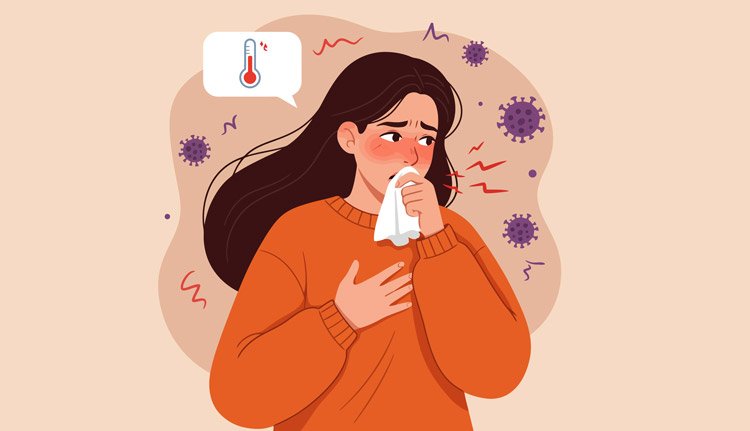
H1N1 infection can begin suddenly, often causing high fever, chills, dry cough, sore throat, body aches and tiredness. Some patients, particularly children, may also experience headache, nasal congestion or a runny nose, nausea, vomiting or diarrhoea.
Urgent medical attention is needed if symptoms become severe. Warning signs include breathing difficulty, rapid breathing, shortness of breath, chest pain or persistent pressure, bluish lips or fingers and coughing up blood.
Confusion, unusual drowsiness and seizures are also serious symptoms. Persistent vomiting or an inability to drink enough fluids should prompt medical evaluation.
For children, difficulty feeding, marked lethargy, grunting or severe chest retractions require immediate medical care.
To reduce transmission, the IMA has recommended regular handwashing and covering the nose and mouth while coughing or sneezing. Wearing a well-fitting mask in crowded or poorly ventilated areas can also help limit the spread of infection.
People with influenza symptoms should stay away from schools, workplaces and social gatherings until they have been free of fever for at least 24 hours without using fever-reducing medicines.
The association has also encouraged annual seasonal influenza vaccination, particularly for healthcare workers, pregnant women, older adults and people living with chronic health conditions.
With H1N1 infections increasing in several parts of India, the IMA is urging people to avoid panic as well as unnecessary medication. Proper medical evaluation, responsible antibiotic use, vaccination and basic infection-control measures remain important tools for managing the current seasonal influenza surge.